 RSS
RSS

Vision & Sensors
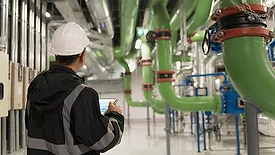
Vision & Sensors | Vision
Navigating the Challenges of In-line AI Vision Systems
Learn more from Eigen Innovations …
Read More
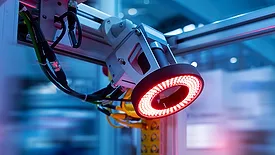
Vision & Sensors | Lighting
How to Evaluate Machine Vision Lighting for High-Speed Inspections
As inspection speeds continue to get faster, it is important to remember that lighting principles remain unchanged.
Read More

Robotics
Future-Proofing the Manufacturing Workforce: The Role of Industry in Education
Here are four factors that I believe we as an industry need to closely study, honestly evaluate our contributions to, and commit to work towards—today.
Read More
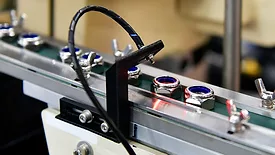
Vision & Sensors | Vision
Seeing What Isn’t There: How Synthetic Data Is Re-wiring Machine Vision for Quality
Synthetic data flips the script on machine vision.
Read More
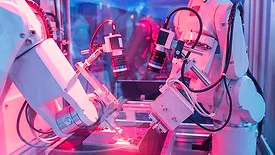
Machine Vision
Machine Vision Gets Smarter
Several emerging technologies promise to further change machine vision capabilities over the next three to five years.
Read More

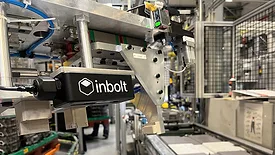
Vision & Sensors | Vision
How Vision-Enabled Robotics Are Redefining Factory Quality
From blind robotics automation to intelligent perception. We are witnessing a new era where robots not only act but also see, analyze, and improve.
Read More

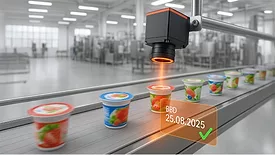
Vision & Sensors | Vision
Five Ways Advanced Imaging is Improving Quality
The importance of modern quality control
Read More
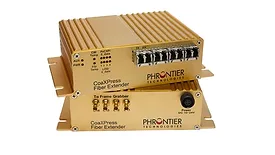
Vision & Sensors | Machine Vision
The Perfect Long-Distance Relationship: CoaXPress over Fiber Optic Cables
It’s a rapidly evolving field with the latest advancements arriving in the form of CoaXPress over Fiber.
Read More
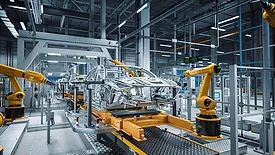
Vision & Sensors | Trends
Intelligent Automation: A Recipe for Enhancing Quality, Productivity, and Efficiency
Let’s take a closer look at just a few specific technologies currently shaping the future of the global manufacturing industry.
Read More