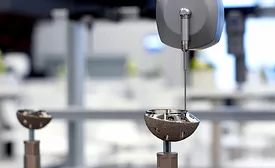
Medical devices require stringent quality and inspection methods.
March 1, 2020
The medical industry stands out from other aspects of manufacturing. The inspection rates are often higher, quality is paramount, and the products could be implanted into the human body.
Wilbur and Orville Wright began experimenting with the idea of flight in 1899, and their first aircraft famously took flight in 1903. “It was the Wrights' genius and vision to see that humans would have to fly their machines, that the problems of flight could not be solved from the ground,” according to the National Park Service.
More companies than ever are downloading decisions to calibration laboratories causing perfectly acceptable gages and instruments to be ‘failed’ by them. How could such a thing happen?
When the subject of quality is discussed it’s a safe bet that many would suggest it needs to improve. Additionally, many consider that senior management is most responsible for that improvement.
Some of the data I’ve noted from the AMTMA studies make it very clear that measurement disputes will continue. When the range of readings is close to or exceeds the tolerances of the gages being calibrated, it is a certainty. Further problems will occur due to unrealistic expectations by all the parties involved in a dispute.
This column may not be popular, and it may put some readers on the defensive. The focus isn’t entirely on America as it’s a global issue, but it certainly seems rampant today.
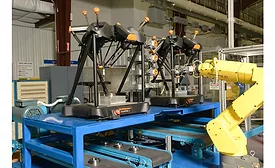
The fundamental goal of automation is to reduce reliance on manpower. Whether for traditional manufacturing or additive manufacturing, it is important to understand the capabilities of supporting post-process manufacturing and metrology for validating that process.
When you look at how far gages have come in just the last 20 years, you might wonder what, if any, types of technological enhancements might be on the horizon.