
Sponsored Content
5 Ways to Use Simulation to Navigate Tariff Challenges and Uncertainty
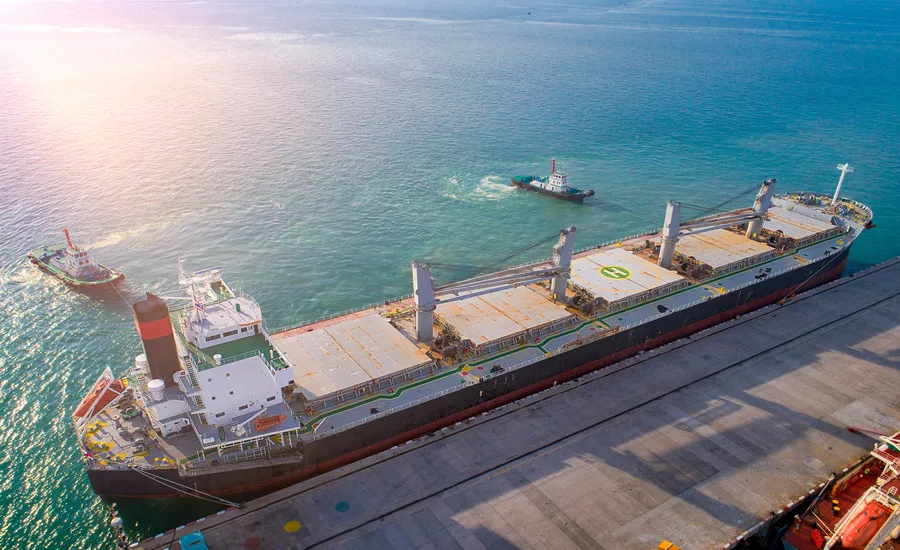
Image Source: ID_Anuphon / Adobe Stock
Geopolitical trade policies appear to be more fluid than ever. Recent shifts in U.S. trade policy have introduced significant uncertainty for manufacturers. Not only could potential tariffs reshape the global supply chain, but the rapid fluctuations in policy make it even more difficult to make decisions. Global manufacturers are under pressure to respond quickly, but traditional forecasting tools often fall short when conditions are complex and change rapidly. Simulation offers a powerful alternative.
Why Discrete Events Simulation?
Discrete events simulation allows you to create a dynamic, visual model of your operations—from sourcing to production to distribution—and test how different tariff scenarios will impact performance. Unlike static spreadsheets or linear models, simulation accounts for variability, timing, bottlenecks, and feedback loops. This helps companies make better, more resilient decisions under uncertainty.
Key Challenges and Simulation-Based Solutions
Challenge #1: Escalating Costs of Raw Materials and Components
Use Simulation to build a cost model that dynamically tracks the impact of different tariff levels on your bill of materials. Simulate different sourcing strategies—e.g., switching suppliers, changing order volumes—to evaluate total landed cost, margin erosion, and profit impact.
Challenge #2: Supply Chain Disruptions and Route Viability
Use Simulation to model current and proposed supply chain networks. Compare transit times, inventory requirements, service levels, and associated costs across different configurations. Identify bottlenecks and new risks introduced by supplier shifts.
Challenge #3: Increased Operational Pressure to Cut Costs
Use simulation to optimize production schedules, resource utilization, and workflows. Test lean manufacturing strategies and identify which internal process changes yield the highest savings with the lowest risk.
Challenge #4: Softening Demand Due to Higher Consumer Prices
Use simulation to model price elasticity and simulate how different pricing strategies affect demand, inventory, and capacity. Analyze the trade-offs between price, volume, and profitability to inform sales and marketing strategies.
Challenge #5: Internal Alignment and Decision Justification
Use visual, interactive models to communicate assumptions and risks. Help stakeholders understand the projected impacts of change, and test competing ideas in a risk-free environment.
Outmaneuvering Uncertainty with Simulation
Simulation doesn’t eliminate uncertainty, but it gives manufacturers a way to proactively explore options, prepare for volatility, and make smarter, more agile decisions. With tariff policy likely to remain fluid, simulation offers a competitive edge in navigating the complexity ahead
Interested in learning more? Get a complimentary demo of Simul8 today.
Looking for a reprint of this article?
From high-res PDFs to custom plaques, order your copy today!


