Image Capturing on the Cheap
By installing frame grabbers into high performance computer systems, machine vision systems have reduced the cost of inspection, measurement and quality control.
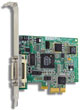
Frame grabbers are plug-in boards for a computer’s expansion slots that take camera image data and convert the data to a computer’s bus format. They have connectors for cables that attach to machine vision cameras. Frame grabbers optionally process the camera’s image data as it passes through to the computer’s expansion bus. After the image data is in the computer’s memory system, machine vision software controls the system’s processors to inspect for defects in a manufacturing system.
Frame grabbers take advantage of a computer’s expansion slots to provide the highest performance and lowest cost image-processing location for customized image-processing algorithms. Expansion slots are available in almost all computer systems as a way to get data in and out of a computer; therefore, the processor spends minimal effort getting data from the camera or cameras. By using the space, power and cooling that is provided in these expansion slots, the frame grabber is the lowest cost solution for performing the image processing required for color conversion, camera sensor defect correction and high-speed image processing.
Frame grabbers have evolved from capturing a single image from analog cameras that are now mostly used for security applications, to capturing image sequences into on-board memory. The next step of evolution was capturing images from digital cameras. This quickly evolved to capturing images from cameras that were not of the 640 by 480 pixel line resolution that was typical for analog cameras, to 1024 pixel by 1024 line cameras with 10 bits per pixel, where the analog cameras were mostly digitized to 8 bits. The next step was to capture images from line scan cameras and all the resolutions that were created by each camera sensor that followed. Personal computer bus standards evolved from the IBM PC 8 bit bus, to the 16 bit IBM AT bus, and on to the PCI 32 and 64 bit buses.
The recent introduction of the PCI Express computer bus has provided for expansion slots with data transfers up to 8,000 megabytes per second. Intel and other processor manufacturers have created relatively low-cost, multiple-processor systems that provide billions of operations per second. By installing frame grabbers into these high-performance computer systems, machine vision systems have reduced the cost of inspection, measurement and quality control.

When it is required to connect multiple cameras or to connect cameras that operate at higher speeds than the low-cost protocols provide, a frame grabber is the best solution.
A frame grabber also is the best method for getting multiple cameras to trigger at the same time. The fastest of the low-cost connection methods transfer less than 100 megabytes per second. Most high-speed machine vision cameras use the Camera Link protocol to transmit up to 700 megabytes of image data per second. Computer expansion slots for PCI Express can transfer from 250 megabytes per second to 8,000 megabytes per second.
Other methods for transferring image data are being developed as image sensor sizes and speeds increase. Fiber optics, high-speed coaxial cable or specialized twisted pair cable drivers and equalizers are being used for high-speed image transfer. Frame grabbers typically are used to convert from the output of the receivers to the computer bus format.
High-speed image processing and image transfer is important as image sensors increase in spatial resolution, signal resolution (the number of colors or gray level per pixel), and the number of pixel output ports per sensor-all of which require faster image transfer data rates and faster image processing. One sensor manufacturer recently introduced a 485 frame per second sensor that is 1700 pixels by 1700 lines and produces 1.4 gigabytes of image data per second. The programmable logic devices used on frame grabbers are required to convert the image data format to the data format used by the PCI Express bus in a computer for image correction, processing or storage. These logic devices are cost effective and typically incorporate the PCI Express bus transceivers and logic required to communicate with the computer system. In addition, the logic devices can be reprogrammed to allow updates or to change the image processing algorithms programmed into the devices.

FPGAs also are likely to be found inside cameras converting the sensor output data to the format required for the transmission medium being used. FPGAs are widely used in the telecom environment as protocol converters and data transfer devices. Specialized FPGAs are available, which include cable drivers and receivers to communicate over the PCI Express bus. These capabilities make FPGAs cost-effective solutions for a frame grabber. A frame grabber can be constructed with practically no other integrated circuits except for the required voltage regulators to power the FPGA. FPGAs can also connect to computer memory circuits, which allow the frame grabber to store images, and to store correction tables for correcting images before transmitting them to the host computer memory. The FPGA can be configured for image processing to offload the host computer’s processors when required by the type of inspection being performed and the time in which it must be accomplished.
Newer developments will provide lower cost FPGAs and frame grabbers for high-speed applications as well as higher performance transmission protocols for moving the 12 to 50 megapixel images that the latest image sensors are providing. Stay tuned. V&S
Chuck Petersen is the vice president of Epix Inc. (Buffalo Grove, IL). For more information, call (847) 465-1818, e-mail [email protected] or visit www.epixinc.com.
- An FPGA is an integrated circuit with programmable logic gates, memory, transceivers and other electronic devices used to create a variety of electronic devices.
- An FPGA can be selected to meet the data transfer and processing required for the camera or cameras that need to be connected to the computer.
- FPGAs have evolved into the preferred general electronic solution when manufacturing volumes are less than for consumer applications.
Frame grabbers optionally process the camera’s image data as it passes through to the computer’s expansion bus. Source: Epix Inc.
Frame grabbers are plug-in boards for a computer’s expansion slots that take camera image data and convert the data to a computer’s bus format. They have connectors for cables that attach to machine vision cameras. Frame grabbers optionally process the camera’s image data as it passes through to the computer’s expansion bus. After the image data is in the computer’s memory system, machine vision software controls the system’s processors to inspect for defects in a manufacturing system.
Frame grabbers take advantage of a computer’s expansion slots to provide the highest performance and lowest cost image-processing location for customized image-processing algorithms. Expansion slots are available in almost all computer systems as a way to get data in and out of a computer; therefore, the processor spends minimal effort getting data from the camera or cameras. By using the space, power and cooling that is provided in these expansion slots, the frame grabber is the lowest cost solution for performing the image processing required for color conversion, camera sensor defect correction and high-speed image processing.
Frame grabbers have evolved from capturing a single image from analog cameras that are now mostly used for security applications, to capturing image sequences into on-board memory. The next step of evolution was capturing images from digital cameras. This quickly evolved to capturing images from cameras that were not of the 640 by 480 pixel line resolution that was typical for analog cameras, to 1024 pixel by 1024 line cameras with 10 bits per pixel, where the analog cameras were mostly digitized to 8 bits. The next step was to capture images from line scan cameras and all the resolutions that were created by each camera sensor that followed. Personal computer bus standards evolved from the IBM PC 8 bit bus, to the 16 bit IBM AT bus, and on to the PCI 32 and 64 bit buses.
The recent introduction of the PCI Express computer bus has provided for expansion slots with data transfers up to 8,000 megabytes per second. Intel and other processor manufacturers have created relatively low-cost, multiple-processor systems that provide billions of operations per second. By installing frame grabbers into these high-performance computer systems, machine vision systems have reduced the cost of inspection, measurement and quality control.
PCI Express processing units are used in a variety of machine vision applications. Source: NVIDIA
High Bandwidth Computer Connection
There are several low-cost ways to connect cameras to computers such as USB, FireWire or Ethernet. These methods are acceptable solutions for low data-rate machine vision applications where the required camera resolution is low, the distance is short, and the image storage and retransmit times are not significant-since a communication error can require that portions of an image be resent.When it is required to connect multiple cameras or to connect cameras that operate at higher speeds than the low-cost protocols provide, a frame grabber is the best solution.
A frame grabber also is the best method for getting multiple cameras to trigger at the same time. The fastest of the low-cost connection methods transfer less than 100 megabytes per second. Most high-speed machine vision cameras use the Camera Link protocol to transmit up to 700 megabytes of image data per second. Computer expansion slots for PCI Express can transfer from 250 megabytes per second to 8,000 megabytes per second.
Other methods for transferring image data are being developed as image sensor sizes and speeds increase. Fiber optics, high-speed coaxial cable or specialized twisted pair cable drivers and equalizers are being used for high-speed image transfer. Frame grabbers typically are used to convert from the output of the receivers to the computer bus format.
High-speed image processing and image transfer is important as image sensors increase in spatial resolution, signal resolution (the number of colors or gray level per pixel), and the number of pixel output ports per sensor-all of which require faster image transfer data rates and faster image processing. One sensor manufacturer recently introduced a 485 frame per second sensor that is 1700 pixels by 1700 lines and produces 1.4 gigabytes of image data per second. The programmable logic devices used on frame grabbers are required to convert the image data format to the data format used by the PCI Express bus in a computer for image correction, processing or storage. These logic devices are cost effective and typically incorporate the PCI Express bus transceivers and logic required to communicate with the computer system. In addition, the logic devices can be reprogrammed to allow updates or to change the image processing algorithms programmed into the devices.
Analog frame grabbers house memory for image storage. Source: Epix Inc.
Programmable Logic Devices
Frame grabbers are usually constructed with a programmable logic device called an FPGA, or field programmable gate array. An FPGA is an integrated circuit with programmable logic gates, memory, transceivers and other electronic devices used to create a variety of electronic devices. An FPGA can be selected to meet the data transfer and processing required for the camera or cameras that need to be connected to the computer. FPGAs have evolved into the preferred general electronic solution when manufacturing volumes are less than for consumer applications, which is typical for most machine vision applications.FPGAs also are likely to be found inside cameras converting the sensor output data to the format required for the transmission medium being used. FPGAs are widely used in the telecom environment as protocol converters and data transfer devices. Specialized FPGAs are available, which include cable drivers and receivers to communicate over the PCI Express bus. These capabilities make FPGAs cost-effective solutions for a frame grabber. A frame grabber can be constructed with practically no other integrated circuits except for the required voltage regulators to power the FPGA. FPGAs can also connect to computer memory circuits, which allow the frame grabber to store images, and to store correction tables for correcting images before transmitting them to the host computer memory. The FPGA can be configured for image processing to offload the host computer’s processors when required by the type of inspection being performed and the time in which it must be accomplished.
Newer developments will provide lower cost FPGAs and frame grabbers for high-speed applications as well as higher performance transmission protocols for moving the 12 to 50 megapixel images that the latest image sensors are providing. Stay tuned. V&S
Chuck Petersen is the vice president of Epix Inc. (Buffalo Grove, IL). For more information, call (847) 465-1818, e-mail [email protected] or visit www.epixinc.com.
Tech Tips
- Frame grabbers are usually constructed with a programmable logic device called a field programmable gate array (FPGA).- An FPGA is an integrated circuit with programmable logic gates, memory, transceivers and other electronic devices used to create a variety of electronic devices.
- An FPGA can be selected to meet the data transfer and processing required for the camera or cameras that need to be connected to the computer.
- FPGAs have evolved into the preferred general electronic solution when manufacturing volumes are less than for consumer applications.
Looking for a reprint of this article?
From high-res PDFs to custom plaques, order your copy today!