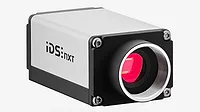
Vision & Sensors - Smart Cameras
Trends in Vision: Application-specific Integrated Solution Blocks Improve Quality
Over the past several years, there have been some common threads among many of the companies that develop vision sensors and cameras. While vision systems have long had the ability to inspect, identify and guide parts to improve quality and productivity in a wide range of manufacturing processes, now the trend is to develop application-specific solutions. These application-specific solutions or “solution blocks” are not only designed to reduce the overall cost of solutions, but also to make the products and systems easier to use and for end users to implement.
Solutions blocks make the use of vision-based solutions more accessible without having a vision expert on staff at each user plant. Making the products easier to use has been widely successful across the entire industry. With the increased development in the vision sensor segment and easier-to-use software for both smart cameras and PC-based systems, this goal has helped many end users successfully implement vision products for a range of applications. The next logical step is to make systems easier and more cost efficient to implement just like companies have done on the component level.
New Solutions on the Block
The goal of reducing costs for overall systems is something that has been lagging primarily due to the fact that systems are rarely the same from one customer to the next. So to help reduce the amount of integration time, and thus reduce the cost of the solution, some manufacturers have begun to offer highly integrated solution blocks. These blocks include both hardware and software components configured to create simple repeatable system that bring consistent quality to the end user.
Two recent solution block introductions are designed to integrate into vision-guided robotics applications. The goal of each of the systems is to solve the vision portion of the application and allow the system integrator to concentrate on the robotic portion.
Robotic Applications Made Easy
One of systems includes a smart camera performing both 2-D and 3-D analysis with imbedded, proprietary software. The first system solution, the PLR, is for robot guidance in part-picking applications. The system can be used in applications like de-racking, de-palletizing and handling. The camera measures the 3-D-pose of the part (X, Y, Z, roll, pitch and yaw). It is an integrated, calibrated and pre-configured device that is ready to be mounted in the robot gripper and connected to the robot controller. The 2-D camera can capture a 3-D image using state-of-the-art 2-D imaging with 3-D cross triangulation to create a unique solution that ensures reliable operation in varying environments. The combination of using 2-D and 3-D images helps to increase the repeatability of the system, increasing the overall consistency and quality of the data.
The PLR vision system was also designed for robotized de-racking of stamped body parts. It is a stand-alone camera system that includes localization software and tools. It makes integration with the robot as easy as using a vision sensor. The simple to use web-based interface of this solution makes the interaction with this sophisticated system seem comfortable for all levels of users.
The integrated web server user interface and field-proven integration tools support smooth integration into production. This system enables new parts to be easily introduced into existing work cells and short part changeover times. Hardware and software are already preset for the application. It is an ideal solution for cost-efficient robot handling of body parts stored in racks.
Random Bin Picking Simplified
The second recently developed solution block has been designed around an application that has proven difficult over the years, random bin-picking.
This solution is designed for precise localization of randomly orientated parts in bins and boxes. Blanks, casted or forged metal parts are easily located and loaded in various automotive applications. It enables the easy introduction of new parts into existing work cells and short part changeover time by using CAD-based 3-D shape matching part localization software. The system, called the PLB, consists of a 3-D camera, part localization software and tools for integration and communication. The system’s advanced 3-D camera ensures superior image quality and provides high immunity to ambient light. Field-proven tools and functions for calibration, communication with a robot and PLC, as well as checking for free gripping position, make it easier to integrate the system into production. The hardware and software are already integrated and pre-set for the application.
This solution block is ideal for many bin picking applications and allows the integrator to work on the functions they are more comfortable with such as gripper design and robotic path guidance. Using the software, software the user need only load the CAD file for both the gripper and object being picked. Once those items are loaded into the system the user identifies the acceptable gripping locations on the object so the software can give the pick location using the data from the 3-D and intensity based images provided by the 3-D camera.
The 3-D data provided by this system is based on a scanning 3-D camera system. This camera uses laser triangulation but does not need the object motion like other triangulation imagers. This is accomplished by the use of a sweeping laser plane that is constantly monitored by an encoder and providing updated calibration tables for each laser position. This relatively complicated calculation—all done within the PLB system—is hidden from the user and thus makes the solution more about solving the application rather than about the camera calibration and image manipulation. The solution focuses on getting the parts out of the bin quickly and precisely to increase quality and throughput of the system.
Not requiring the robot to move the camera over the bin increases the availability of the robot for the rest of the application. Increasing the availability of the robot allows for a higher rate of production and overall quality.
Less Time for Processing—More Time for Quality
This type of system is intended to provide end users and integrators with a baseline of functionality that can be built upon for larger projects and solutions. Also, by removing a lot of the vision processing from the development cycle there are more potential customers that can use the system directly. In the past, there were only a few highly skilled and specialized people who could do both the vision and robotic side of such applications. These solution blocks are intended to help make these solutions more consistent in quality and also accessible to more markets.
This seems to be just the beginning for this level of integration provided by companies that that traditionally only provided cameras and software. The combination of these components into system blocks not only reduces the time needed to take applications to completion, it also reduces the cost and improves the quality of each system. What are possible future solution blocks? How about a dynamic dimensioning and trending system or a guided vehicle that picks up objects that are not in a predefined position? The options are endless and creating solution blocks to increase the quality of systems seems like trend that will continue for some time.
|
TECH TIPS
|
Looking for a reprint of this article?
From high-res PDFs to custom plaques, order your copy today!