Articles Tagged with ''medical devices''


A Relentless Pursuit of Excellence
Meet the 2025 Rookie of the Year: Attrayee Chakraborty
Attrayee Chakraborty is a quality professional in the medical field, with a biotechnology background and expertise in AI.
Read More

Medical Q&A
Quality Management and Regulatory Compliance in Pharmaceutical Manufacturing
Kalpita Mehta, quality leader and combination product and medical device expert, discusses medical devices and quality engineering.
Read More
Medical
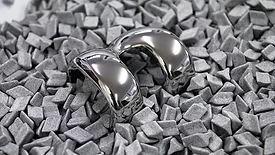
Industrial Finishing of Medical Parts and Components: Advances in Technology and Methods
A key consideration for medical device OEMs is the ability to scale up additive parts production without sacrificing quality.
Read More

Quality 101
Maximizing Medical Device Quality: A Guide to Implementing Operational Excellence
By establishing precise parameters for success from the outset and implementing proven strategies, manufacturers can proactively mitigate risks, streamline operations, and foster a culture of excellence.
Read More
.webp?height=168&t=1720482044&width=275 "July 2024 Minitab Infocenter Topic 2 Medical Device Reliability")

Test & Inspection
Just a Twist: Not Too Much, Not Too Little Turns Out Right
Here are a handful of example quality control processes that focus on the measurement of torque, with emphasis on sectors where testing is highly regulated, FDA 21CFR Part 11 being a prime consideration.
Read More
Medical
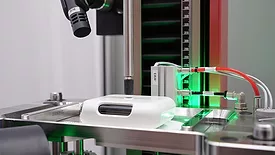
Evolving Needle-Based Drug Delivery Products & Testing Methods
When testing the emerging wearable devices, manufacturers are now confronted with various new and unique challenges.
Read More