System Integration Meets Lean Manufacturing
Boost productivity through the benefits of lean manufacturing and system integration.
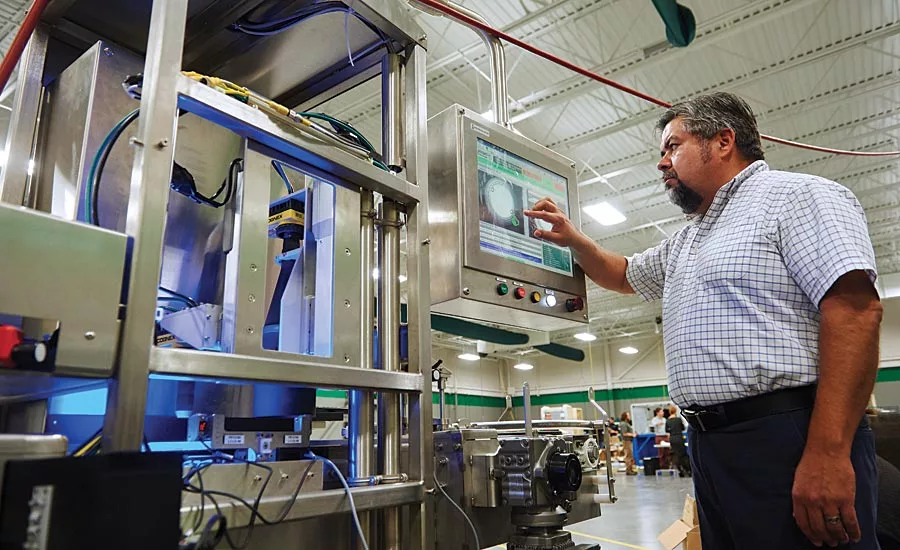
System integration not only complements lean manufacturing principles, but propels the manufacturer towards continuous improvement for the benefit of the company as a whole and the main objective of minimizing waste. Source: Integro Technologies/Glenn Roberson
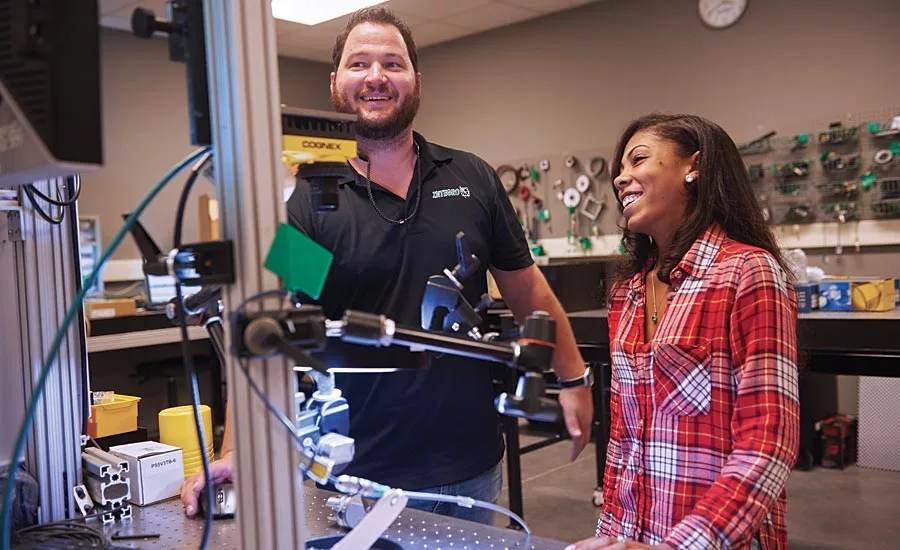
The combination and coexistence of lean manufacturing and machine vision system integration reduces waste and increases productivity. Source: Integro Technologies/Glenn Roberson
There has been great debate as to whether lean manufacturing and system integration can coexist.
Lean manufacturing goals and system integration can work together to boost productivity on the manufacturing floor in a number of ways. In order for manufacturing companies to compete domestically and globally, flexible and integrated systems are critical. According to Jamie Flinchbaugh, a founder and partner of the Lean Learning Center (Novi, MI), “Manufacturers must look for flexible systems that are easily modified and that also improve the process, save time, and reduce errors.”
System integration not only complements lean manufacturing principles, but propels the manufacturer towards continuous improvement for the benefit of the company as a whole and the main objective of minimizing waste. That waste may include time, material, product inventory or additional personnel for a given process. The key value of machine vision and nondestructive evaluation (NDE) integration lies within the heart of lean manufacturing principles and implementation strategies.
Elimination of Waste
One of the most significant principles of lean manufacturing is the reduction and elimination of waste. Machine vision and other NDE methods are green technologies that eliminate the most critical waste for a manufacturer: defects. It is one of the easiest wastes to identify. Defects are a high risk potential for any company, particularly if they end up in the hands of your customer. This type of waste will not only decrease production, lead to rework, salvage, and scrap, it harms a company’s reputation and leads to a substantial loss in revenue.
Flinchbaugh states that by using system integration, “We prevent quality defects from occurring in the first place, or once they do, stop them from continuing.”
One aspect of system integration that is highly valued in lean manufacturing is the use of machine vision technology.
It is important that defective product or defective raw materials be removed prior to adding value to a particular component. When applied correctly, machine vision system integration that incorporates lean manufacturing principles will not only eliminate the defective component, but also the additional cost of transporting it through additive processes. If defective material can be detected early on and throughout production, the material can be recycled, removed from raw material inventory, returned to the supplier, and energy use or consumption can be optimized. This, in turn, saves the manufacturer money by eliminating scrap due to inferior or defective raw material and also reduces the company’s exposure to recalls and potential liability issues.
According to George Fabel, Ph.D., in his article “Machine Vision Systems Looking Better All the Time,” machine vision is most successful in the controlled environment of the factory floor, “offering some important advantages over human vision in terms of cost, speed, precision and physical demands. Systems can: determine location or position of an object, measure dimensions within thousandths of an inch accuracy, count items such as pills in a bottle or cells in a petri dish, identify or recognize an object, inspect objects and identify flaws, and verify that an object’s quality meets standards.”
Respect for People
Respect for people, one of the principles of lean manufacturing, when addressed and implemented properly by management, provides greater job security for all team members long term. Lean principles consolidate tasks or responsibilities to individuals through automation or process modifications. The gain of influence and engagement by all team members can also dramatically impact retention rates which is important to lean manufacturing production processes. Lean manufacturing cannot survive with a temporary or transient workforce and requires investment in and by all team members.
There is a misconception in the automation industry that lean principles and machine vision technology intend to replace the worker. This is a fallacy. Although machine vision systems will be more efficient, a human worker with the willingness to succeed is more easily adaptable. Updated and lean integrated systems take into account the worker and typically will add responsibility to their role. Workers with a sense of influence and responsibility will generally add value. The introduction of a machine vision system integrated project must consider the role of the operator. With the respect of the worker taken into account, the integration of a machine vision system will be embraced and help to boost productivity.
The Challenge
Machine vision and NDE engineering development skill sets are unique and require industrial knowledge and wisdom, and typically do not exist in the full time engineering staff resources within a manufacturing facility. As the available engineering resource pool continues to be outpaced by market demand, system integration will become much more critical to the United States economy.
System integration firms by nature are collectives of concentrated engineering skills and knowledge in applications on very specific or more broad based skill sets (C#, SCADA, PLC, drives, robotics, vision, ultrasonic, eddy current, etc.). As technologies continue to advance at a higher rate year over year, generalization becomes more difficult and specialization almost a necessity in the system integration arena. A small to mid-sized “generalist” engineering staff within a manufacturing facility can be extremely flexible and accomplish great things while adhering to lean principles by minimizing staff and supplementing the engineering team with system integration resources with a more specialized skill set as required.
It is not easy to implement lean principles within a manufacturing facility where engineering staffs typically consist of generalists and “jacks of all trades.” Filling an engineering role within the manufacturing facility is extremely difficult as the roles usually require broad knowledge, a willingness to be flexible, respond to continual change and adaptation of skills as events occur and new processes are implemented. This is where systems integration and particularly the implementation of machine vision integrated systems can benefit manufacturing.
A Beneficial Solution
The combination and coexistence of lean manufacturing and machine vision system integration reduces waste and time, increases production and productivity, and improves quality and benefits the company overall. Workers gain influence, responsibility and knowledge. Through implementation of lean principles and the successful integration of machine vision inspection stations, manufacturing companies will not only raise quality and cut costs, but become more competitive and improve their brand.
Looking for a reprint of this article?
From high-res PDFs to custom plaques, order your copy today!