Quality Magazine logo
search
cart
facebook twitter linkedin youtube
  • Sign In
  • Create Account
  • Sign Out
  • My Account
Quality Magazine logo
  • NEWS
  • PRODUCTS
    • FEATURED PRODUCTS
    • SUBMIT YOUR PRODUCT
  • CHANNELS
    • AUTOMATION
    • MANAGEMENT
    • MEASUREMENT
    • NDT
    • QUALITY 101
    • SOFTWARE
    • TEST & INSPECTION
    • VISION & SENSORS
  • MARKETS
    • AEROSPACE
    • AUTOMOTIVE
    • ENERGY
    • GREEN MANUFACTURING
    • MEDICAL
  • MEDIA
    • A WORD ON QUALITY PUZZLE
    • EBOOK
    • PODCASTS
    • VIDEOS
    • WEBINARS
  • EVENTS
    • EVENT CALENDAR
    • IMTS
  • DIRECTORIES
    • BUYERS GUIDE >
      • Supplier Insights
    • NDT SOURCEBOOK
    • VISION & SENSORS
    • TAKE A TOUR
  • INFOCENTERS
    • Digital Quality Management Systems
    • NEXT GENERATION SPC & QUALITY ANALYTICS
  • AWARDS
    • ROOKIE OF THE YEAR
    • PLANT OF THE YEAR
    • PROFESSIONAL OF THE YEAR
  • MORE
    • Expert Columns
    • NEWSLETTERS
    • QUALITY STORE
    • INDUSTRY LINKS
    • SPONSOR INSIGHTS
  • EMAG
    • eMAGAZINE
    • ARCHIVES
    • CONTACT
    • ADVERTISE
  • SIGN UP!
Vision & Sensors

The Future of Machine Vision Interfaces

Explore the current state and near future of the most popular machine vision interfaces that do not need a frame grabber.
By Lumenera
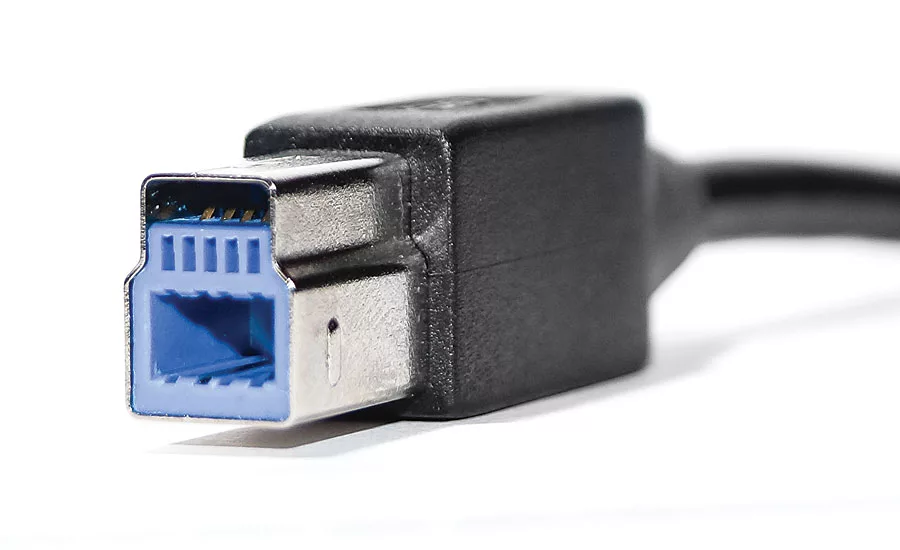
USB cable

USB3 Cable.  Source: Anil Öztas

The Future of Machine Vision Interfaces
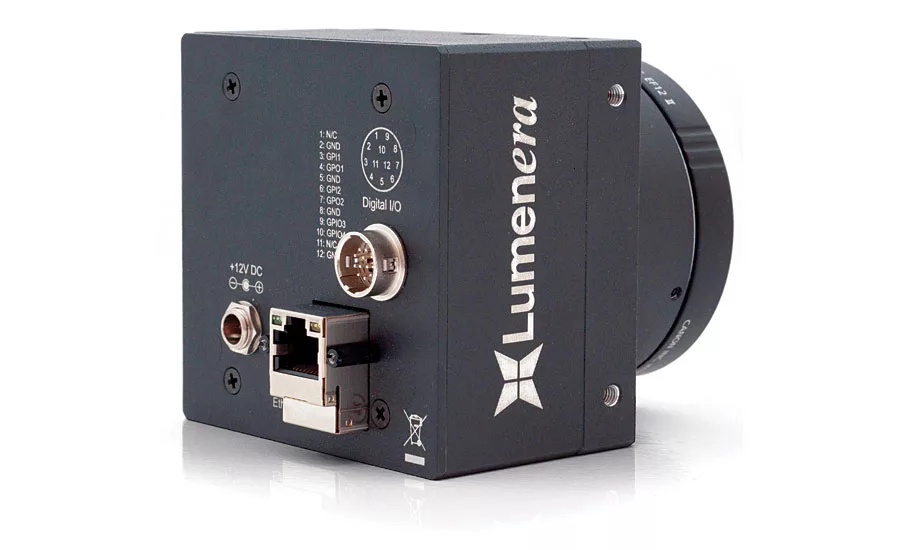
This is a high resolution GigE camera.  Source: Lumenera
This is a high resolution GigE camera. Source: Lumenera

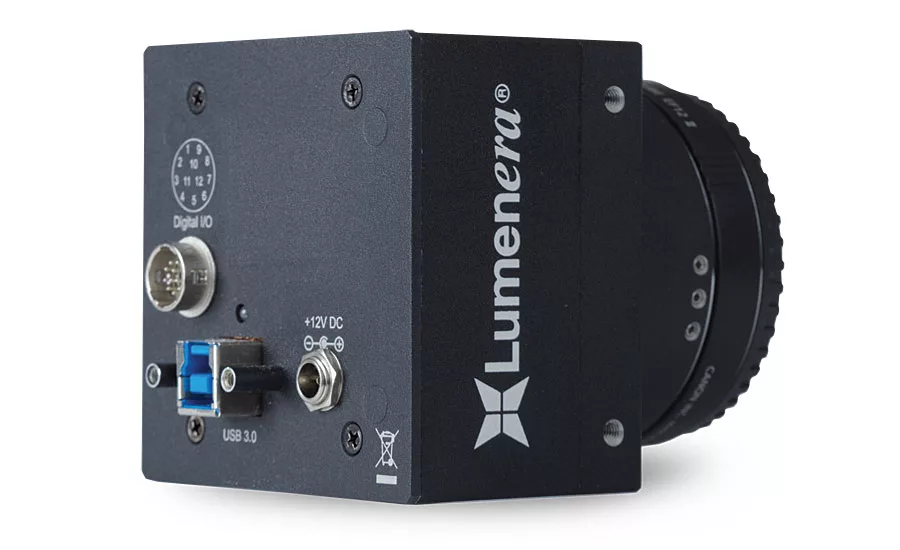
Here is a high performance USB 3.0 camera. Source: Lumenera
Here is a high performance USB 3.0 camera. Source: Lumenera

The Future of Machine Vision Interfaces

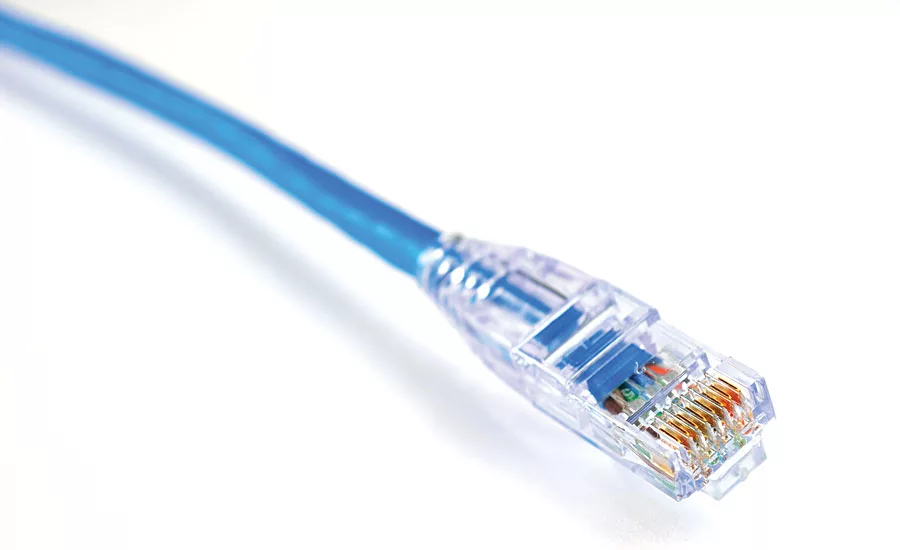
Ethernet Cable. Source: Raysonho @ Open Grid Scheduler/Grid Engine

USB cable
The Future of Machine Vision Interfaces
This is a high resolution GigE camera.  Source: Lumenera
Here is a high performance USB 3.0 camera. Source: Lumenera
The Future of Machine Vision Interfaces
May 1, 2017

With the continually increasing demand on framerates, bit depths, and resolution, interface standards must adapt to these changes with new ways to transfer data with increased speed and robustness. Modern interface standards such as GigE Vision and USB3 Vision support the transmission of streaming video frames while using commonly available interfaces and cables, and do not require the use of specialized equipment like frame grabbers (costly pieces of networking infrastructure that allow computers to capture frames from streaming video connections). The frame transfer protocol is built directly into the standard to minimize cost and implementation complexity.

With all of this in mind, this article explores the current state and near future of the most popular machine vision interfaces that do not need a frame grabber.

GigE Vision

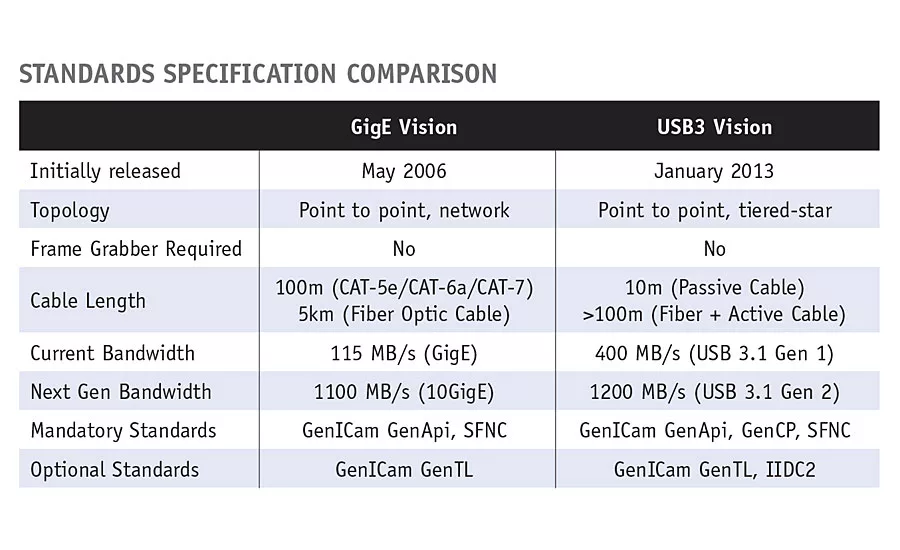
The GigE Vision interface standard has been around longer and is more widely adopted than USB3 Vision. In its current state, the interface is capable of throughput speeds of up to 115 MB/s over distances of up to 100 meters with a single cable. GigE Vision benefits from the backwards compatibility designed into the Ethernet specification, allowing it to run on newer 2.5GBase-T, 5GBase-T, and 10GBase-T infrastructure. Power delivery is also possible using the Power over Ethernet (PoE) specification on copper-based CAT5e/CAT-6a/CAT-7 cables. The specification enables each cable to deliver up to 25W of power to the connected camera.

For an increase in power and speed, two cables can be used in tandem, effectively doubling throughput and power delivery. This is achieved using link aggregation (LAG) which the GigE Vision standard fully supports, but stability with this type of connection is not easy to achieve. It also supports networking abilities native to Ethernet to allow for integration into existing networks and for use with Ethernet switches for varied topologies. Again, stability issues can arise across more complex networks due to the nature of the protocol.

Since all cameras in a vision system would typically be on the same network, GigE Vision allows for the broadcast of trigger commands to all cameras at the same time, allowing for high synchronicity between cameras. Furthermore, GigE Vision supports the transmission of multiple data formats within the network including, but not limited to: RAW (uncompressed), JPEG, JPEG 2000, and H.264.

The next steps for GigE Vision currently underway are the implementation of NBase-T and ten gigabit Ethernet. NBase-T allows the transmission of data at up to five times the rate of gigabit Ethernet without the need to upgrade cabling infrastructure already in place. NBase-T aims to serve as a transition between gigabit Ethernet and ten gigabit Ethernet as only minor modifications to an existing system will be required. Once a user is ready to upgrade the entire system to ten gigabit Ethernet, they will be able to do so in one of two ways.

Ten gigabit Ethernet can use either copper-based CAT-6a/CAT-7 cables spanning up to 100 meters or more costly single mode fiber optic cables that are able to reach distances of up to five kilometers. Both cabling types support data transmission speeds of up to 1,100 MB/s. However, the fiber optic cables cannot supply power to devices. This would require the devices to be powered at the far end.

USB3 Vision

The USB3 Vision standard was built on the experience and expertise gained from GigE Vision as well as other vision standards. Currently, the standard supports image throughput speeds of 400 MB/s at distances well over 100 meters. A combination of passive, active, and fiber optic extender cables allow USB3 Vision to reach distances of up to 125 meters. Power delivery is also possible when using passive and active cables, delivering 4.5W of power to the camera. However, cable length then becomes limited to roughly 10 meters and 25 meters respectively. It also consumes one third of the power to transmit data than previous USB 2.0 technology and is capable of full duplex transmission.

USB3 Vision benefits from Direct Memory Access (DMA), where the camera writes directly to the host computer’s RAM and bypasses the CPU. This is also known as zero-copy image transmission and plays an important factor in reducing the CPU load to less than one percent. The standard also benefits from the plug and play nature of USB and offers an easy, user friendly approach to system configuration.

Similar to GigE Vision, USB3 Vision also offers the transmission of multiple types of image formats. The USB specification also allows for locking connectors suitable for machine vision applications on both the host and device side of the cable. This ensures a solid and reliable connection between the camera and the computing device in an industrial setting and reduces the chance for an inadvertent disconnection to interrupt communication.

The standard is currently built on USB 3.0 (now known as USB 3.1 Gen 1) but development is underway to launch USB3 Vision on USB 3.1 Gen 2. The second generation brings more than twice the throughput of Gen 1 and is capable of reaching speeds of over 1,200 MB/s. This is accomplished by changing the data encoding scheme from 8b/10b to 128b/132b, thereby reducing overhead from 20% down to only 3%. Image throughput speeds are not yet known, but a safe bet is that they will be more than double what is currently offered by USB3 Vision.

Along with the second generation comes a new connector type known as “Type C.” While current Type A and Type B connectors will continue to work with USB 3.1 Gen 2, Type C connectors will bring enhanced power capabilities to USB3 Vision. The supported power delivery over this type of cable is rated to 100W and will support voltages of 5, 12, and 20 volts. It is also important to note that following the trend set by Type A and Type B connectors, Type C connectors are available for purchase with locking connectors.

Type C cables will also support the Thunderbolt 3 protocol and makes them incredibly versatile. They will likely become the standardized cable of the future to charge laptops, power and transmit data to peripherals such as 4k monitors and cameras, and interface with a wide range of consumer electronics including phones and tablets.

The Choice is Yours

USB3 Vision and GigE Vision both offer viable solutions to the machine vision industry without the need for costly and complex frame grabbers. They build on technologies that are native to computing platforms and familiar to users. Both standards are built with the Generic Interface for Cameras (GenICam) that facilitates integration into systems using the software standard.

When selecting a vision interface technology for an application that does not require the extremely high data transfer rates associated with large-resolution high-framerate cameras, GigE Vision and USB3 Vision are cost effective alternatives that offer excellent performance. They keep costs down by avoiding frame grabbers and using standard cables and networking equipment commercially available for a variety of industries.

KEYWORDS: GigE machine vision USB3 Vision

Share This Story

Looking for a reprint of this article?
From high-res PDFs to custom plaques, order your copy today!

Lumenera Corp. For more information, call (613) 736-4077, email [email protected] or visit www.lumenera.com. 

Recommended Content

JOIN TODAY
to unlock your recommendations.

Already have an account? Sign In

  • 2024 Quality Rookie of the Year Justin Wise 1440x750px banner with "Quality Rookie of the Year" logo inset

    Meet the 2024 Quality Rookie of the Year: Justin Wise

    Justin Wise is an exceptional individual who has been...
    Aerospace
    By: Michelle Bangert
  • Man with umbrella and coat stands outside while it rains at night looking at a building.

    Nondestructive Testing: Is there an ethics problem?

    I was a whistleblower who exposed fraudulent activities...
    NDT
    By: Dale Norwood
  • Unraveling Deflategate: Football stadium with closeup of football on field

    Unraveling the Tom Brady Deflategate

    The Deflategate scandal erupted following the 2014 AFC...
    Measurement
    By: Greg Cenker and Henry Zumbrun
Manage My Account
  • eMagazine Subscriptions
  • Newsletters
  • Online Registration
  • Subscription Customer Service
  • Manage My Preferences

More Videos

Sponsored Content

Sponsored Content is a special paid section where industry companies provide high quality, objective, non-commercial content around topics of interest to the Quality audience. All Sponsored Content is supplied by the advertising company and any opinions expressed in this article are those of the author and not necessarily reflect the views of Quality or its parent company, BNP Media. Interested in participating in our Sponsored Content section? Contact your local rep!

close
  • Key Takeaways for Quality Leaders
    Sponsored byComplianceQuest

    Key Takeaways for Quality Leaders from the 2026 Gartner Magic Quadrant™ for QMS

  • This image shows a person seated next to a Bobcat T66 compact track loader.
    Sponsored byPolyWorks by InnovMetric

    Supercharging Digital Gauging at Bobcat North America

  • Dorsey Calibration Lab photo by Tom LaBarbera Picture this Studios
    Sponsored byDorsey Metrology International

    Ensuring Product Quality in a Competitive Manufacturing Landscape

Popular Stories

This image shows a person seated next to a Bobcat T66 compact track loader.

Supercharging Digital Gauging at Bobcat North America

Dorsey Calibration Lab photo by Tom LaBarbera Picture this Studios

Ensuring Product Quality in a Competitive Manufacturing Landscape

a professional in the aviation field performing maintenance, repair, and overhaul (MRO) work

Manufacturing Retention: Strategies for Improving Company Culture, Engagement and Skill Development

2026 Quality Professional of the Year!

Events

June 22, 2026

Automate 2026

Automate is North America's largest robotics and automation event — and the best place to take your ideas from insight to impact.
 
Our show floor features the world’s leading automation solutions, from AI and robotics to motion control, vision systems, and more. Plus, our educational conference is second to none, led by the brightest minds in automation today.
 
Ready to transform the way you work? Take the next step at Automate.
July 14, 2026

Quality Leaders Forum: Better Communication, Better Quality Data

The Quality Leaders Forum is a quarterly, editor-moderated fireside chat series hosted by Quality Magazine, featuring candid conversations with senior manufacturing and operations executives shaping enterprise-level quality.

View All Submit An Event

Products

Lean Manufacturing and Service Fundamentals, Applications, and Case Studies

Lean Manufacturing and Service Fundamentals, Applications, and Case Studies

See More Products
Quality Podcast Channel Custom Content

Related Articles

  • Machine Vision: The Future of Machine Vision

    See More
  • These cameras provide excellent imaging from low to high light scenes

    The Future of Machine Vision Standards

    See More
  • embedded processor machine vision

    The Future of Machine Vision Imaging Systems

    See More

Related Products

See More Products
  • Machine Vision and Error Proofing DVD

  • ZEuCDwAAQBAJ.jpg

    Lean Six Sigma In The Age Of Artificial Intelligence: Harnessing The Power Of The Fourth Industrial Revolution

  • Building Lean Supply Chains with the Theory of Constraints

See More Products

Events

View AllSubmit An Event
  • September 10, 2025

    Charting a Course: Exploring the Future of Portable Metrology

    On Demand This webinar will cover the current landscape of portable metrology, discuss the origins and applications of the Structured Light Scanning (SLS), Handheld Scanners, and Portable Measuring Arms Technology. 
View AllSubmit An Event

Related Directories

  • Machine Vision Store

    Machine Vision Store has a laser-sharp focus on machine vision imaging. We deliver a select group of components - cameras, lenses, lights, industrial vision PC's - from leading manufacturers known for quality. Components we understand, support and stand behind. Components and consulting services that will power your success.
  • Phoenix Imaging Machine Vision

    Porosity Inspection of machined metal components using 3D image acquisition. High resolution laser-based scanning optimizes Porosity detection. Phoenix-Middle-Man™ software package provides image storage and database, SQL query and visual display of defects. High-Speed Surface Inspection Systems from Keyence, Omron and Phoenix Imaging for the tough ICE, BEV & Battery projects.
×

Stay in the know with Quality’s comprehensive coverage of
the manufacturing and metrology industries.

Newsletters | Website | eMagazine

JOIN TODAY!
  • RESOURCES
    • Advertise
    • Contact Us
    • Directories
    • Manufacturing Division
    • Store
    • Want More
  • SIGN UP TODAY
    • Create Account
    • eMagazine
    • Newsletters
    • Customer Service
    • Manage Preferences
  • SERVICES
    • Marketing Services
    • Market Research
    • Reprints
    • List Rental
    • Survey/Respondent Access
  • STAY CONNECTED
    • LinkedIn
    • Facebook
    • YouTube
    • X (Twitter)
  • PRIVACY
    • PRIVACY POLICY
    • TERMS & CONDITIONS
    • DO NOT SELL MY PERSONAL INFORMATION
    • PRIVACY REQUEST
    • ACCESSIBILITY

Copyright ©2026. All Rights Reserved BNP Media, Inc. and BNP Media II, LLC.

Design, CMS, Hosting & Web Development :: ePublishing