Articles Tagged with ''ultrasonics''
NDT
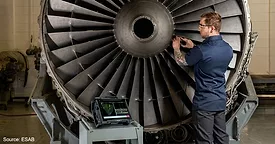
The True Cost of Late Detection: Why In-Process NDT Is Needed for Future Composite Manufacturing
By the time a defect is detected at the end of the manufacturing line, the full cost of producing that part has already been incurred.
Read More

NDT
Creativity Influences of Nondestructive Testing
Nondestructive testing by its very nature influences our culture.
Read More

NDT
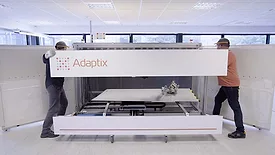
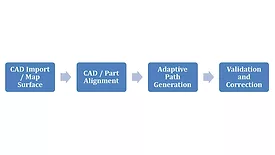
Adaptive Scanning Solution for Automated Ultrasonic Testing of Aircraft Parts
This improves data quality in complex areas and broadens the scope of automated NDT systems where reliable digital models are unavailable.
Read More

NDT
Nondestructive Testing: Navigating Workforce Challenges and Technological Transformation
For many years, NDT was considered a hidden gem.
Read More
NDT | Ultrasonics
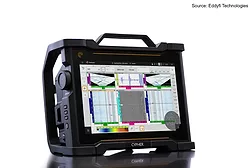
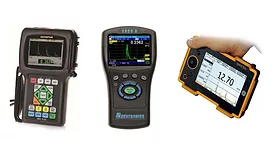
Thickness Gages in my Lifetime
Today’s ultrasonic thickness gages are more powerful and more versatile than at any other time in the history of NDT.
Read More

NDT | Aerospace
Advances in Automated NDT: Viable Inspection Solutions for Aerospace Applications
Advanced ultrasonic testing solutions must keep pace with these new challenges while maintaining the rigorous quality control standards that ensure aircraft safety.
Read More
NDT | Back2Basics
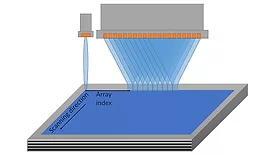
Enhancing Automated NDT: Leveraging Advanced 3D Phased Array Scanning and C-Scan Mapping Techniques for Aerospace Applications
These technologies enhance the accuracy, speed, and thoroughness of flaw detection in critical components, contributing to improved safety and reliability in aerospace operations.
Read More

NDT | NDT Trends
Trends in Nondestructive Testing (NDT)
If the supply of qualified personnel is inadequate to meet the needs of industry there will be greater efforts to automate and utilize artificial intelligence to perform and evaluate NDT.
Read More