


Measurement
Ensuring Product Quality in a Competitive Manufacturing Landscape
When it comes to calibration, consider these best practices.

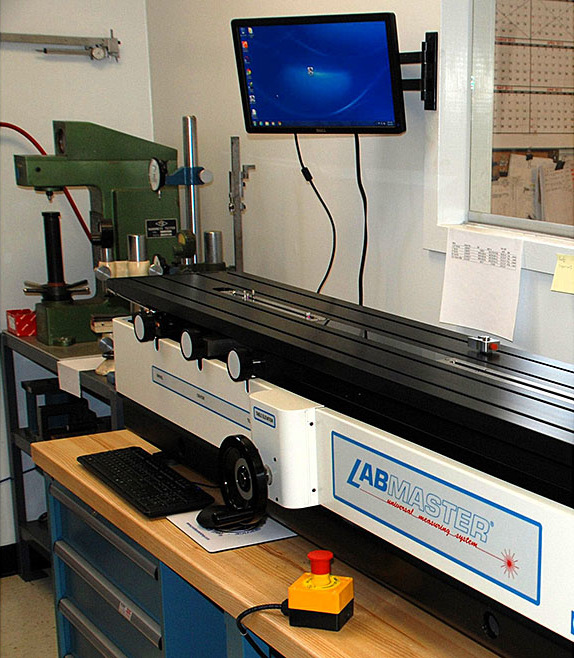
Figure 1: Dorsey Metrology International’s Calibration Laboratory where inspections and calibrations are performed in a climate-controlled environment.
In a highly competitive and constantly evolving manufacturing landscape, the quality of products is crucial. Quality departments must be actively involved in all aspects of the manufacturing process, from engineering to product packing and shipping to ensure the highest product quality. Achieving consistent quality and accuracy can be challenging without the right protocols in place.
The Significance of Tool Calibration in Quality Assurance
High precision metrology tool calibration is crucial in quality assurance due to its effectiveness in minimizing risks and cutting costs. Here are some key benefits:
- Reducing rejections
- Ensuring reliable equipment
- Prolonging the lifespan of tools
- Guaranteeing accuracy and consistency in results
- Eliminating measurement errors
- Maintaining uniformity across measured samples
- Offering real-time assessment of attributes or features during processes
- Preserving the integrity of the product or business
- Lowering risks and minimizing expenses
All these factors contribute to building a strong industry reputation and delivering quality equipment. A company’s ability to offer tools that are precise and error-free is essential for their overall success.
Steps for Effective Tool Calibration
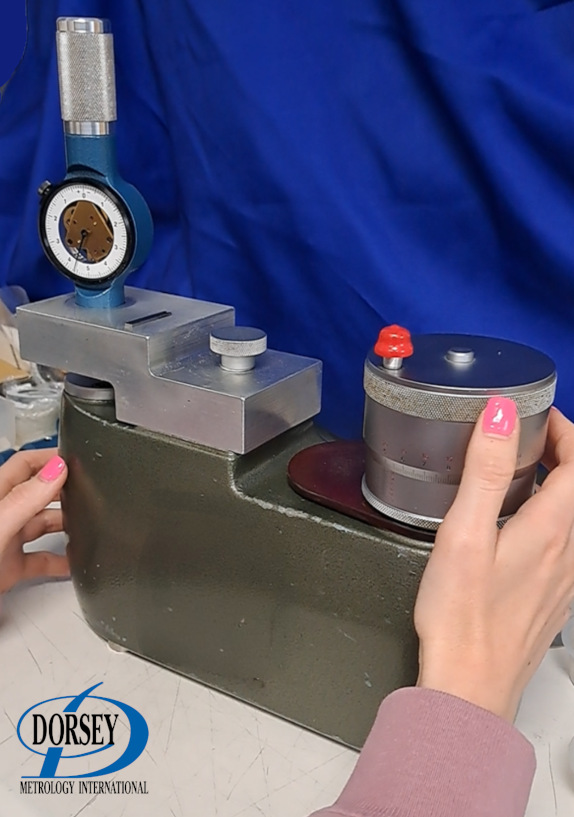
The initial step in effective tool calibration is establishing the correct testing environment to account for the thermal expansion of the materials. An independent testing system that regulates temperature and humidity is crucial for successful calibration.
Once the environment is set, conduct calibration tests multiple times and document the results to ensure accuracy. After several rounds of testing and recording, you may need to adjust the instrument or consider sending it to a calibration service if necessary. Be sure to test again and log results following any final adjustments.
What to Look for When Using a Calibration Service
If you decide to send your instrument to a calibration service, it is vital to select a company that is accredited. Accreditation signifies both the quality and competence of an organization based on international standards. It indicates that an authoritative body has recognized a Conformity Assessment Body (CAB) for meeting specified requirements and demonstrates its capability to perform tasks. Accreditation is the most effective means to ensure an organization’s proficiency in executing a specified function.
The calibration service company you choose must ensure industry standards are met, as well as national and/or international standards. Checking company reviews and researching overall reputation can assist in making sure you are selecting the best company for your needs. Here are key reminders when researching service providers:
- Accreditation by an authoritative body, which signifies quality and competence
- Conformity Assessment Body (CAB)
- Industry Standards - National and/or International
- Reviews / Reputation
Testing Accuracy Ratio (TAR):
This comparison examines a tool against a reference standard utilized for calibration. It assesses how well the accuracy of the device being calibrated, known as the Unit Under Test (UUT), corresponds with the accuracy of the calibration standard. Generally, a higher Test Accuracy Ratio (TAR) indicates a more reliable calibration process. Strive for a minimum TAR of 4:1, which means the standard should be four times more accurate than the tool.
How to Check a Gage for Quality
In Relation to Mechanical Movement Gages:
Pre-Calibration Inspection for 1-Dimensional Mechanical Movement Gages That Do Not Require an As Found Report:
- Conduct a thorough visual inspection using a magnified eye loupe (if necessary) to examine all critical components for wear or damage, particularly on parts that contact the surface of the part being measured.
- Clean the gage thoroughly using lint-free wipes and the recommended cleaning solution.
- Lightly test critical measuring surfaces with an ultrafine white stone to check for imperfections, dents, or burrs that may affect gaging accuracy.
- While the gage is positioned correctly, check the functionality of the mechanical movement by gently cycling through its full range and observing for any sluggishness, hang-ups, irregular force, or glitches that could impact motion.
- If no corrections are necessary, allow stabilization of both the gage and the reference standard in the appropriate environment (temperature & humidity).
- Once fully stabilized, proceed with the procedural calibration attempt.
Industry Best Practices: Calibration
Industry-wide best practices play a crucial role in upholding the highest standards of operation and functionality for a company’s success. Recognized as the most effective methods, they often encompass highly efficient techniques as well. When it comes to calibration, these best practices can be broken down into the following recommendations:
- Documented Calibration Schedule
- Utilize traceable standards (national and/or international)
- Maintain records of calibration activities
- Comply with Standard Operating Procedures
- Provide employee training
- Regularly review and update calibration procedures
- Conduct internal audits consistently, in addition to those from your accrediting body
Quality Assurance Software
We’ve established the importance of ensuring quality to provide the highest standard products and services while maintaining a competitive advantage. In addition to maintaining “best practices,” there are many types of software available that can aid in the efficiency of calibration and overall product quality. Scheduling, tracking, and overall documentation can be done easily in many software applications.
Quality Bottom Line
In an ever-changing environment where companies constantly need to remind their customers why they should patronize their business, remember that product quality is a major factor. Relationships and customer service are also critically important in forming a company’s image and reputation. Overall quality – whether it be of products or business relationships - are paramount to a company’s success, especially in an age where people have access to multitudes of information at their fingertips.
Ensuring that company protocols are established, regularly reviewed, and revised when needed is crucial for quality assurance. The importance of tool calibration in delivering high-quality products can distinguish a company from its competitors, ultimately leading to enhanced customer satisfaction and confidence, increased sales, and overall success.
Looking for a reprint of this article?
From high-res PDFs to custom plaques, order your copy today!


