NDT
The True Cost of Late Detection: Why In-Process NDT Is Needed for Future Composite Manufacturing
By the time a defect is detected at the end of the manufacturing line, the full cost of producing that part has already been incurred.
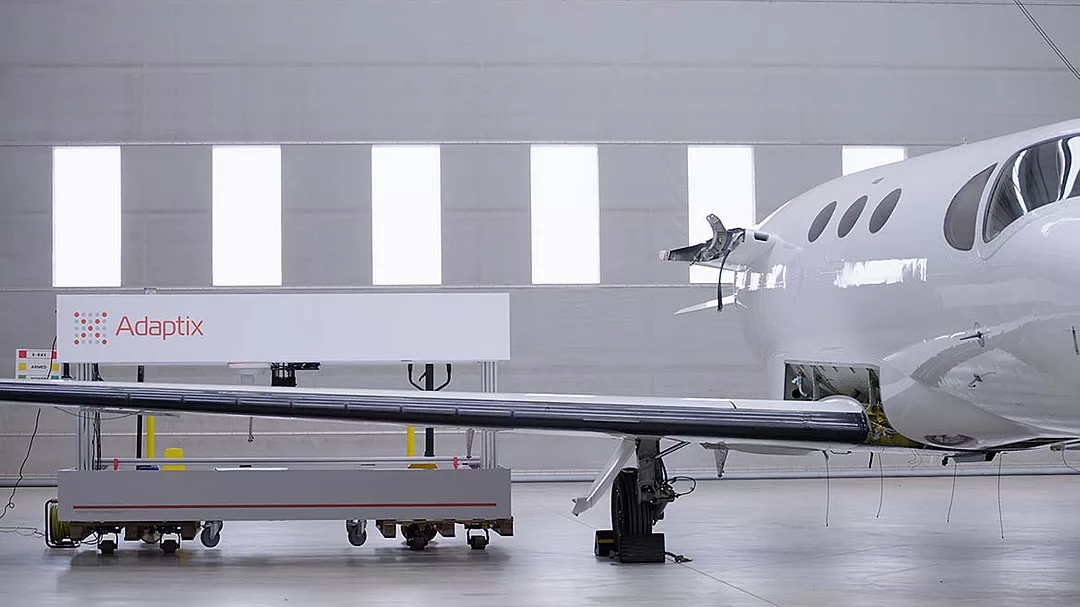
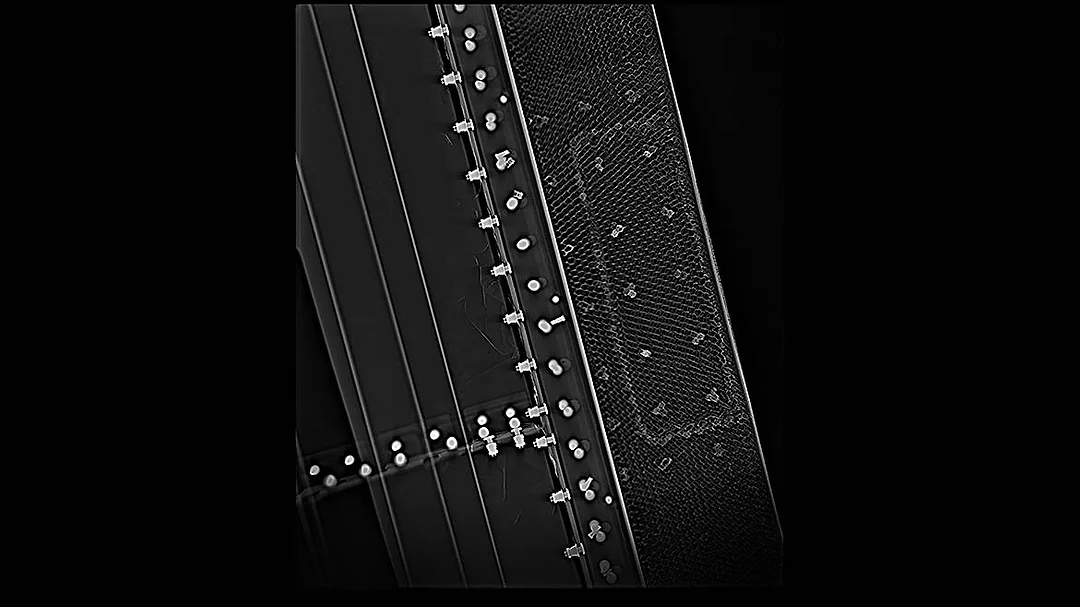
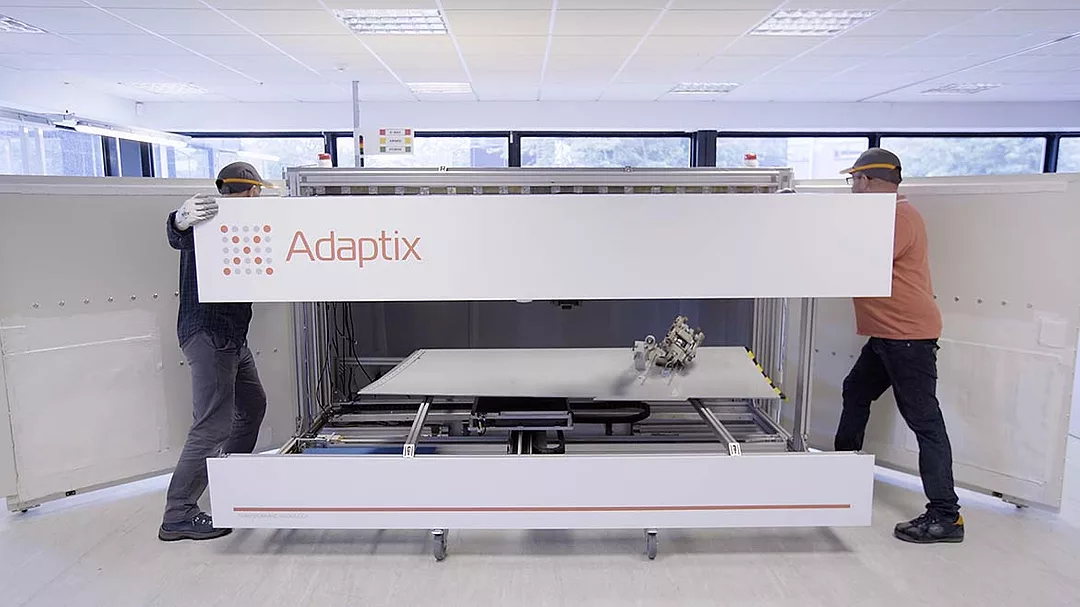
Across industries that depend on advanced composite components, the common feature has been that meaningful quality inspection happens at the end of the production process. But, by the time a defect is detected at the end of the manufacturing line, the full cost of producing that part has already been incurred. Energy incurred, materials used, labor and machine time invested have already been spent and, where defects are identified, what follows is often an expensive rework cycle or total scrapping of the part.
Where this may have worked when composite components were relatively small or few and far between, with components now growing in prominence, size and complexity across multiple industries, tolerance for high levels of waste is narrowing fast.
The economics of defect detection is not linear. While a flaw identified during lay-up might cost relatively little to address, the same defect found at final inspection can cost significantly more to resolve, if resolution is even possible.
And while the consequences may vary by sector, the underlying economics do not. In automotive production, for example, a defective structural composite part identified late in the build sequence would disrupt line flow and may lead to costly retooling. In renewable energy, a wind turbine blade found to contain internal delamination after curing could result in significant materials loss and a potential re-spin of the manufacturing process. In marine applications, structural composites that fail inspection after lamination may mean scrapping components that have taken days to build. Even in high-performance sports equipment, where carbon fiber frames, blades, and chassis components are produced in relatively smaller volumes, the loss of a finished part to a detectable flaw has an impact on margins.
Historically, putting inspection processes in place earlier in the manufacturing process has proven impractical due to limitations of existing imaging techniques within live production environments. For example, ultrasonic testing (UT) is widely used and effective at detecting delamination and inclusions, but contact-based methods typically need careful surface coupling and can be slow on large or geometrically complex parts; while phased array UT still demands skilled operators and significant scan times to complete. Thermography and shearography both offer rapid, noncontact coverage of large surface areas and are well suited to near-surface defect detection, but their sensitivity diminishes with depth, limiting effectiveness on thicker laminates. Acoustic emission monitoring can track damage propagation in real time but is better suited to structural health monitoring under load than to in-process manufacturing inspection; conventional X-ray CT (computational tomography) scanning delivers the most complete 3D characterization of internal defects, but the time needed to acquire and process a full tomographic dataset and infrastructure usually makes it impractical for in-process use.
The development of new imaging technologies means that constraint is now being challenged.
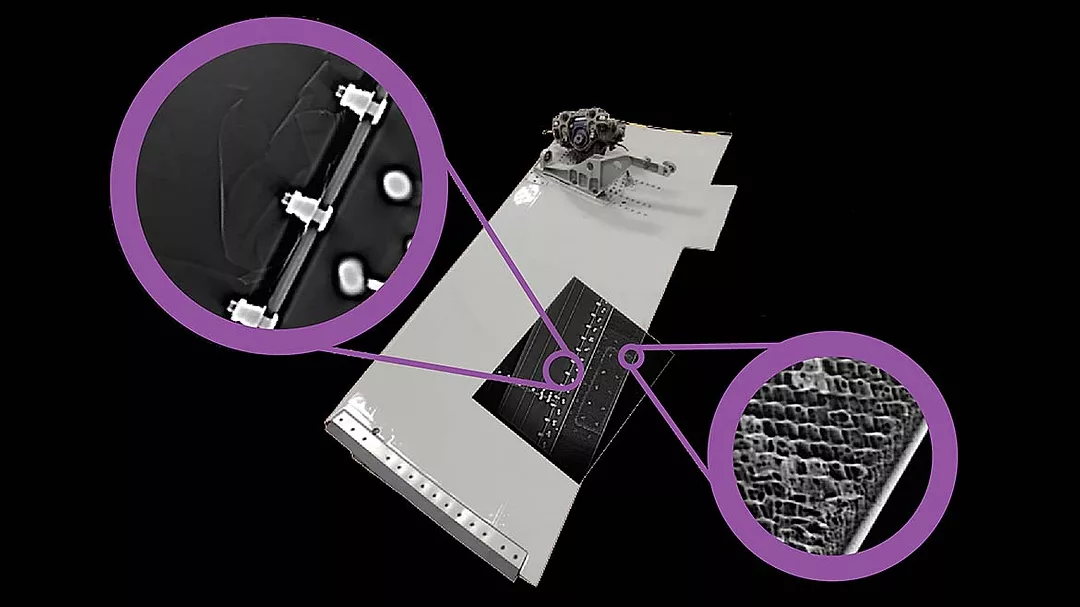
Low power X-ray digital tomosynthesis—an approach that sits between conventional 2D X-ray and full CT—takes a series of images from multiple positions, algorithmically reconstructing them to provide cross-sectional slices through a part. The radiation doses involved are a fraction of those associated with conventional CT, significantly reducing the shielding and exclusion zones required that have traditionally made CT difficult to deploy outside of dedicated facilities.
The result is meaningful 3D structural data delivered in a fraction of the time of CT, using equipment that is compact and flexible enough to be deployed within existing production environments.
Critically, this technology can be applied to large components and complex geometries that are incompatible with CT. Porosity, delamination, fiber misalignment and other critical defects can now be detected at lay-up, pre-cure, or sub-assembly stages: precisely the points at which intervention is still viable and correction, rather than scrapping, remains cost-effective.
With defined shielding and the low-energy source design that reduce radiological protection requirements, they are more practical to use in open production settings. For smaller suppliers and contract manufacturers across a range of sectors, this opens up in-house inspection capability that was previously out of reach.
In short, earlier-stage NDT offers a real shift in quality economics, with lower scrap rates, shortened re-work cycles, improved production flow, and shorter lead times. In automotive and aerospace, where production programs operate at scale and schedule pressure is intense, faster feedback loops can translate directly into throughput gains. In renewable energy, where blade and components are large and expensive to produce, reducing scrap rates has both financial and sustainability benefits. In medtech, where traceability and process validation are regulatory requirements, in-process inspection is the most efficient way to ensure parts are produced within regulatory standards while preventing high-volume production of defective parts that then become waste.
In-process inspection data can also enable better digital twin applications. For example, when defect data is mapped onto a component’s 3D model at the point of manufacture, that information travels with the part through its entire lifecycle. In aerospace and marine, this can support MRO decision-making; in automotive, it can inform warranty analysis or design iterations; in medtech, it underpins the device history record. Crucially, it creates a feedback loop between manufacturing quality and product design.
The arrival of new NDT imaging processes shifts the NDT approach from inspection-as-validation to inspection-as-control. It also offers sustainability and reporting benefits as, while also offering the possibility to be used in situ, without causing major disruption to other processes. In industries like aerospace and automotive, composite materials are energy-intensive to produce and difficult to recycle. Materials and carbon costs cannot easily be recovered so, in a world of interlinked NetZero reporting, reducing manufacturing waste is not merely good practice, but strategically important too.
Manufacturers who invest in this approach will not only gain an operational edge - such as lower scrap costs, increased productivity and stronger quality data - but, as composite components become increasingly common and quality expectations rise, in-process inspection will likely evolve from market differentiator to baseline expectation.
Can you afford not to invest in in-process NDT?
Looking for a reprint of this article?
From high-res PDFs to custom plaques, order your copy today!