Companies are turning to robotic automation for surface finishing tasks like sanding and polishing due to labor shortages. Advancements in AI enable robots to self-program and perform complex operations autonomously.
By “intelligent evolution,” I’m not talking about the simple adoption of automation and forms of machine learning, sort of a set-it-and-forget-it approach.
Manufacturing has evolved significantly with intelligent machines like robotics and automation working with humans. AI and predictive analytics help reduce equipment failures and optimize systems in real time, marking a major shift in traditional manufacturing practices toward a smarter future.
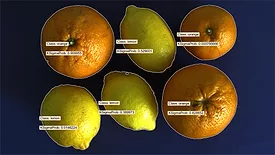
We define machine learning and explain how it works within machine vision, with a focus on where machine learning can be effectively applied to enhance inspection reliability and capability.
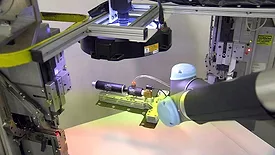
When you buy a cobot, you may have just one application in mind, but leading cobots are platforms for almost any number of quality applications - and not just quality applications.
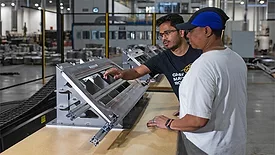
I've noticed that operators and inspection workers often realize upon first meeting collaborative robots (cobots) that they aren't replacements for human labor. Instead, cobots signal a shift from traditional automation in quality and inspection, providing distinct advantages over traditional robots.
Artificial intelligence (AI) is currently the leading trend in machine vision. Every major machine vision software package incorporates AI as one of its tools, and even less common software options include AI features as well.
The search for a perfect match isn’t just for dating; it also applies to machine vision, where software accurately identifies objects in images. This technology enhances industrial processes by enabling safe robot handling, precise machining, and effective quality control. I’ll explore why matching is essential in machine vision and how to achieve it.
High-speed machine vision technology, combining ultra high-speed imaging with advanced algorithms, is transforming industrial quality inspection by enhancing precision and efficiency. This article highlights its technical principles, applications, and development trends, as well as the challenges and breakthroughs in the field.
Optical metrology is crucial for precision in industrial quality control, especially in automotive and medical sectors. Unlike the human eye, cameras depend on pixel resolution for edge detection, making optics selection essential. Telecentric and endocentric lenses offer distinct benefits and limitations, helping professionals make informed decisions.
Proper illumination is vital for machine vision systems to capture high-quality images. Key factors include lighting geometry, intensity, wavelength, and optical filters. A strong grasp of these elements helps engineers overcome imaging challenges and build reliable inspection systems.
As a coffee enthusiast, I often rely on the energizing effects of caffeine to fuel my productivity, pushing through fatigue to get more done. Yet, I’ve learned that sacrificing sleep ultimately hinders my efficiency, and taking time to rest significantly boosts my performance.
 RSS
RSS