As high-performance industries adopt additive manufacturing (AM), the demand for harmonized standards is growing. This drives organizations and regulatory bodies to develop consistent protocols, moving away from conflicting standards.
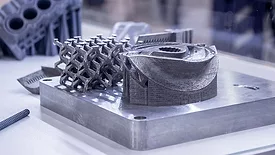
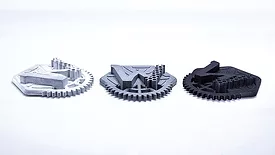
Additive manufacturing (AM) has long intrigued engineers with its design freedom and rapid prototyping. However, as it shifts to full-scale production, quality has become a critical bottleneck. Meeting the consistency, functionality, and cost expectations of conventional manufacturing is essential, making finishing as important as printing.
While the need for skilled workers continues to grow, many companies are learning that traditional approaches to hiring and training no longer resonate with early-career professionals.
The demand for skilled workers is rising, but traditional hiring and training methods are not appealing to early-career professionals. For Gen Z, job satisfaction involves more than just pay; they value growth, purpose, and access to advanced technology. In response, manufacturers and industry organizations are changing their hiring and training practices.
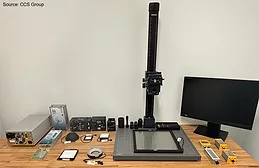
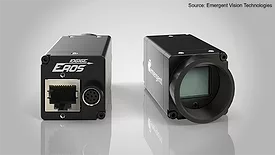
Industry 4.0 enhances manufacturing efficiency and quality through digital technologies and real-time data collection. 3D scanning provides precise, non-contact measurements, improving quality control for complex shapes.
RoboDK has launched RoboDK Academy: a free, self-paced online training platform designed to make industrial robot programming skills more accessible than ever.



three_scanners_scanning_sequentially.webp?height=168&t=1756889042&width=275 "System with three scanners scanning sequentially")