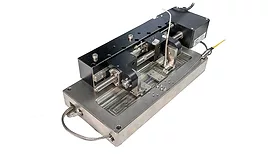
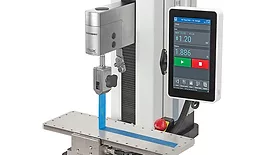
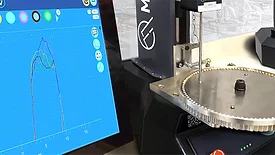
The microtester has revolutionized materials testing by allowing precise evaluations of small specimens, such as biological tissues and semiconductor wafers. This article discusses its key features, benefits, and future potential in materials testing.
It’s 8 p.m., story time before bed, and you sigh as your child picks “Goodnight Moon” again. At first glance, it seems like a simple tale of saying goodnight to objects in the “great green room.” However, a closer look reveals it as a complex world of materials testing.
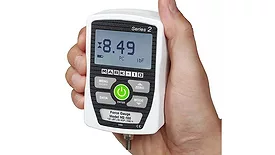
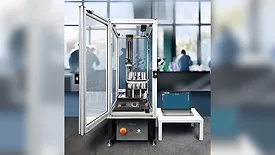
Force measurement and material test systems, used for compression and tension testing, include a test stand, software, a load cell, and a fixture. This article guides the selection and specification of these systems.
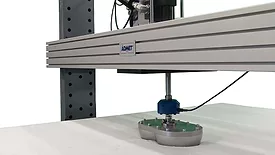
Compression testing is key in materials science for evaluating how materials respond to compressive loads. It helps determine mechanical properties like stiffness, strength, and fatigue life. This overview covers the testing process, material properties, standards, applications, challenges, and best practices.
Quality control in manufacturing and engineering relies heavily on compression force testing to determine material strength, durability, and stability. This article highlights the key uses and equipment needed for such testing.
UTM is versatile and cost-effective, evaluating physical properties while adhering to industry standards. They test durability and establish load thresholds for functionality, safety during use, and minimum loads for usability, improving the quality of the final product.
Patented RapidPIX™ lossless compression helps designers boost performance without adding costs by increasing data throughput over installed Ethernet infrastructure.
Materials testing ensures quality by subjecting materials and products to controlled conditions to evaluate properties and behavior under stress. Learn how mechanical, physical, and chemical properties are evaluated to determine suitability for different applications.