Portable Hardness Testing solutions from Webster Instrument, Inc.
October 6, 2025
Webster Instrument, Inc. has over 93 years of experience in portable hardness testing. Our WEBSTER® Hardness Testers, trusted since 1932, are used globally for aluminum, brass, copper, and steel testing. Assembled in the U.S. from domestic materials, we can help you find the right model for your production needs.
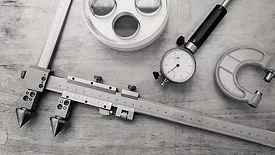
Quality inspectors must clearly understand the available tools for feature inspection. Various tools can measure size features, so it's crucial to choose the right ones to ensure accuracy and repeatability in reports. This article outlines key considerations for quality personnel prior to inspecting a part.
Political strife, economic instability, and natural disasters challenge the manufacturing sector. This month, explore expert insights on the role of artificial intelligence in quality management and new optical inspection standards.
Whether you’re new to GD&T or a seasoned pro, identifying these issues early can improve communication, streamline inspection, and ultimately result in better parts.
This article outlines common mistakes in applying GD&T and datum features that can frustrate machinists, confuse quality inspectors, and hinder CMM programmers. Recognizing these issues early can enhance communication, streamline inspection, and lead to better parts.
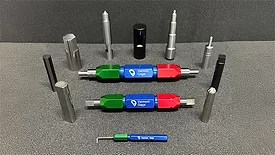
What is a custom gage? Is it a standard fixed limit gage made per ASME B47.1, or a modification of an existing design? Does the product require a new gage, a fixture, or a variable type gage? This article will explore modifications to existing plug gage designs and some special gage designs.
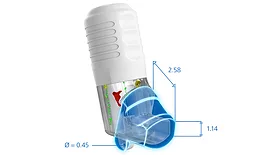
Precision is crucial in medical manufacturing, yet the industry faces labor shortages and increasing complexity. AI developments offer a solution by enhancing human expertise, enabling manufacturers to operate efficiently with limited labor and time while also improving patient safety and production resilience.
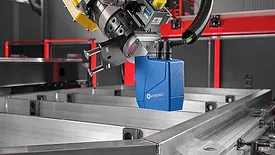
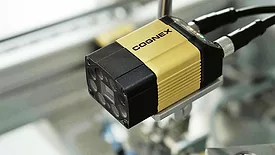
Manufacturers struggle with product quality and throughput due to increasing assembly complexity from automation, connectivity, and electric vehicle parts. Process engineers face challenges like strict documentation, short cycles, and safety concerns, emphasizing the need for more efficient manufacturing and quality inspection.
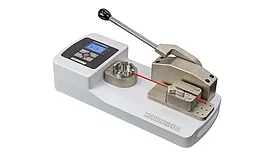
One force measurement application gaining popularity is wire terminal testing, where a controlled pull on a crimped connection is used to measure force, assessing its integrity and quality.
 RSS
RSS