RSS
RSS
Test & Inspection
Test & Inspection
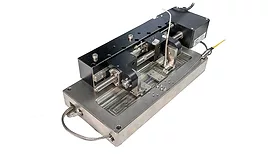
The Role of Microtesters in Materials Testing Today
The microtester has emerged as a recent evolution in materials testing technology.
Read More
.webp?height=168&t=1751233044&width=275 "Battery-pack failure modes")
NDT | Test & Inspection
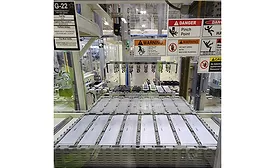
Best Practice Nondestructive Testing for EV Battery Packs, the Equivalent Channel Method
SAE International’s Battery Standards Testing Committee recently issued a recommended practice that established nondestructive in-line production test methods for evaluating water leak tightness for propulsion battery packs.
Read More

Test & Inspection
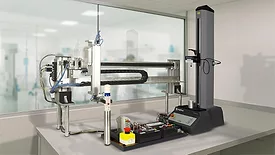
The Energy is Worth the Effort - the Catalyst to Automate
Automation in physical properties testing is a strategic investment that enables higher precision, greater throughput, and more actionable data.
Read More
Test & Inspection
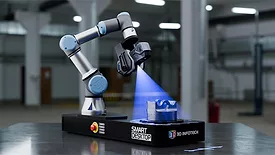
Metrology Automation and Industry 4.0
Enabling smart manufacturing with reliable data.
Read More


Test & Inspection
Highly Acclaimed Bedtime Story Offers a Look Into Intricate World of Materials Testing
Goodnight, Materials Testing
Read More

Automotive
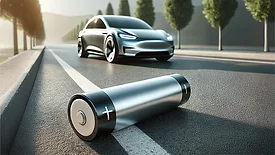
EV Batteries: Materials Quality Testing to Avoid Bumps in the Road
Each component must withstand mechanical, thermal, and environmental stresses throughout its lifecycle.
Read More