NDT | Force Testing
Measuring Force Data in Extreme Conditions
Manufacturers want more data in the product development process to create better products, and they need solutions that can perform in any condition.
Source: Getty Images
As technology has progressed, test and measurement systems are becoming more advanced and capable for a wide variety of applications and industries. This is because manufacturers want more data in the product development process to create better products, and they need solutions that can perform in any condition, especially when running field testing. This is increasingly important in force measurement as real-world testing is paramount to a safe and reliable product. And with the need for real-world force testing comes the need for sensors that can work effectively in hazardous environments including rain, wind, underwater, explosive environments, and exposed conditions.
Fortunately, sensor hardware has come a long way in terms of the protection we are able to provide for the internal electronics. Varied materials and component construction allow us to make standard and custom sensors built for a variety of environments. In this article, we will introduce the most popular hardware material (metal), along with sealing and protection methods. We will answer why certain metals and methods are best based on the environmental conditions, as well as provide examples in which force measurements sensors can optimally perform.4

Environmentally sealed Interface LowProfile Load Cell for harsh conditions | Source: Interface
Popular Ruggedized Force Measurement Sensor Materials
One of the critical considerations in the load cell selection process is selecting the materials used in the construction of the load cell. If you did not already know, load cells are made using different metal materials. This includes aluminum, steel, stainless steel, titanium, Inconel®, and even glass or carbon fiber. Each material used depends on the end-use requirements and the need for strength, accuracy, output signal, size and weight, budget, and most importantly, environmental concerns.
The three most popular metals used in load cell construction are aluminum, steel, and stainless steel, and each brings pros and cons depending on the environment.
Aluminum is a light and inexpensive metal, making it the most budget-friendly of the three. It is also the easiest to machine, as it does not require a heat treatment or secondary machining. Aluminum has a higher thermal conductivity, which can be good or bad depending on the environment. In adverse, when dealing with aluminum load cells it is important to understand that it is the softest material on this list, which means it is more susceptible to damage and cannot be used in particularly hazardous environments where it may be subject to taking pressure or impact damage. This also means that it cannot manage as much stress, resulting in a lower output signal.
Steel is a stronger metal, so it is a bit more expensive than an aluminum load cell. However, it is comparatively cost-effective. It also has the highest strength of the three materials outlined here. This means it is the least susceptible to damage and has the highest signal output. It also has higher environmental resistance than aluminum and less heat conductivity. The downsides to steel include the fact that it is more complicated to machine and requires a multi-step heat treatment operation. Compared to aluminum, the hysteresis is slightly higher for certain load cell designs.
Stainless steel lies in the middle in terms of performance, but it is higher in cost. The main benefit of stainless steel is the fact it is the best material to use in a corrosive environment because of the metal’s environmental resistance properties. The downside to stainless steel is that it is a bit more difficult to machine; however, it does only require a simple heat treatment process. We would recommend stainless steel when the user needs to collect data in a hazardous environment where the threat of explosion is present, like oil and gas, along with specific hazardous environment ratings such as ATEX, EX and others.
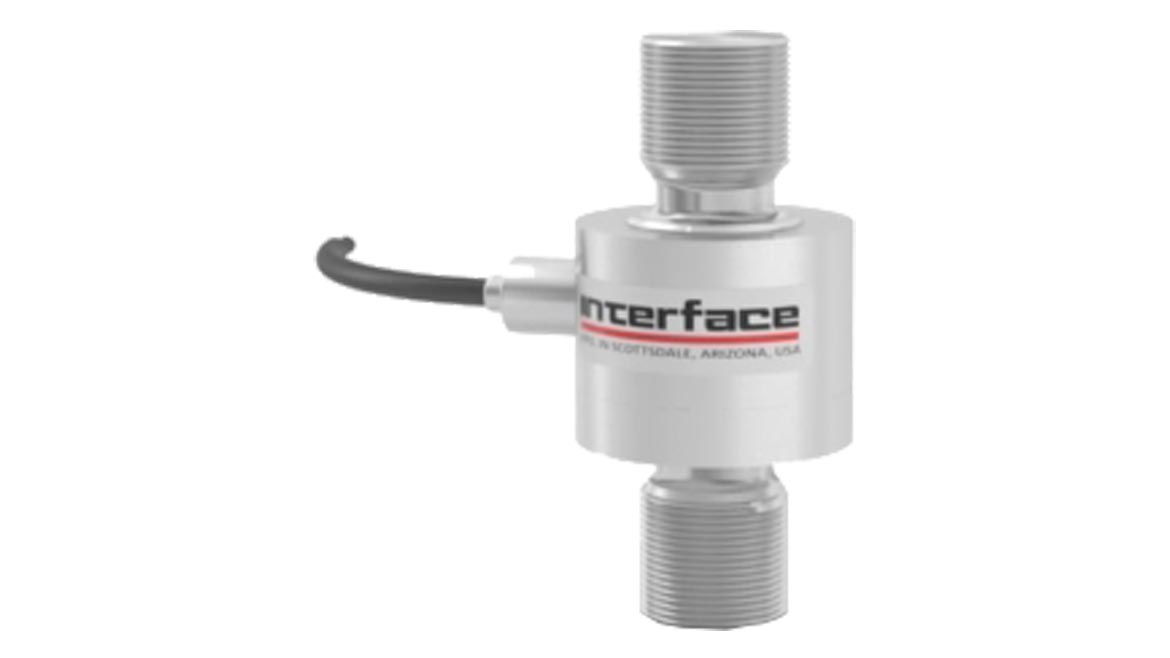
Submersible and environmentally sealed High Capacity WMC Miniature Load Cell | Source: Interface
Submersibles
One of the industries leveraging force measurement solutions to qualify and test products is the maritime industry. Force measurement products are used on a variety of products used in or near water. To perform in this industry, force measurement solutions need to be sealed to keep out water and debris like sand. Often, load cells need to able to perform underwater, not just near it. This is where IP-rated submersible force solutions are essential. These load cells can survive through underwater submersions at different capacities, and still be able to relay information to those at the surface level. Some load cells can also tolerate harsh maritime situations such as underwater tension lines, underwater oil drilling, and storm and tsunami monitoring. Seawater is also corrosive; therefore, submersibles often use stainless steel to avoid rusting and corrosion, which can lead to diminishing performance.
In the maritime industry, standard submersible products as well as custom solutions can be designed to the exact specification and expected conditions. Instrumentation solutions are also available that are fully sealed with wireless components also available. It is important to review with an applications expert the exact specifications of any submersible use requirement to ensure you have the right ratings, performance standards and ability to retrieve data in harsh conditions.
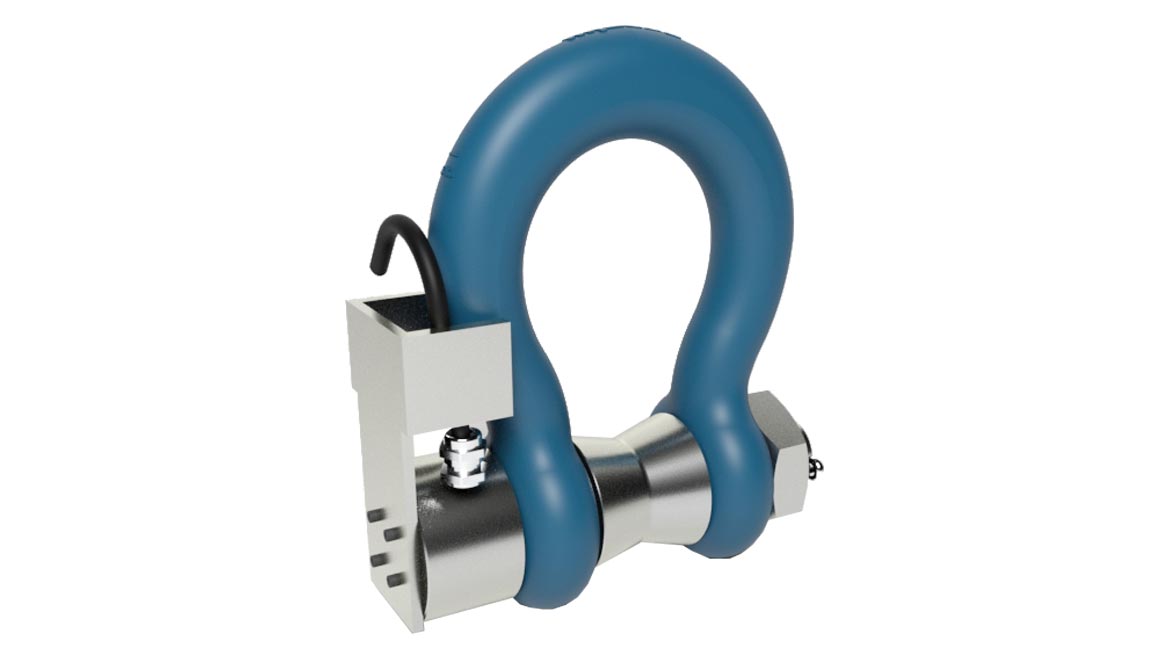
Bow Type Crosby™ Load Shackle used in high temperature environments | Source: Interface
Explosive Environments
In some industries, electronic components create a serious hazard due to the risk of explosion. Therefore, hermetically sealed force solutions are required for testing within an oil well. These specialized load cells and force measurement solutions are designed and manufactured so that the materials and electronic components are safe for use in hazardous gas and dust environments when installed per applicable installation instructions. These components play an integral role in the safety of the people working in dangerous environments in particular industries like oil and gas, mining, aerospace, automotive and more.
These hazardous environments are categorized by the amount of explosive risk that is present in the environment. These levels include:
- Zone Zero – explosive presence is always there
- Zone One – explosive presence is close and is sometimes there
- Zone Two – explosive presence is nearby, but is rarely present other than in some type of leak or other catastrophes
For force measurement products to operate safely in these environments, companies must design the devices in accordance with a regulatory body. These products must also be inspected for approval and then it is marked with the certification code that displays the zone and temperatures it is safe to operate in. In addition, the manufacturing process needs to be highly controlled. Manufacturers must keep documentation for each product, which includes how the product was made and where it went. And they are required to keep that documentation for 10 years in case of a product recall.
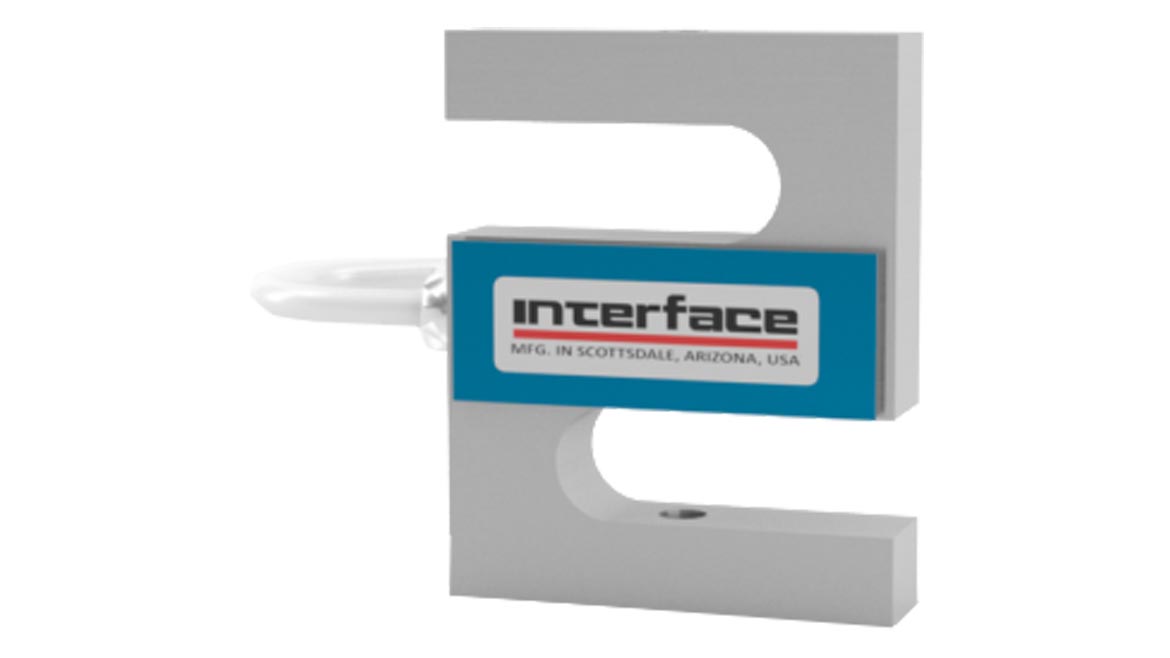
Environmentally sealed Interface S-Type Load Cell for extreme environments | Source: Interface
Extreme Temperatures
Force measurement products used in field testing can also experience extreme temperatures, both hot and cold. For instance, testing space components in a vacuum also means simulating the cold temperatures found in space. While in the oil and gas industry, downhole components will experience extreme heat, in addition to corrosive environments. Load cell manufacturers can develop special strain gages with enhanced temperature compensation for either environment. In addition, special cables or even solder must be used to handle these temperatures, especially heat, or else they can melt. It is critical that the temperature within the environment you’re testing is explained to the manufacturer, or you will not see the most accurate results, while also risking damaging your sensors.
Ruggedization of sensors solutions, in its many forms, is critical to real world force testing. Load cells and other force solutions have progressed to be able to provide reliable and accurate data in any conditions. When selecting a load sell that fits a project’s environmental needs, pay close attention to material, and ensure it is rated for the environment in which you will be performing the test. In addition, custom solutions are available from many manufacturers for more extreme or unique environments.
Looking for a reprint of this article?
From high-res PDFs to custom plaques, order your copy today!


