Measurement
Maintaining Data Integrity in Color Management and Quality Control
Ensuring that suppliers, contract manufacturers, and in-house teams all measure and evaluate color the same way is no small feat.
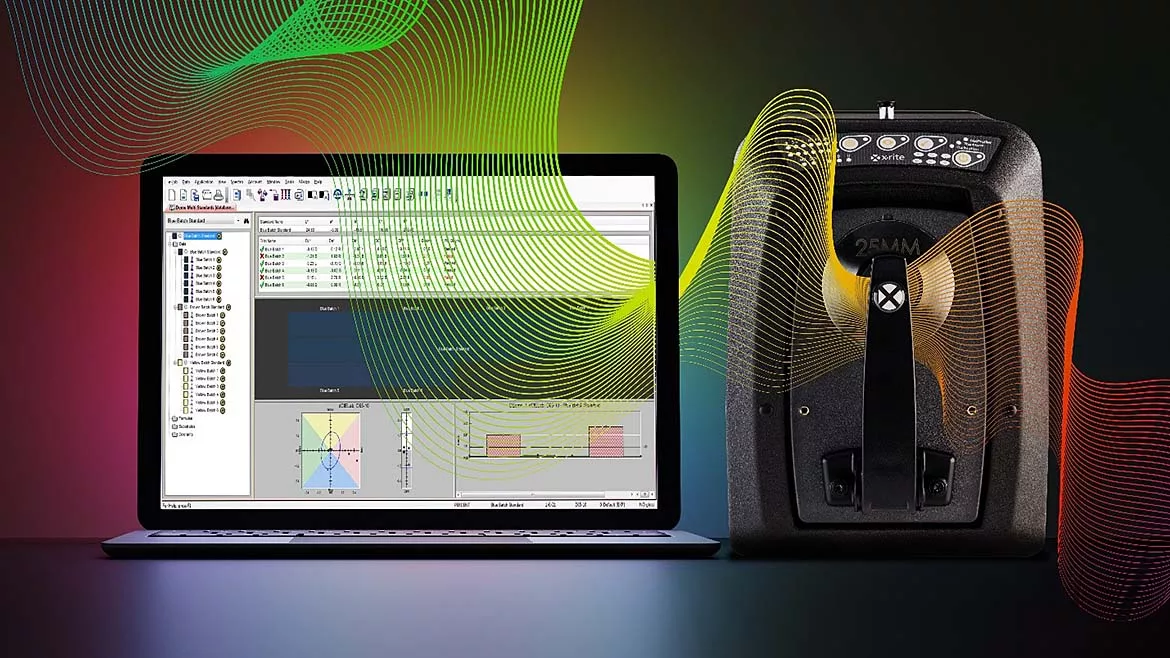
Image Source: X-Rite
The role of color in manufacturing has evolved far beyond visual appeal. Color is a measurable, traceable, and tightly controlled parameter—critical to product integrity, consumer trust, and production efficiency. Whether you’re producing injection-molded plastics for automotive interiors, formulating with pigments for industrial coatings, or dyeing sustainable textiles, color consistency is non-negotiable.
And yet, despite advances in measurement instrumentation and software, many manufacturers still struggle with color variation, leading to unexpected rework and approval delays. Often, the root cause lies not in the formulation or material but in the integrity of the color data itself.
The Foundation of Color Management: Reliable Data
At the center of every successful color management workflow is the spectrophotometer. This device measures spectral data with extreme precision, translating what the human eye sees into objective, quantifiable values. It is through this data that brands and manufacturers define color targets, formulate recipes, verify accuracy, and ensure compliance.
But even the most advanced spectrophotometer is only as valuable as the data it produces. If the device drifts out of calibration or if measurement protocols vary between shifts, facilities, or partners, the resulting color data becomes unreliable. The consequences are parts that don’t match, increased lab dips, rejected batches, and production delays that cost time and erode profit margins.

Ensuring and maintaining data integrity is a critical step in an effective color workflow. More importantly, it isn’t a one-time event—it is a continuous, system-wide commitment to precision.
Why Spectrophotometer Verification and Optimization Matter
Spectrophotometers, like any precision instrument, are subject to wear, environmental influence, and gradual drift. These small shifts may go unnoticed until color variation becomes apparent in the final product. By then, the cost of correction is high.
To maintain data integrity and ensure consistent color performance, regular device optimization is essential. Calibration is a key part of this process—it compares the instrument’s readings to certified standards and corrects any deviations before they can impact production. Routine performance checks add another layer of confidence by testing accuracy under varying conditions, helping identify early signs of wear or malfunction. When devices are routinely calibrated, QA managers can trust the data to meet increasingly tight color tolerances—often as precise as 0.5 ΔE00 or even lower.
Daily calibration is required for most spectrophotometers and is a straightforward procedure that restores the instrument to a known, accurate state using factory-supplied reference standards with traceable values. Typically, this includes a white calibration using a certified ceramic tile and a black calibration using the instrument’s black trap. These reference points are pre-programmed with precise reflectance curves established during manufacturing. Many devices allow users to set calibration intervals—every 8, 12, or 24 hours, depending on their workflow. For high-contamination environments or when instruments are shared between shifts, recalibration may be needed even more frequently. To preserve accuracy, keep the black trap free of dust and clean the white tile carefully with a lint-free cloth, or use isopropyl alcohol lens wipes in more demanding environments.
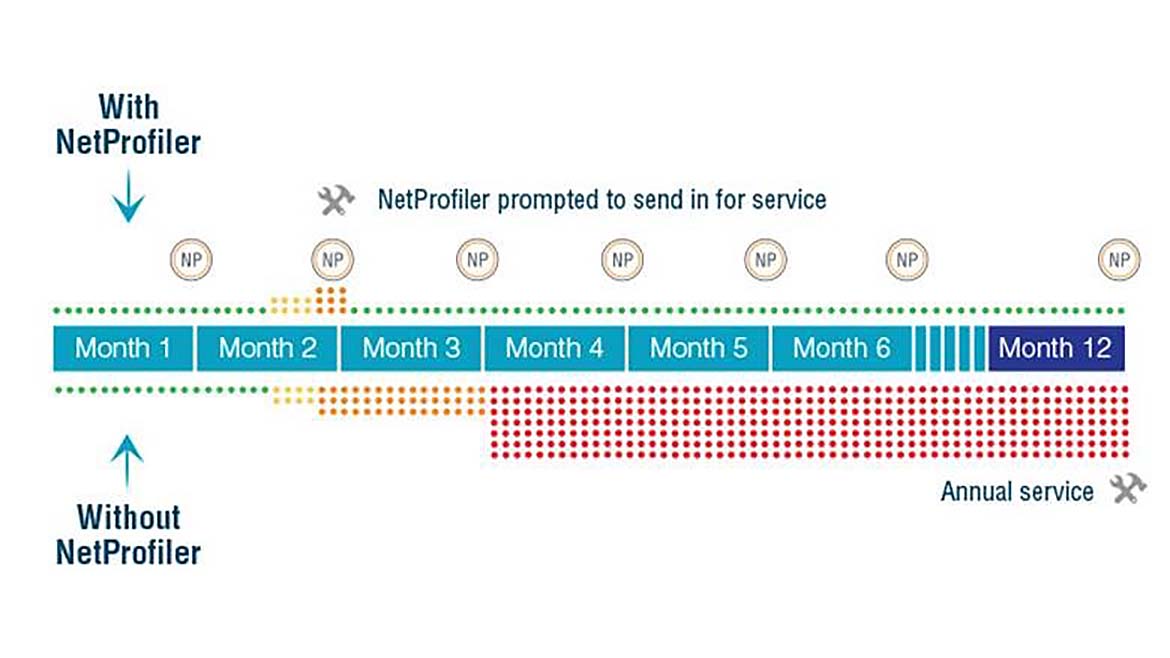
For broader, long-term optimization, cloud-based tools help ensure measurement consistency across devices and locations. These tools go beyond daily calibration by detecting wavelength shifts, correcting for environmental drift, and generating device-specific correction profiles based on comparisons to traceable reference values. Recognized as an ISO 9001-compliant calibration quality process, it helps align one instrument or a fleet of devices to a common standard - so a color measurement taken in Detroit matches one taken in Germany.
Used monthly, calibration and profiling software act as preventive maintenance for your color measurement devices, reducing the risk of costly color mismatches, ruling in or out instrument-related issues, and ensuring accurate, reliable color data across your operation.

Recognizing When Service Is Required
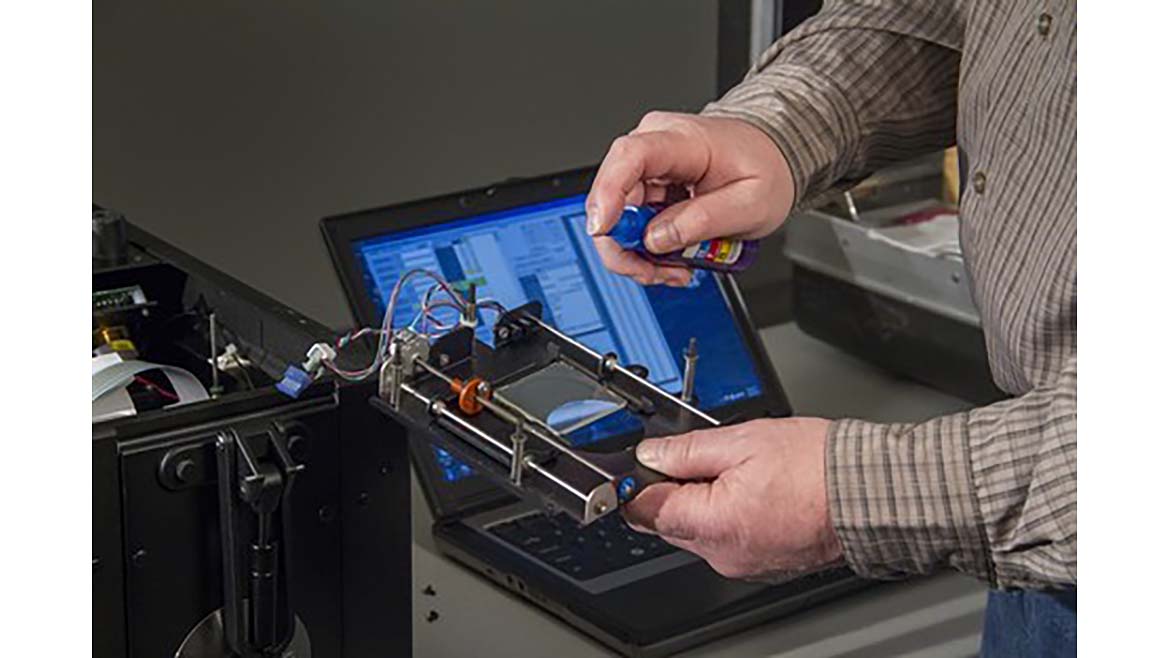
Even with a regular calibration routine, instruments will eventually require servicing. Warning signs such as prolonged calibration times, inconsistent readings, or physical damage are often indicators that an instrument is no longer functioning at peak performance. An annual factory certification, where devices are cleaned, tested, and aligned to national standards such as NIST and ISO, is essential to maintaining color consistency.
Ignoring these signs can compromise the reliability of an entire color workflow. A single misaligned or dirty spectrophotometer in a production network can introduce variability that ripples across hundreds of products, costing valuable time and material. Regular servicing ensures devices remain accurate, in good working order, and aligned with global standards.
Standardizing Color Criteria Across the Supply Chain
Manufacturers operate in increasingly distributed and global supply chains. Ensuring that suppliers, contract manufacturers, and in-house teams all measure and evaluate color the same way is no small feat. If standards vary by site, shift, or operator, the color data becomes unreliable, leading to inconsistencies and quality control issues. The solution lies in establishing and enforcing standardized color acceptance criteria.
This standardization includes more than just agreeing on a color target. It includes everything from instrument geometry, illumination and observer angles, environmental conditions, and the required tolerances. Enforcing color tolerances—expressed in ΔE values—is crucial in defining the acceptable range of color variation and aligning on what constitutes an acceptable color match.
A formal color acceptance criteria document serves as the shared standard operating procedure (SOP). It ensures that everyone—from the brands to the suppliers to the quality control managers, uses the same methods and tolerances, minimizing variability and miscommunication. When all teams agree and follow the same measurement protocols and tolerance limits, color data is accurate, traceable, and actionable. Without them, subjective evaluations or inconsistent setups can lead to decisions based on incomplete or flawed data.
Training plays a critical role here. Technicians, operators, and quality managers need to understand not only how to take a measurement, but why consistency in method matters. A culture of discipline in color measurement, backed by documented standards, enables teams to catch issues early—before they become problems on the production line.
The Power of Audit Trails and Digital Validation
As digital transformation reshapes manufacturing, traceability is becoming just as important as accuracy. Quality control software integrated with high-performance spectrophotometers enables the creation of audit trails for every measurement.
These audit trails log critical metadata, such as the operator, date and time of measurement, device settings, calibration status, ambient conditions, and even an image of the sample being measured. When using instruments such as a benchtop spectrophotometer in combination with quality control software, this level of documentation becomes part of the digital job file, creating transparency and accountability across teams and suppliers.
When a color issue arises, manufacturers can trace it back to its source—determining whether the problem stemmed from a procedural deviation, instrument drift, or a flaw in the sample itself. Audit trails eliminate ambiguity and provide evidence of compliance during customer or regulatory audits.
Identifying Color Drift Before It Escalates
One of the most powerful ways to prevent color failures is through early detection. Quality control software doesn’t just record data—it analyzes it. Software platforms can track color variation across batches, detect patterns in production drift, and flag measurements that are trending toward failure.
For example, if a pigment used in plastic components begins to drift due to higher-than-expected curing temperatures, the software can visualize that trend long before the product falls out of tolerance. Operators can then investigate and adjust process variables—such as dwell time or material flow—before defects reach the customer.
When your color workflow process is built around accurate and reliable data, quality control software provides an immediate return on investment by helping manufacturers reduce waste, avoid downtime, and ensure that quality issues are resolved early—not after costly escalation.

Color Accuracy Starts—and Ends—with Trusted Data
Brands and manufacturers face mounting pressure to deliver products faster, use more sustainable materials, and reduce operational costs. In this environment, rework is not just expensive—it’s unsustainable. That makes color data integrity a strategic imperative.
When companies prioritize well-maintained instruments, standardized measurement protocols, and integrated quality control software, they establish color workflows grounded in reliable data. This accelerates approvals, tightening process control, and enabling smarter, data-driven decisions at every stage of production.
Maintaining color consistency across a global supply chain is about trust. And trust is built on color data that you can rely on.
Looking for a reprint of this article?
From high-res PDFs to custom plaques, order your copy today!


