Management
Futureproofing Quality: Trends in Digital Color and Appearance Management
As digital transformation reshapes every segment of manufacturing, color and appearance management is undergoing a fundamental shift.

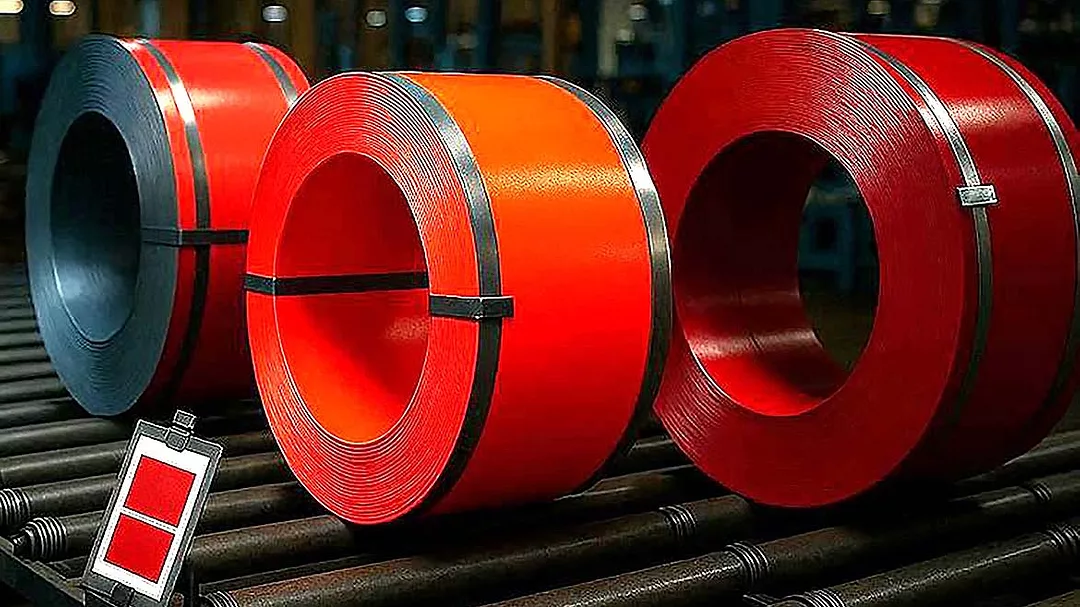

Traditionally, visual or physical standards were the backbone of quality assurance. But as markets globalize and product iterations accelerate, those physical samples no longer meet the demand for consistency and speed.
As digital transformation reshapes every segment of manufacturing, color and appearance management is undergoing a fundamental shift. In industries where precision and consistency define product acceptance, quality control (QC) and quality assurance (QA) teams are rapidly adopting digital technologies to modernize processes, improve collaboration, and futureproof operations.
Digital systems now connect global teams, streamline data sharing, and strengthen traceability from formulation to final inspection. With new opportunities come new risks: cybersecurity exposure, data integrity challenges, and the need for technologies flexible enough to evolve with laboratory and production requirements.
The New Landscape of Digital Color Standards
The evolution of color and appearance communication has been driven by the transition from physical standards to digital standards. Advances in modern technology and software have made this shift possible by improving accuracy, repeatability, and consistency. The increased consistency between measurement instruments allows standard specimens to be measured at a central location, digitized, and shared with other plants and locations.
A color standard is an example of this because it is created using measured data from a master target, typically through spectral measurements and colorimetric values with customized tolerances. This data forms a digital file that serves as an exact color “fingerprint,” including defined pass/fail criteria. Similarly, appearance and multi-layer film build metrics can be captured using customer-specific scales, parameters, and tolerance specifications within the same digital framework. Under these conditions, one can operate with a single source of truth, maintain ongoing updates to target specifications, and manage all digital files.
These electronic standards can be shared across manufacturing sites and supplier networks, enabling consistent communication and measurement of incoming and outgoing products without reliance on physical visual references. By using centralized software platforms, users can efficiently exchange and manage this data. When the same software environment supports multiple measurement types, it also enables more efficient data analysis and comparison of how different attributes influence one another.
Ultimately, implementing digital standards for color, appearance, and multi-layer film build leads to faster approval cycles, reduced variation, and greater consistency across the global supply chain.
Collaboration and Remote Auditing
Digitization is transforming the way quality operations collaborate and maintain oversight across global networks. By enabling real-time teamwork among laboratories, production sites, and suppliers, digital platforms eliminate geographic limitations and streamline communication throughout the value chain. Remote auditing of instrumentation enables both internal quality control teams and external partners to assess performance, ensuring the accuracy of the measurement data being gathered. Central to a modern quality ecosystem, data traceability and version control systems ensure transparency, accountability, and consistency across every stage of testing and reporting.
The Efficiency Gains: Streamlining QC/QA through Digitalization
Digitization is an operational advantage, reducing manual entry errors and allowing teams to trace each measurement back to its source instrument. In an environment where multiple instruments are used to gather data, it is critical to use digital standards that provide version control, color targets, and document all adjustments for compliance audits. An alternative to handheld instruments is robotic systems that provide greater consistency and larger datasets.
Analytical tools offer deeper insight by revealing process variations and trends that might otherwise remain unnoticed. By combining instrument data with key performance indicators from production, companies can identify root causes quickly and continuously refine materials and application parameters. The outcome is faster throughput, fewer rejects, and higher consistency within tighter tolerances.
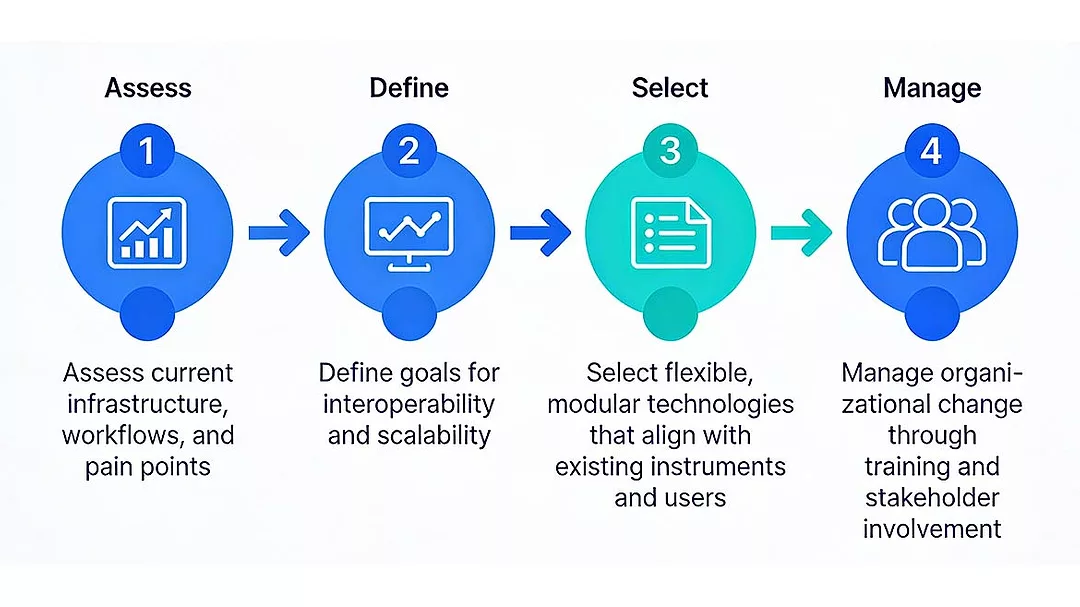
Technical Tips for Achieving Compatibility with Corporate IT Frameworks
When digitizing QC and QA standards and data, it is beneficial to utilize LIMS and ERP systems for centralized data tracking and management. These systems can be integrated with measurement equipment software to automatically capture live process data from production lines and record test results. This integration helps reduce manual reporting, data errors, compliance risks, and rework. LIMS and ERP systems ensure that digital records are maintained for each test, building historical datasets that can be used for trend analysis and failure investigation. At the same time, they establish a traceable audit trail to support customer and regulatory compliance across all aspects of manufacturing.
With the benefits of connected, digitized QC and QA systems come challenges related to system compatibility and cybersecurity within corporate IT frameworks. Ideally, LIMS and ERP platforms should be integrated into the company’s security ecosystem to minimize data leaks, prevent data loss, and ensure compliance with governance requirements. Typically required features include secure authentication protocols, audit trails, electronic signatures, change control, version history, and read-only archives for critical data. The result is a robust data management system that ensures secure data collection, handling, and access control, enabling organizations to leverage their data for process optimization, predictive analysis, and traceable measurement history.
Looking Ahead: Building a Future-Ready QC/QA Process
Looking ahead, QC/QA in the paint and coatings market is shifting from reactive inspection to proactive, data-driven control. Chemists and formulators are no longer just running tests; they are designing experiments to simulate production processes. The focus shifts to analyzing and interpreting multi-source data to optimize formulations, shorten development cycles, and reduce variability across batches. As product complexity, customer expectations, and regulatory demands increase, the ability to connect lab, production, field performance, and customer feedback into a coherent picture will define who leads and who lags behind.
Conclusion
To stay ahead of the competition, laboratories and production teams need to embrace flexible, secure digital ecosystems that enable controlled data sharing across instruments, sites, and partners. Platforms that make it easy to aggregate, standardize, and analyze data (such as data share type environments) help organizations put down the “spreadsheet” and move toward reproducible, audit-ready processes that can scale. At the same time, emerging capabilities like color and appearance prediction, automated defect detection, and digital tracking of sustainability metrics are rapidly becoming part of the QC/QA toolkit. Organizations that start building this future-ready foundation now will be better positioned to deliver consistent appearance, performance, and compliance while responding quickly to new materials, regulations, and customer requirements.
Looking for a reprint of this article?
From high-res PDFs to custom plaques, order your copy today!