Articles Tagged with ''standards''



NDT
The Invisible Shield: How Nondestructive Testing Raises the Bar for Public Safety
The bridges hold. The pipelines carry. The aircraft land. None of these occur by accident.
Read More


Management
Building Excellence: The Global Surge of the ASQ Certified Construction Quality Manager (CCQM)
This rapid adoption underscores a global industry shift toward data-driven, systematic quality oversight from pre-contract phases through project turnover.
Read More

Management
Supplier Quality Equals Device Quality: Eliminating Quality Failures at the Handoff
Both ISO 13485 and ISO 9001 place strong emphasis on foundational quality system elements such as traceability, document control, risk management, and oversight of externally provided products.
Read More


Aerospace
Driving Change in Aerospace Quality Management
Current aerospace programs demand agility to operate due to tight schedules and global supply chains.
Read More
Aerospace
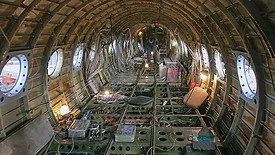
Compliance Is Essential, Reliability Is Earned
Why wiring for extreme aerospace and defense conditions demands more than standard compliance
Read More