Predictive maintenance, OPC unified architecture, and quantum dot technology are just some of the new buzzwords in this space, according to industry experts.
How can a QMS help your organization to achieve a strategic culture of quality? What can you learn from the unique challenges other organizations face in different industries?
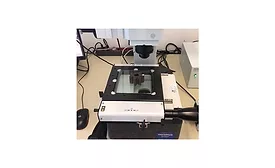
A host of tools are available to metrologists in today’s manufacturing environment. Many are simple, mechanical, and accessible to anyone who wants to measure something.
Sometimes adopting lean manufacturing means adding more people to a process. Eric Ethington, a lean product and process development coach, previously worked in the auto supply business. In a pump assembly product line, the typical cell had six operators.
The aerospace industry is known for manufacturing parts with critical dimensions and tight tolerances. Despite the high-demanding inspections they are required to perform, important players in the industry have managed to reduce bottlenecks and detect problems early in the manufacturing process.
At the end of the day, nothing matters more than customer satisfaction. Fundamentally, this sounds quite simple; make the customer happy, and all is well. Keeping customers happy and loyal to your brand, however, is not as easy as it sounds.
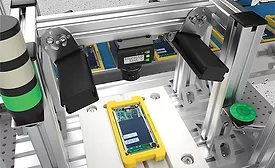
The demand for machine vision has grown exponentially as manufacturing facilities turn to automated quality control solutions to remain competitive in fast-paced markets with decreasing tolerance for error. In fact, the rise of machine vision is directly correlated with the increase in automation and robotic use in factories.
Phillips Precision, Inc. continues to improve manufacturing processes worldwide with its latest M5 Edge Finder™. Like the Pitbull® Clamp, Inspection Arsenal®, and Laser Arsenal® work holding solutions, inventor and owner Steve Phillips has the gift of designing simple, effective, low-cost and industry changing products.