In the early 1980s, my Quality career emphasized variation and corrective action. Although I’ve attended various solution-branded workshops, many organizations still struggle with understanding variation and effectively implementing corrective actions.
Eric Hayler is a Lean Six Sigma Master Blackbelt and principal of the Hayler Group. He's also an adjunct professor of business analytics at the University of South Carolina Upstate in Spartanburg, South Carolina.
Erik Nieves is the co-founder and CEO of Plus One Robotics. He's been in the industry for more than 30 years, and he also serves on the board of directors of A3 and is a frequent speaker and contributor to public policy and robotics.
Six Sigma is entering a fourth generation—one that connects operational excellence directly to enterprise strategy. This article explores how leaders can evolve continuous improvement (CI) into a portfolio-driven discipline that links financial outcomes, innovation, and customer experience.
During a career in which I devoted a large portion to developing and implementing improvement programs, one thing became crystal clear. Improvement programs with a focus on sustained improvement were more valuable than speed of implementation.
Kelly Allan of Kelly Allan Associates, a member of the board of trustees of the nonprofit The W. Edwards Deming Institute, talks to Quality about Deming and quality.
I was watching an NFL Football game when I first heard it. The commentator—interestingly enough, the rules commentator, a new fixture in football broadcasts, in place to help the audience better understand the how’s and why’s of the way a game is being officiated—referred to the situation as a “50 guys in the bar standard.”
In medical device manufacturing, precision is not optional. Every molded component must meet exacting requirements for safety, reliability, and compliance.
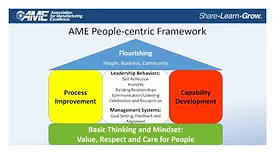
Some organizations may excel at implementing statistical process control and value stream mapping but may neglect to address how leaders interact with their teams. People-Centered Leadership asks leaders to move beyond transactional management and build relationships that support lasting quality.



.webp?height=168&t=1766182668&width=275 "Nieves_Q-Cast_Image (1).jpg")


.webp?height=168&t=1764879488&width=275 "Kelly Allan")