Auditors play a central role in certifying compliance with this standard. However, as environmental priorities evolve and technological tools advance, the competencies required of the EMS auditors are also undergoing significant transformation.
Frontline leaders bridge the gap between leadership's vision and daily execution, helping teams identify and resolve quality issues at the source. To be effective, they should be developed as coaches instead of just enforcers.
The latest Rules 6th Edition changes represent the most significant enhancement to the IATF certification scheme in nearly a decade. As the industry prepares for the next revision of the IATF 16949 standard, the upgrades appear to be laying a foundation for future requirements in digitalization and sustainability.
Maintaining the 19 ASQ certification exams involves hundreds of SME volunteers annually as well as a dedicated staff within ASQ to keep the exams current, accurate and fair.
ASQ follows ISO/IEC 17024 requirements to ensure impartial, competency-based certifications. The ASQ Certification Council manages the certification process and addresses related issues. Exam development involves a systematic process with volunteer Subject Matter Experts (SMEs), psychometricians, and ASQ staff.
External audits are essential for organizations aiming for excellence. At ASQ, we view them as a strategic resource that validates quality systems, identifies growth opportunities, and fosters accountability. When well-integrated, audits enhance sustainable performance and resilience.
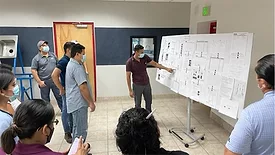
By creating the value stream map and overlaying each quality process, we were able to see missing data, key constraints, balance of labor, waste in each process and time constraints.
A quality auditor would be amazed if they saw your entire system from supplier to customer on one wall or in one big picture. Details and improvements are then easy to assess for planned actions. Quality stream mapping helps any organization.
Internal auditors have a key role in addressing climate change by focusing on greenhouse gas emissions. Incorporating sustainability training can empower your team to drive impactful changes and meet stakeholder expectations for a greener future.