Fluke Corporation announced CalStudio, a software-as-a-service (SaaS)-based solution that transforms the way calibration labs operate by centralizing knowledge and procedures into a single, cloud-based platform.
Mastercam, part of the Sandvik Group, announced the completion of a strategic acquisition to strengthen its market presence across the Midwestern part of the United States.
QP is the forward-looking mechanism for building a solid foundation established at the outset of product or service development cycles. This stance is necessary because development projects, despite beginning with clear objectives, typically encounter recurring difficulties as they progress.
CMMs have been in the industry since the ‘70s and historically had an untrusted stigma. Because of their time in the industry and their continued evolution, that’s changed.
“The biggest challenge with CMMs is that they are CMMs. They have been in the industry for a very long time and typically have a negative connotation about them.
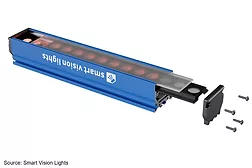
Smart Vision Lights (SVL) launches its Configurable LSR300 linear light, which has interchangeable OptiCard lens modifiers and optic windows for on-site customization.
Bauer and Ascential Technologies announced they have established a collaborative partnership aimed at transforming the aerospace test and measurement landscape.
In an era where cybersecurity is often seen as just a budget checkbox, it's crucial to recognize its potential to drive growth and enhance trust. Explore how leveraging a combined approach of Lean, Six Sigma, and Theory of Constraints can transform cybersecurity from a mere shield against threats into a powerful catalyst for business success.
Key factors such as gloss, haze, distinctness of image, and orange peel work together to determine the overall total appearance, along with hidden variables that also control your outcome.
A customer's first impression of a product depends largely on its appearance. Issues in formulation or processing can create defects that diminish perceived quality. Key factors like gloss, haze, and distinctness of image (DOI) impact overall appearance, while hidden variables also play a role. Understanding these elements is vital for ensuring consistent quality and customer satisfaction.
Risk management has taken center stage in quality management, particularly with recent ISO updates. Organizations must recognize that risk encompasses both negative impacts and potential opportunities. By utilizing diverse analytical tools and effective brainstorming, businesses can navigate risks, minimizing downsides while capitalizing on growth opportunities.
Choosing the right tools and techniques is essential in manufacturing and quality control. This principle applies to language as well; our word choices influence responses. This was clear during a conversation at the ASQ Measurement Division event in Michigan this September.