As the world moves toward LED adoption, brands, manufacturers, and suppliers need to carefully evaluate how this shift will impact their products, particularly regarding color.
The transition to LED lighting impacts color perception and quality control, requiring manufacturers to adapt their processes to ensure consistency and address issues like flare and metamerism under different lighting conditions.
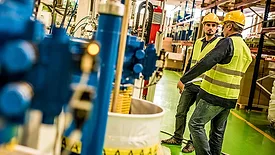
You have corporate telling you how you should do the job, the plant manager, engineering manager, supply chain management, and hopefully even the employees.
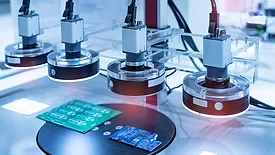
Unlock the potential of smart factories with machine vision, a transformative technology that enhances efficiency and productivity by delivering actionable data in real-time. Explore how it’s revolutionizing manufacturing in the era of Industry 4.0.
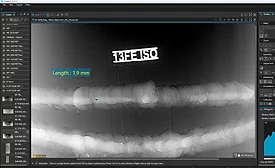
APQP’s roots trace back to the 1980s U.S. automotive industry, where fierce competition from Japanese manufacturers pushed companies like Ford, GM, and Chrysler to improve quality and consistency.
Rodrigo Perez from MxD discusses the exciting career opportunities in manufacturing. As a manufacturing systems integration engineer at MxD, he shares insights on recruiting the next generation, offers advice for newcomers, and explains the benefits of using digital twins in organizations.
In addition to designing and engineering an entirely new class of vehicle, manufacturers have had to figure out a way of building them, and to do so in a way that achieves optimum quality levels.
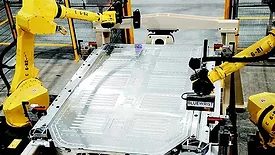
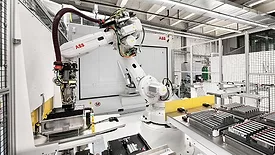
Robotic automation is key for automakers adapting to the evolving EV market, allowing for flexible production and efficient operations amidst uncertainty in regulations and demand.