Manufacturers and training providers are overhauling how they prepare nondestructive testing inspectors. New imaging technology, AI, simulation software and changing standards are reshaping training programs, while leaders are expanding their outreach and even changing their organizations’ internal cultures to attract and retain a new generation of inspectors.
Manufacturers and training providers are revamping nondestructive testing training with new technologies and standards, while leaders adapt outreach and culture to attract a new generation of inspectors.
The latest Rules 6th Edition changes represent the most significant enhancement to the IATF certification scheme in nearly a decade. As the industry prepares for the next revision of the IATF 16949 standard, the upgrades appear to be laying a foundation for future requirements in digitalization and sustainability.
Maintaining the 19 ASQ certification exams involves hundreds of SME volunteers annually as well as a dedicated staff within ASQ to keep the exams current, accurate and fair.
ASQ follows ISO/IEC 17024 requirements to ensure impartial, competency-based certifications. The ASQ Certification Council manages the certification process and addresses related issues. Exam development involves a systematic process with volunteer Subject Matter Experts (SMEs), psychometricians, and ASQ staff.
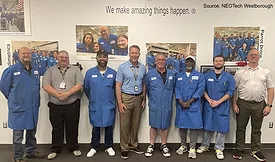
NEOTech announced that its Westborough, MA, facility has successfully completed the rigorous AS9100 Bi-Annual Surveillance Audit with zero findings, a testament to the company’s unwavering commitment to quality, security, and operational excellence.
The American Association for Laboratory Accreditation (A2LA), a global accreditation body, announced the opening of a second office in Boulder, Colorado.
The British Institute of Non-Destructive Testing (BINDT) certifies NDT practitioners through its PCN scheme, ensuring they are properly trained and qualified. This guarantees industry access to skilled personnel for various projects.
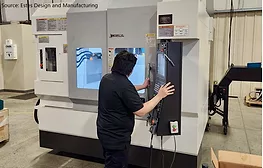
Estes Design and Manufacturing has received its AS9100D certification for its quality management system governing the design, manufacture and assembly of fabricated sheet metal products.
The NDT industry has established in-depth guidelines and requirements for formal classroom training, but a shortfall in the standardization of on-the-job training (OJT) requirements remains. Donald Booth, CEO of the American Institute of Nondestructive Testing, explains.
Nondestructive Testing (NDT) professionals are essential for ensuring the safety of infrastructure, flight operations, and energy facilities. However, a significant workforce shortage threatens this crucial role, with an aging workforce and fewer new entrants. Addressing this talent gap is vital to maintaining the high standards of safety and reliability in our industry.