In today's fast-paced business environment, companies are pressured to deliver products quickly and cost-effectively, often at the expense of quality. The quality department is essential in this context, ensuring that all products are safe, reliable, and meet established standards rather than merely following checklists.
It's not difficult to see the importance of studying and understanding cycles. There are many important cycles worth understanding, not just the so-called natural ones. These are important to success in our personal lives, in business, and in manufacturing.
My editor at Quality asked for a piece on risk management for quality professionals, but I’ll focus instead on demonstrating value and profitability, sharing insights to help you thrive in the field.
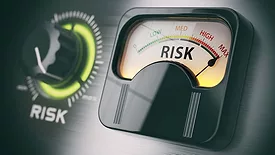
Risk assessment is not a one-time exercise but a continuous cycle that must adapt to changes in organizational context, industry regulations, and emerging threats.
This article highlights the importance of risk management in Conformity Assessment Bodies (CABs). It discusses key principles and tools to help CABs identify and mitigate risks, enhancing resilience and assessment accuracy. Read one to see what practical insights are offered for integrating risk management into CAB operations.
Over half (55%) of organizations plan to adopt Generative AI for security this year, especially in manufacturing. While AI enhances efficiency and cost savings, its rapid adoption poses new security risks and regulatory challenges. Manufacturers must proactively manage these risks to maintain operational stability.
In quality for a long time, I believe in a "quality renaissance." The glory days of quality are expected to start in 2024, driven by risk. This piece explains what's happening and how you can profit, referred to as "upside risk."
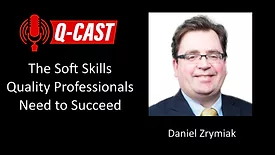
Quality sat down with Dan Zrymiak, an ASQ Fellow and recipient of ASQ’s Feigenbaum and Crosby Medal, to share his expertise on culture, leadership and values. Listen to the full podcast.
Accreditation is critical to ensuring there is an effective quality management system that affords greater process control, reduces risk, and ulitmately results in increased customer satisfaction. And, thanks to the pandemic, it got a little easier.
It’s difficult to find a business or industry that isn’t driven by software applications. From phones and laptops to manufacturing systems to validated applications for regulated industries, software drives many of our business processes.