In 2009, ISO proposed a standard for Quality Function Deployment (QFD) to improve product quality. QFD originated in Japanese manufacturing in the 1960s and complements traditional quality systems. The ISO standard, known as ISO 16355, includes over 100 case studies and tools from various sectors.
Through improvement methods like Lean Six Sigma, root cause analysis and so many others, quality has already made a large contribution to making organizations more sustainable.
This article will demonstrate that our current approach to sustainable development is not viable for our finite and vulnerable planet. We need a new definition and an approach that focuses on the quality of all life in order to ensure a successful long-term future for organizations and society as a whole.
Just as the development of the automobile and the shift towards electricity helped alleviate problems of the past, modern innovations like renewable energy, electric vehicles, and carbon capture technologies are essential in combating climate change.
The 1894 Horse Manure Crisis revealed the negative effects of rapid industrialization. Today, we can learn from past strategies to address the current climate crisis and promote a sustainable future.
The urgency of addressing environmental issues cannot be overstated. To achieve a sustainable future, we must adopt this approach that considers the interconnections between social, economic, and environmental factors.
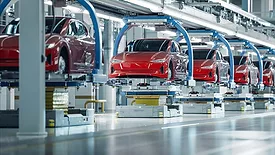
In a world grappling with climate change, the push for sustainability has made electric vehicles (EVs) a popular choice. Some states are even phasing out gas engine vehicle sales by 2030/2035. However, considering the total impact of producing and operating EVs reveals a more complex picture.
Catheters are used for various medical procedures, including addressing issues in a person's arterial network and urological conditions. They also deliver medical devices and treat conditions such as clogged arteries and irregular heartbeats. Testing for catheters includes tensile testing, lubricity testing, and usability/trackability testing.
Front-office operations offer strategic opportunities for continuous improvement. Automating tasks can maximize effectiveness, free up senior employees, and lead to significant improvements in productivity and profitability.
Quality starts with requirements. Conformance to requirements is important, but not enough. The quality of the requirements is equally critical. An effective quality management system ensures that requirements are not only present and up to date, but also adequate for creating quality.
Cable tension must be maintained precisely across various industries, and cable tensiometers are crucial for this. However, calibration of these instruments often faces issues due to communication between calibration labs and end users, leading to doubts about equipment functionality.
3D laser scanning tools, like laser trackers in general, are helping radically improve the safety of an assortment of vehicles that take to the sky or space.
Today, Maintenance, Repair, and Overhaul (MRO) operations are a significant sub-industry within manufacturing, valued at $656 billion and projected to exceed $800 billion by 2032. MRO involves maintaining machinery, equipment, and systems in optimal condition through repairs and overhauls to extend their operational life.
 RSS
RSS