Management
Addressing Manufacturing Labor Discrepancies: Using ERP to Overcome Workforce Challenges
Many Americans are not interested in manufacturing in the locations that need them the most.
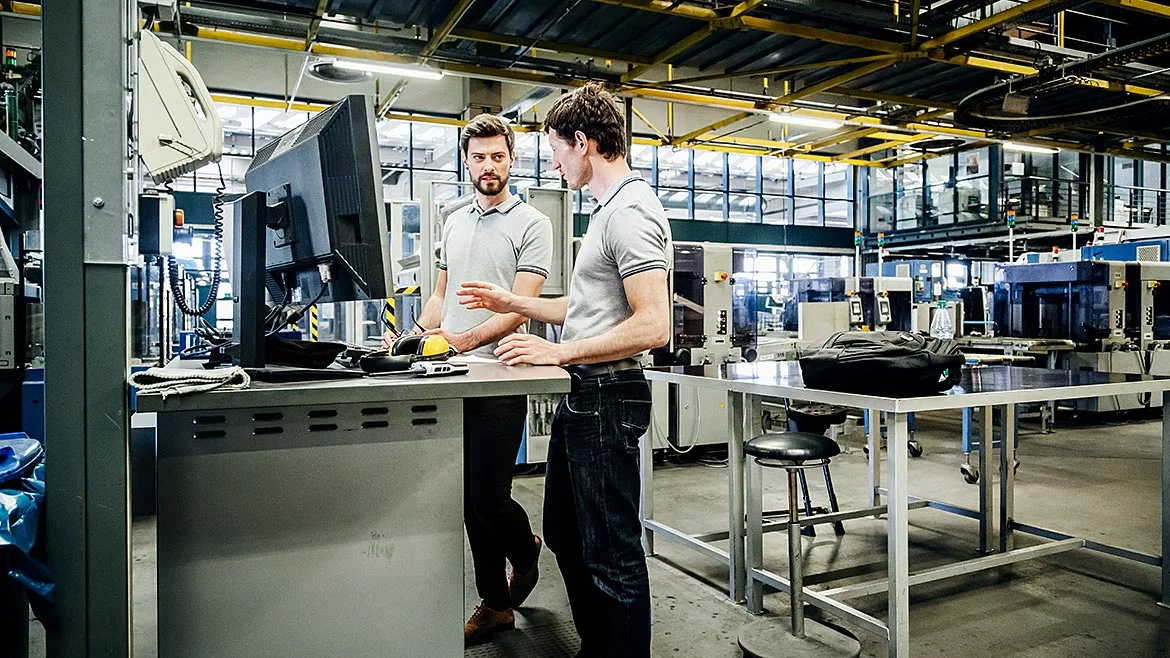
Image Source: TommL / E+ / Getty Images
Manufacturers are acutely aware of the ongoing labor shortage that continues to deliver regular challenges. Research conducted by the Manufacturing Institute projects that by 2030, the industry will need to fill approximately four million new positions. Perhaps even more profound, the study predicts that more than half of available jobs—roughly 2.1 million—may remain vacant. Manufacturing has experienced the perfect storm of demographic shifts and changing workforce expectations. The retirement of baby boomers is depleting the industry of experienced workers. Simultaneously, the sector struggles to attract new talent, with many potential entrants harboring different career expectations or lacking interest in manufacturing roles.
Recent research examined the number of manufacturing sector jobs available in each state cross referenced against the number of job searches for those roles. The data shows that Wyoming, the least populated state, had the largest manufacturing job deficit at 89.47%, with only 20 total job searches for 190 available roles. From a gross value perspective, Illinois had an unrivaled 2,788 posts open, and 850 total searches, leaving 7 out of 10 posts unfilled.
The key takeaway is that many Americans are not interested in manufacturing in the locations that need them the most. The pandemic created a remarkable shift in the workforce, leading to over three million adults retiring early. In what many are calling the “Great Reshuffle,” over 20 million people quit their jobs in 2024, but more people have been hired than have quit. Americans are changing careers and discovering improved opportunities with different employers.
To reduce impacts of the labor shortage in the short term and begin to solve for larger manufacturing industry issues, it’s important to approach the workforce from a perspective of education and innovation, while leveraging technology to help augment available employees. The combination of efforts can strengthen manufacturing fortitude, while improving labor shortages in the future.
Recruiting the next generation of manufacturing
Exposure to the manufacturing field remains a crucial factor in attracting talent. Early education is critical. High schools must teach about manufacturing careers and companies can look to prioritize visits to schools, promoting training courses and apprenticeship programs. These initiatives raise awareness and excitement about manufacturing careers among potential employees.
To best engage the Gen-Z workforce, manufacturers must go beyond awareness. This generation has grown up with technology embedded in their daily lives, naturally shaping their work expectations. A study found that 91% of Gen Z workers would choose roles offering technological innovations over comparable positions without them. For manufacturers, this means that a company’s technology perception is a crucial factor in not only recruiting but also retaining employees, as they prioritize digital-first environments. To attract tech-savvy talent, manufacturers should embrace modern systems that streamline the employee experience, minimizing tedious tasks like manually updating timesheets.
Sustainability initiatives also present a powerful way to attract and retain Gen Z talent. According to Deloitte, 20% of Gen Z workers have switched jobs or industries due to environmental concerns, with another 26% planning to do the same. Sustainability is more than an ecological responsibility—it’s a key factor in employer branding and talent acquisition. As manufacturers prepare for future hiring, emphasizing sustainability can be a strategic advantage, helping them secure not only new employees but also loyal customers.
Advancing the workforce of tomorrow
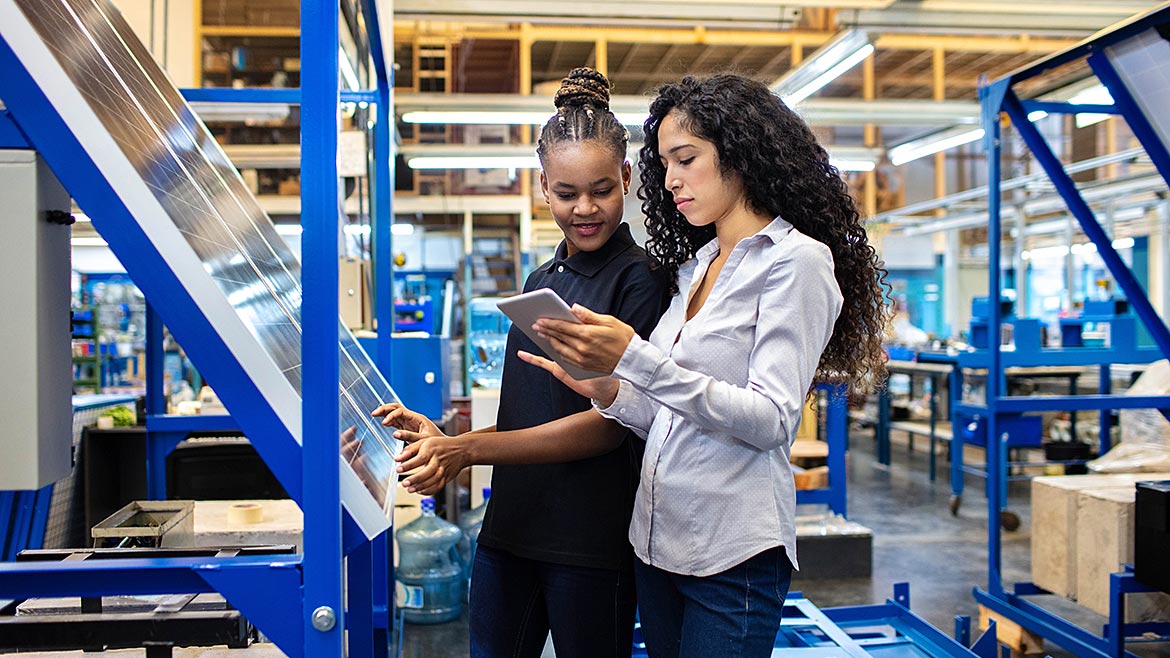
For highly-skilled workers, employers should offer more flexibility, such as remote work options when possible. Half of unemployed workers are unwilling to take jobs without the opportunity for remote work, and this can attract talent from other areas that only have to be on premises once a week, month, or quarter. Roles such as supply chain analysts, project managers, product designers, and IT support—relying on digital tools and data-driven decision-making—are well-suited for hybrid or remote work. By offering flexibility, manufacturers can enhance work-life balance, appeal to candidates beyond the local commuting range, and showcase their adaptability to modern workforce demands. This strategic shift not only strengthens recruitment but also demonstrates that the industry is evolving to meet the expectations of the next generation of workers.
Additionally, manufacturers should prioritize developing their current workforce by providing training in advanced skills. This approach not only boosts employee satisfaction but also contributes to a more dynamic and capable team able to handle the shifting demands of a rapidly evolving industry. A focus on internal growth fosters innovation and prepares the workforce to meet both present and future challenges. Together, remote work and upskilling create a more attractive, competitive, and sustainable career path, appealing to a wider pool of candidates while retaining existing talent.
Augmenting with technology
As the industry works to bridge the talent gap, ERP manufacturing software can help manufacturers tackle these shortages head-on. An ERP can provide full visibility of the shop floor to identify areas for process improvement and enhanced efficiency. These systems can also automate mundane tasks, freeing up workers for critical roles. Real-time data helps managers deploy staff more efficiently while remote access to systems opens the door to remote work, expanding the talent pool beyond local limits. These platforms also come with intuitive, modern interfaces which appeal to Gen Z, boosting experience valuable for long-term retention.
Moreover, these systems can track employees’ skills and certifications which helps identify training needs more quickly. Upskilling becomes easier as the single source of truth ERP systems provide enables smarter resource allocation to more efficiently fill crucial skill gaps in the existing workforce. ERP solutions can also safeguard institutional knowledge by preserving critical information on processes and customer preferences, reducing disruptions as legacy employees retire. This facilitates seamless onboarding for new hires and helps avoid recurring errors.
By streamlining operations, ERPs reduce the strain on existing staff. Food manufacturer Trufood faced challenges with inventory visibility after an acquisition. Implementing an ERP allowed them to precisely locate materials, saving time and reducing warehouse staff by 30%. They enable better collaboration, even across distances. Technology not only fills gaps – it reshapes how work gets done.
Bridging the gap: immediate and future strategies
Moving forward, AI tools could help to alleviate the strain on current employees. Technology such as machine learning (ML), an AI-powered feature, can analyze complex data sets beyond human capabilities, generating critical strategic insights that can transform production management. With these insights, manufacturers can proactively predict and prevent equipment breakdowns through advanced predictive maintenance, fine-tune quality control measures with precision, and maximize overall production performance.
AI Bill of Material (BOM) builders can help manufacturers by automatically creating BOMs, removing the labor-intensive manual process. Users can easily upload images, CAD drawings, PDFs, or CSV files, which AI quickly analyzes to identify materials and their quantities, simplifying data entry and enhancing estimating. By automating key tasks and optimizing operations, AI enables smaller teams to achieve more with fewer resources, easing the pressure on an already limited workforce.
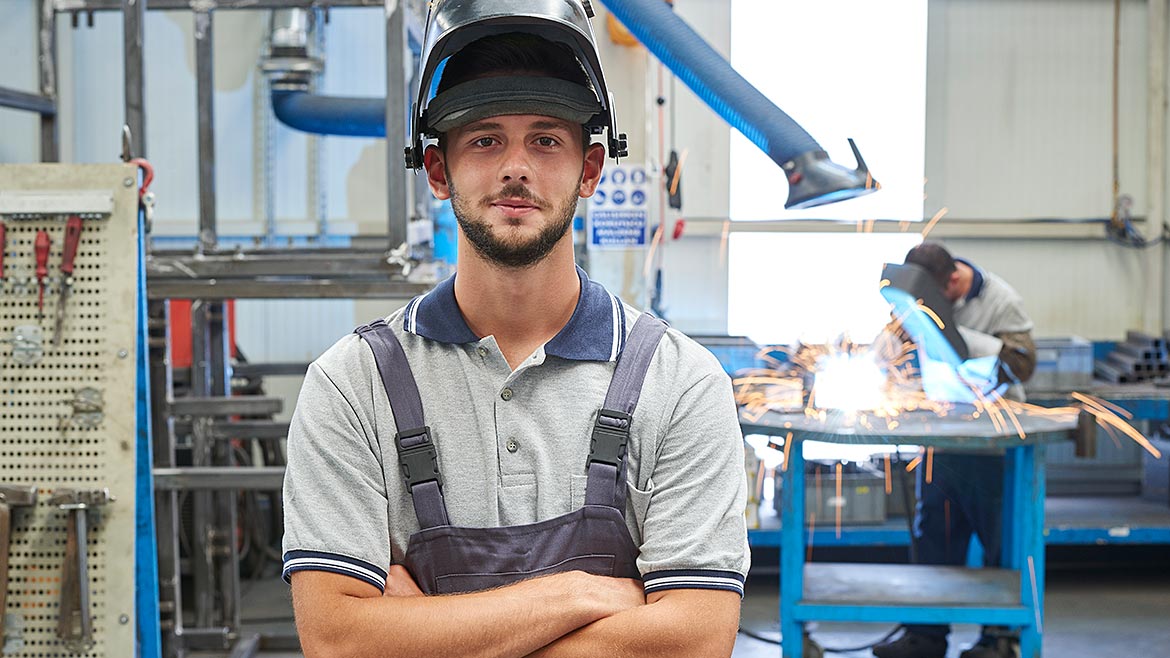
While strategies like education are important in the long term, it takes time for systematic change to take place. This scale of change will not be here tomorrow. Manufacturers trying to augment and uplevel staff in the face of the labor shortage can leverage technology in the short-term, as they bolster training and outreach initiatives. This dual approach of immediate technological solutions and long-term educational initiatives is not just crucial, it's the key to addressing the labor gap comprehensively and ensuring a bright future for the manufacturing industry.
Looking for a reprint of this article?
From high-res PDFs to custom plaques, order your copy today!


.webp?height=200&t=1731730848&width=200 "Two engineers in a factory.")