From the Editor | Darryl Seland
The ROI of Quality: Why Investing in Quality Pays Off
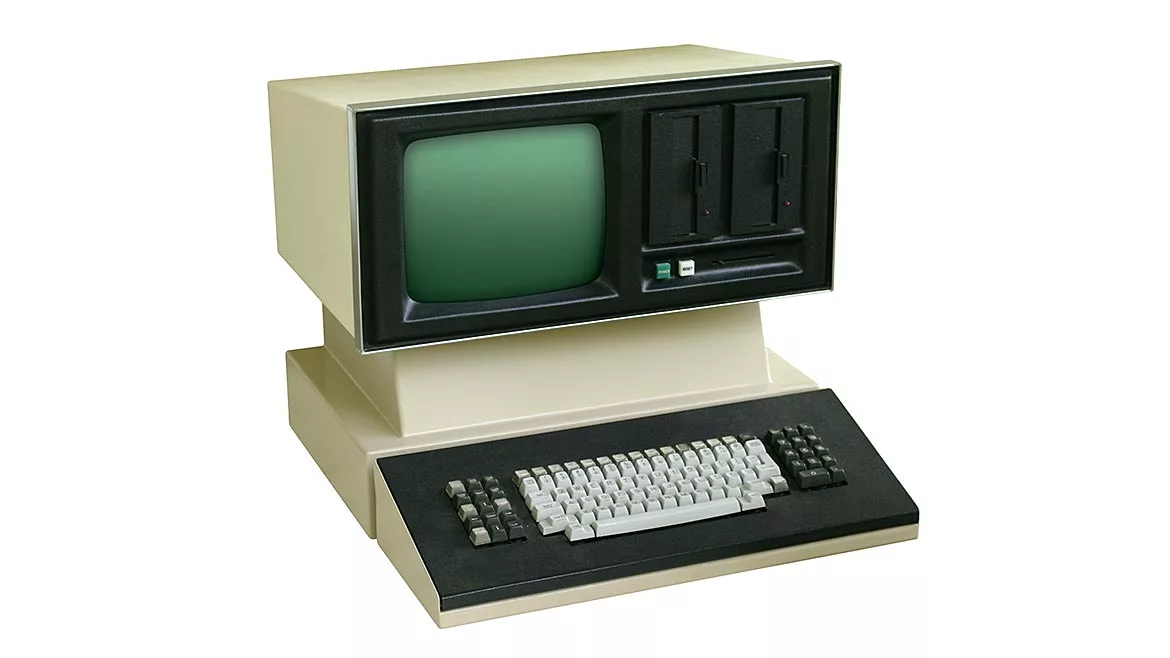
Image Source: ranplett / E+ / Getty Images
Question: How can we afford to do that?
Response: How can we afford not to?
It’s a rather common exchange. And concise.
It stems from a difference in perspective about the facts, perhaps a difference of opinion about a situation. Its causes. Its effects.
What it comes down to is a choice, not necessarily between two distinct actions, but rather the cost of action versus inaction.
It’s actually dubbed COI, or the Cost of Inaction. As explained by sugarcrm.com, "In the world of business, opportunities often come with an expiration date. It’s easy to get caught up in the promise of potential gains, focusing heavily on the Return on Investment (ROI) that a new project or initiative might bring. However, an equally crucial aspect that often goes overlooked is the Costs of Inaction (COI).
"The Cost of Inaction is essentially the price you pay for not taking action. It’s the hidden, often underestimated cost that accumulates over time as opportunities slip by and problems remain unsolved."
An article in Forbes, titled "The Cost of Inaction," by Ed Krow stated, "Making a decision based on ‘We didn’t budget money to solve this problem,’ and being willing to continue to spend $1.5 million a year on a problem is the COI."
The "drivers" of this inaction are commonly described as a lack of technical understanding, a lack of clarity around the application, and a perceived lack of value.
The latter is touched upon in Krow’s example of the "ultimate" cost of inaction, writing, "Few people know the Kodak Company was the first to invent the digital camera back in the 1970s. They filed the patent but failed to fully develop the technology because they feared it would too greatly impact their sales of film. In 2007, their patent for the digital camera expired. In 2012, Kodak filed for bankruptcy. They paid a huge cost for their COI in not jumping into the market and exploring the new technology. I understand this is a prognostication, but their COI was bankruptcy."
Krow also pointed out that, "In 1977, Ken Olsen, the president and founder of Digital Equipment Corporation, famously said, ‘There is no reason anyone would want a computer in their home.’"
While hindsight is 20/20 and no one can predict the future, what seems to be being advocated here is a broader perspective, looping in, at the least, COI along with ROI.
That broader perspective is being called for in manufacturing with the pace and verocity of the discussions about artificial intelligence (AI).
As Carl L. Drechsel asks, "Does your organization need the world’s first ISO/IEC 42001 Artificial Intelligence (AI) Management System? In a world now immersed in AI activities the question could be rephrased ‘Can you afford not to use an AI management system?’"
Read Carl’s column from ASQ, "Are You Blazing a New Path to ISO/IEC 42001 AI Standard?" and everything else we have to offer in this month’s Quality.
Enjoy and thanks for reading!
Looking for a reprint of this article?
From high-res PDFs to custom plaques, order your copy today!