Test & Inspection
Soar to New Heights with Advancements in Balancing Technologies
Balancing improves the overall quality of manufactured components and customer satisfaction.
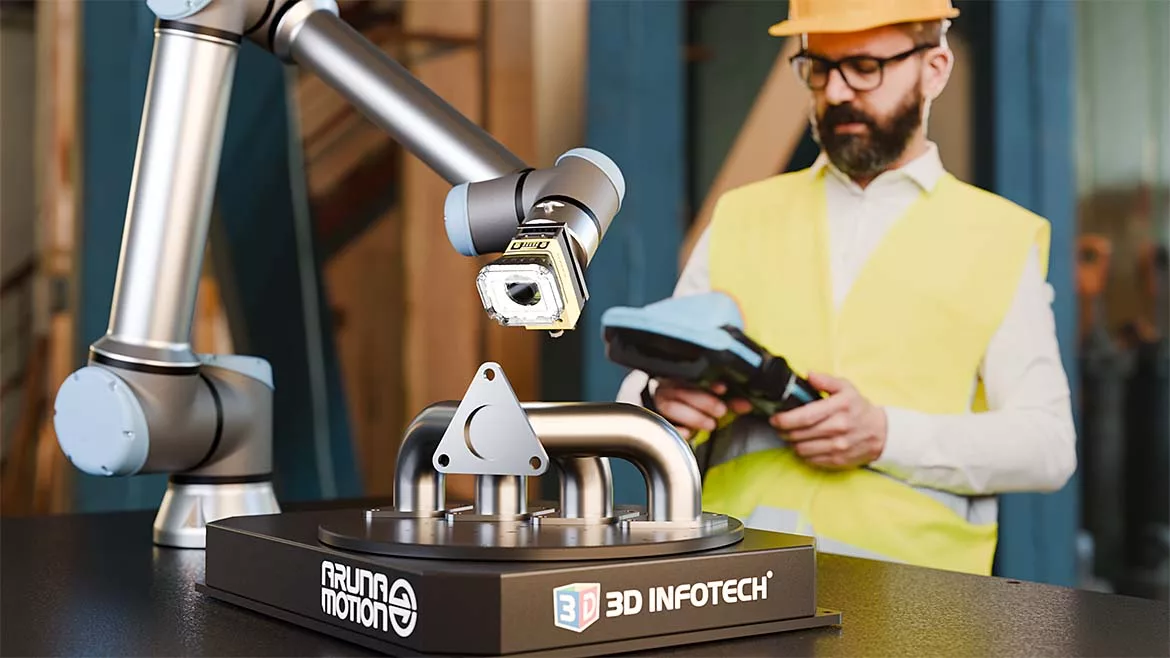
Balancing technology rarely makes headlines as a hot topic, yet it has a profound impact on the safety, efficiency and reliability of aerospace systems, among other industry systems and machines, worldwide. From aerospace turbines to factory motors, properly balanced components make a significant difference by reducing vibration, extending equipment life and enabling more efficient operation. Over the years, balancing has evolved from a manual, analog process to an efficient practice that utilizes digital, sensor-driven systems with real-time monitoring.
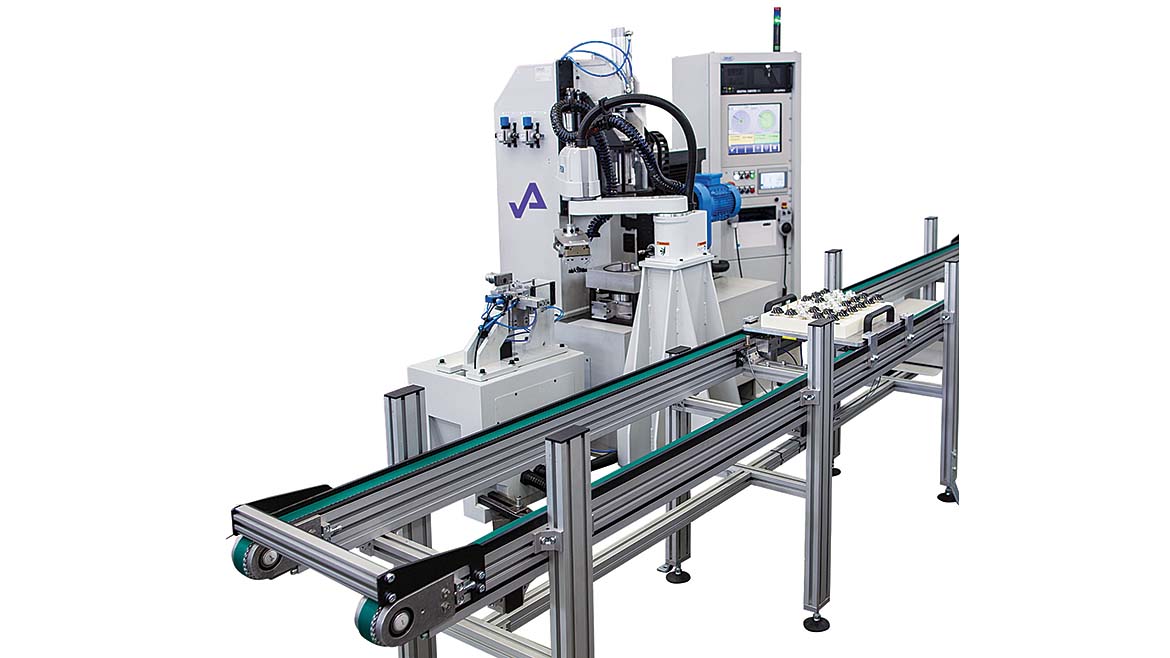
A Look at its Evolution
In the 1990s, balancing was a manual, specialist practice where technicians relied on analog machines and trial-and-error methods. With the emergence of computer-aided balancing systems, automated calculations helped to improve accuracy. By the 2000s, advanced sensors (e.g. piezoelectric accelerometers) allowed for greater precision and improved detection of even minor imbalances. Fast forward to the 2010s, and advancements like software analytics made it possible for engineers to simulate and optimize balance before making physical adjustments.
Today, balancing systems are integrated into Industry 4.0 environments, offering predictive diagnostics and remote monitoring as well as AI-driven corrections. This progression has transitioned balancing from a reactive task to an essential, proactive one to achieve necessary reliability and safety.
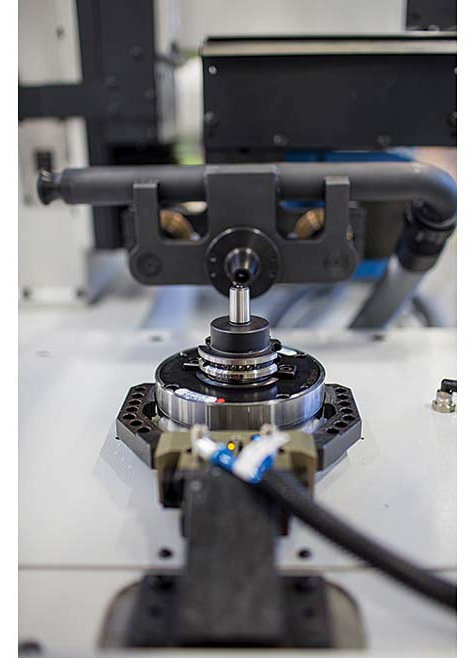
To complement these upgraded systems, many companies have established service organizations that incorporate balancing capabilities to provide the expertise and equipment that customers need to keep their machines operating at peak performance.
Balancing Has Become Imperative
Imbalance can have serious consequences, it is one of the most common machinery faults and, if left uncorrected, accelerates wear, shortens equipment life and raises maintenance costs. Guidance from the U.S. Department of Energy and the Vibration Institute emphasizes proper balancing and condition monitoring to avoid these losses. For operators, these results tend to mean unplanned downtime and higher operating costs.
Here's a look at many of the benefits of properly balancing components and machines:
- Reduced stress on components, for example balanced rotors reduce stress on bearings, seals and couplings
- Extended component life
- Reduced maintenance and operational costs
- Mitigated noise and vibration, which directly translates into greater machining precision and smoother surface finishes
- Improved uptime
- Increased safety in workplaces
- Smoother and quieter operation
- Increased efficiency and sustainability
- Reduced operator fatigue
With all the added benefits, balancing is now considered a ‘must have’ for reliability, creating a demand for balancing services that continues to grow. In fact, market research by Verified Market Research estimates the global dynamic balancing service market was valued at $8.3 billion in 2024 and is projected to exceed $12.5 billion by 2033. Field data and vibration studies consistently point to imbalance as a leading contributor to rotating equipment failures and related safety incidents.
As mentioned above, balancing also extends the lifespan of critical assets. With balancing in play, equipment that might otherwise fail prematurely can meet or exceed design life. For large turbines, compressors or aerospace engines, the financial and operational value of that extended life for companies is substantial.
Efficiency and sustainability improvements can also be a huge driver for companies to adopt balancing strategies. According to the U.S. Department of Energy, unbalanced systems waste significant energy overcoming vibration forces. A balanced system uses less power or fuel to achieve the same outputs, and across thousands of machines globally, those small efficiency gains add up to truly meaningful cost savings and lower emissions.
Ultimately, balancing improves the overall quality of manufactured components and customer satisfaction.

Balancing in the Aerospace Sector
Aerospace offers a great example of how balancing has become mission critical. With jet engines, UAV turbines and helicopter rotors spinning thousands of revolutions per minute, even the slightest imbalance can lead to vibration that stresses bearings resulting in reduced efficiency and compromised safety. Modern turbofan engines offer another application example as they undergo balancing during manufacturing and repeatedly during service life. High-speed balancing systems and precision sensors allow technicians to minimize vibration, leading to smoother, quieter and more fuel-efficient operation.
Helicopter rotors can present challenges because their blades must be balanced in both weight and aerodynamic lift. Through the development of specialized systems, maintenance professionals now can achieve blade-to-blade consistency with exceptional precision, often without replacing entire sets.
Aerospace maintenance teams rely on balancing providers to deliver both in-field solutions and shop-based services with the accuracy required by many international standards. While some emerging innovations are still developing, such as systems that use real-time data to adjust balance dynamically, service organizations ensure that as these technologies mature, customers can implement them safely and effectively.
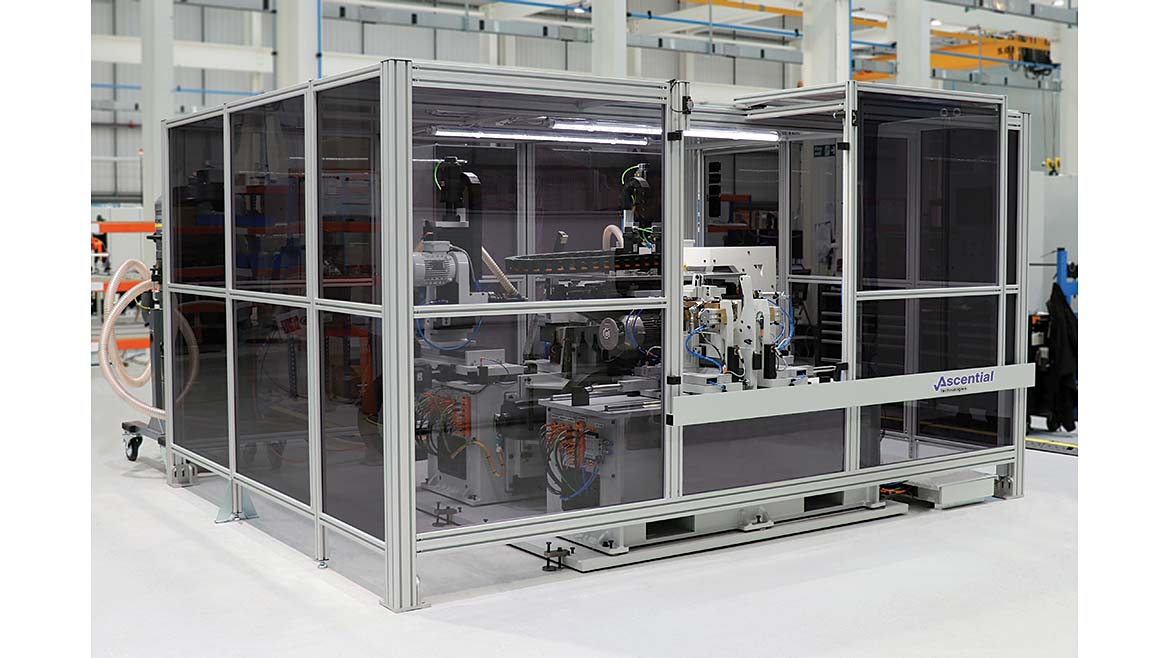
Balancing Service Providers Create Efficiency
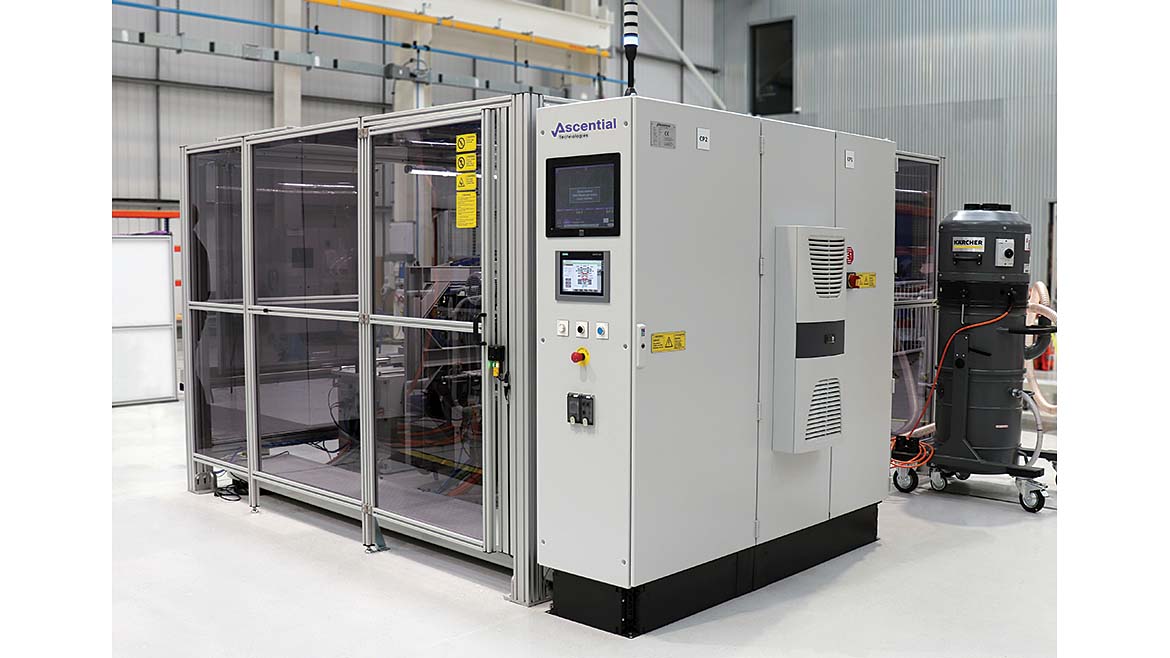
While the benefits of balancing are immense, the real-world impact that balancing can have depends heavily on service organizations. The role of these companies is to utilize balancing tools and turn them into solutions for customers, whether through in-field balancing for stationary equipment or shop-based balancing when rotors and components are sent to specialized facilities. Service providers embed the practice into routine maintenance programs, enabling customers to capture the benefits of balancing consistently.
In industrial settings, from power plants to chemical processing facilities, balancing service providers deliver both flexibility and precision. Field balancing is often the fastest way to keep large systems running, with technicians restoring balance in turbines, motors or fans without having to disassemble them. For example, wind energy technicians now use innovative resin-injection methods to add counterweights inside turbine blades, restoring balance quickly and avoiding downtime. These services provide rapid response when equipment cannot be moved for various reasons, protecting output and uptime.
However, for most rotors and components, shop-based balancing provides the highest quality standard. Service facilities are equipped with high-speed balancing systems and advanced instrumentation that cannot be replicated in the field. Customers benefit from a controlled environment, detailed diagnostics and compliance with standards such as ISO certifications. Rotors balanced in these facilities are documented against precise specifications, ensuring confidence in safety-critical applications. For aerospace, automotive and industrial customers, sending components to a service center extends equipment life, reduces lifecycle cost and ensures regulatory compliance.
What the Future Holds
Looking forward, the trends shaping balancing are already practical realities. Predictive maintenance powered by AI is helping customers anticipate imbalance before failures occur. Portable balancing systems are more advanced, allowing technicians to resolve issues faster on-site. At the same time, shop-based balancing facilities continue to push accuracy higher, with advanced instrumentation and data integration providing unmatched diagnostic insight. Additive manufacturing and precision machining are producing inherently better-balanced components, but verification and adjustment remain essential. The common thread is that service organizations translate these technologies into usable tools, enabling customers to improve uptime, extend equipment life and reduce costs.
Balancing has progressed from a manual craft to a cornerstone of industrial and aerospace reliability. The immeasurable benefits are clear but rely heavily on the service provider ecosystem. The expertise of balancing service organizations allows customers flexibility to leverage cutting-edge technology without the burden of managing it themselves. For operators across industries, the message is straightforward: investing in balancing services is not just an option, it is critical to protecting assets, reducing costs, ensuring operational continuity and operator safety.
Looking for a reprint of this article?
From high-res PDFs to custom plaques, order your copy today!