The "3-Legged 5 Why" is a root cause analysis method that extends the traditional 5 Whys by investigating three separate "legs" or inquiry lines for a more thorough understanding. Here’s how it works.
With the open digital business platform Siemens Xcelerator, IoT-enabled hardware and software, the company demonstrates how the physical world can be connected to the digital world.
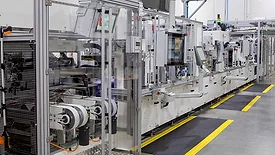
AeroFlexx, a pioneer in sustainable liquid packaging, partnered with Factory Systems to enhance data visibility on its high-speed converter line. Renowned for disrupting traditional rigid packaging with a flexible yet rigid bottle design, AeroFlexx relies on a highly engineered converter system to shape and seal its innovative packages. As they refined this process, a key issue emerged.
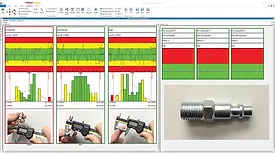
Measurement data software collects contextual information that offers real-time insights and actionable items, ensuring that key details about the workpieces are not overlooked in a busy manufacturing environment.
Before 2018, Trace Die Cast struggled with complex quality reports that were time-consuming to compile. That year, they adopted ZEISS PiWeb, enhancing data management and improving communication for quicker decision-making on the shop floor.
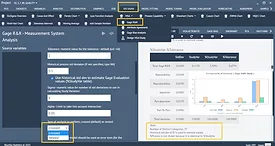
BlueSky Statistics, a powerful and intuitive statistical analysis software, is revolutionizing quality engineering and process improvement in the manufacturing industry to support all your process and quality improvement initiatives (well-known DMAIC methodology).
Collecting measurement and test data in manufacturing is vital for enhancing productivity and cutting costs. However, if key practices are not followed, resources can be wasted. To maximize the value of quality data, three essential actions must be taken.
The manufacturing industry is evolving due to Artificial Intelligence (AI) and robotics, significantly impacting job outlooks, as highlighted by the U.S. Bureau of Labor Statistics. This article will explore quality trends and provide guidance for future changes.
By leveraging billions of historical data points and real-time insights, manufacturers can empower new operators to meet stringent quality standards while maintaining throughput goals.
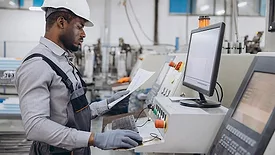
The manufacturing sector struggles with declining workforce experience as seasoned veterans retire and new operators lack the necessary skills. To address this, integrating predictive quality technologies and AI-driven recommendations can empower less experienced workers to achieve the quality and performance levels needed.



.webp?height=168&t=1731730848&width=275 "Two engineers in a factory.")

