Quality plays a role in everything from cost to manufacture to sales to the reputation of the company. We all can think of any product and think of a company with excellent quality and a company with poor quality. How do we prepare the future workforce for the field?
Since no programming skills are required for easy-to-use machine vision software, industrial image processing can provide a valuable contribution to digitization for small and medium-sized companies.
As technology gets easier to use, vision and AI application design is no longer restricted to expert-level developers. A quality manager or IT operations staff can design, train, and deploy their own customizable workflow.
We sat down with Carole Franklin, director of standards development at A3, to talk about the importance of safety standards for robot systems and the different requirements needed to ensure safe deployments.
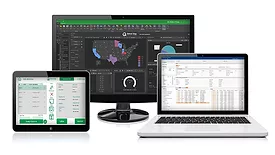
Today companies record process trends digitally. However, analysis is still conducted in much the same way, with operations staff manually identifying trends. Enter artificial intelligence (AI) and machine learning.
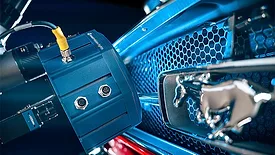
No matter the industry or application, all machine vision systems require light – whether visible or non-visible – to capture images. High quality output relies on high quality images, which require adequate lighting.
Industry leaders are now seeking ways to simplify processes, cut costs, and get more done with fewer people. Fortunately, the tools and technologies required to accomplish these goals are already here.