One constant in the ever-evolving machine vision space is the need for high-quality, consistent lighting. New challenges in the design and specification of machine vision systems require an innovative approach to lighting selection.
It’s said that our imagination is what separates us from other animals. The ability to take what we imagine and make it real—to create something from nothing—is genius.
As manufacturers worldwide seek to enhance their machines and equipment with online connectivity—an example of the Industrial Internet of Things (IIoT)—they are realizing this technology’s remarkable potential. I
In all types of industries, machine learning (ML) tools are finding the needle in the haystack of data, augmenting quality and safety professionals with a new kind of intelligence that can unlock hidden data patterns that are impossible for the human mind or eye to absorb.
There is a lot of attention given to the growth of automation, specifically to robotics and artificial intelligence (AI), and its potential impact on the economy and the work force, current and future.
While machine vision applications have been highly successful for decades using "analytical" vision tools, deep learning is able to successfully solve very complex classification and object detection problems with ease.
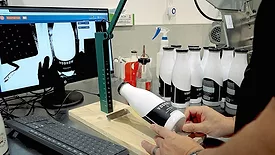
Product packaging - in an extremely broad range of markets from food to pharma - frequently incorporates an extremely important sealing technology called “tamper evident” seals.
The linchpin of automation—since before it was even referred to as such—is in its obvious benefits in increased efficiency and accuracy and its ultimate reduction in cost, time and waste.