 RSS
RSS

NDT


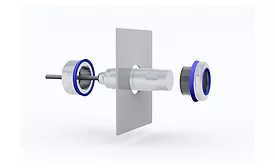
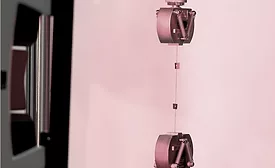
6 Popular Fatigue Test Applications
It’s used in applications ranging from dental implants to running shoes.
Read More
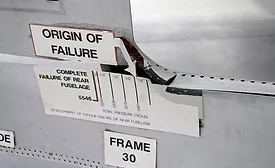
Stress-Life Fatigue Testing Basics
The many variables associated with material type, sample geometry and in service use of a part or component complicates the design and implementation of an appropriate fatigue testing regime.
Read More
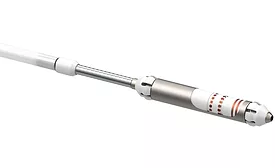
Faster, Better NDT: The Advantages of Eddy Current Arrays
Multi-coil arrays take eddy current technology many steps further.
Read More

The Advantages of Adaptive Ultrasonic Phased Array for Inspecting Composite Aircraft Components with Complex Geometry
Ultrasonic phased array technology is widely used to inspect composite components in aircraft.
Read More

Selection Considerations for your Optimum Leak Testing Method and Process
How to select the best method for your leak detection challenge.
Read More