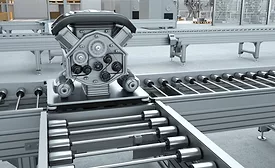
Conveyance has always been central to automotive production. Every vehicle component, from a small subassembly to a complete powertrain, depends on reliable movement through the factory.
I just finished spending three days with a man named Josh Springer, inventor of “Bottoms up” a draft beer dispensing system that fills the glass from the bottom.
The relentless pursuit of quality and reliability is at the core of all manufacturing operations. As control systems become more complex and interconnected, new challenges and opportunities emerge for quality professionals.
The purpose of this article is to show how a Quality practitioner can effectively enhance their Lean Six Sigma improvement efforts using available technology. Following the established framework of Define, Measure, Analyze, Improve, and Control, technology can enhance the coverage, predictability, and effectiveness of these in ways that exceed the limitations of manual work.
In this insightful conversation, industry leaders Cosimi and Jérôme share how their careers in sensor technology and medical devices led them to the world of quality and metrology.
During my management career at a Fortune 50 company, we were taught to treat quality and safety as top priority. They were considered essential and everything else was secondary.
Looking back, I see how deeply my ASQ journey has shaped my career. Each role I’ve taken on as a member leader, whether coordinating social media, planning webinars, or serving on the conference committee, has built skills I’ve carried directly into my work.
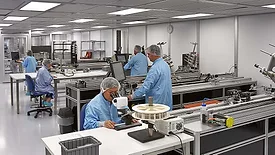
The stakes for quality in medical device manufacturing have never been higher. Products are becoming more complex, regulatory expectations continue to evolve, and the pressure to deliver faster, more efficiently, and with total traceability is growing every day.
 RSS
RSS






.webp?height=168&t=1762966990&width=275 "an industrial engineer working in a factory or similar environment")