How often have you attempted to implement continuous improvement in your organization, only to find that the improvements don’t last? How frequently have you struggled to get buy-in from team members?
Well-executed Advanced Product Quality Planning (APQP) is a cornerstone of most successful product launches across a wide spectrum of manufacturing companies today.
To stay profitable as a manufacturer, you have to run a tight ship. I’ve been lucky enough to visit with the owners and key people at thousands of our manufacturers all over the world.
Victor Taylor is the vice president of manufacturing at the award-winning Nissan Canton vehicle assembly plant with more than 20 years of engineering and manufacturing expertise.
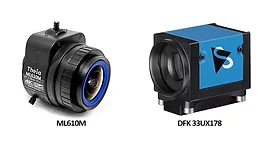
The objective was to achieve fast, accurate recognition of small characters at a close working distance of roughly nine inches, even in demanding industrial environments.
Central to the system’s success was Theia’s ML610M 2/3″ format varifocal lens, designed for a 1.55 µm pixel size to resolve detail up to 300 line pairs per millimeter contrast.
QP is the forward-looking mechanism for building a solid foundation established at the outset of product or service development cycles. This stance is necessary because development projects, despite beginning with clear objectives, typically encounter recurring difficulties as they progress.
CMMs have been in the industry since the ‘70s and historically had an untrusted stigma. Because of their time in the industry and their continued evolution, that’s changed.
“The biggest challenge with CMMs is that they are CMMs. They have been in the industry for a very long time and typically have a negative connotation about them.
In an era where cybersecurity is often seen as just a budget checkbox, it's crucial to recognize its potential to drive growth and enhance trust. Explore how leveraging a combined approach of Lean, Six Sigma, and Theory of Constraints can transform cybersecurity from a mere shield against threats into a powerful catalyst for business success.
Key factors such as gloss, haze, distinctness of image, and orange peel work together to determine the overall total appearance, along with hidden variables that also control your outcome.
A customer's first impression of a product depends largely on its appearance. Issues in formulation or processing can create defects that diminish perceived quality. Key factors like gloss, haze, and distinctness of image (DOI) impact overall appearance, while hidden variables also play a role. Understanding these elements is vital for ensuring consistent quality and customer satisfaction.
 RSS
RSS