Organizations are increasingly exploring how artificial intelligence can transform auditing from a periodic compliance exercise into a continuous assurance capability that provides real-time insights into quality and operational performance.
Documenting observations is the most important part, and the tone and wording of your observations can either make the internal audit received positively or negatively by the organization.
One of the most common misunderstandings is the belief that quality is something checked at the end. But in real operations, quality starts much earlier.
Organizations should begin discussions with their registrar now to better understand transition expectations, audit timing, and any additional documentation or review requirements that may be introduced during the transition process.
Quality control programs in injection molding are often focused on monitoring production – measuring dimensions, tracking variation, and verifying consistency across runs.
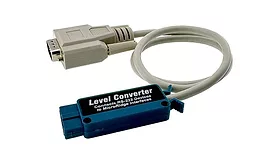
Gage multiplexers consolidate measurements from multiple instruments into a single output (USB serial, keyboard wedge, or RS-232), simplifying data capture in quality labs and production.