Test & Inspection
Tooling Quality Drives Injection Molding Performance
Successful tooling management depends on collaboration across several functions within a manufacturing organization.
.webp?t=1779909379&width=1080)
Quality control programs in injection molding are often focused on monitoring production – measuring dimensions, tracking variation, and verifying consistency across runs. Yet many of the factors that determine the quality of a part are established much earlier, starting with your tooling.
In medical device manufacturing, even minor tooling inconsistencies can introduce variation that affects both process stability and product performance. Small deviations in alignment, venting or component wear may go unnoticed initially, yet over time they can contribute to dimensional drift, surface defects or inconsistent molding conditions – issues that are particularly problematic for components subject to strict quality, tight tolerance and regulatory requirements.
Organizations that prioritize tooling quality and management recognize that molds are long-term production assets. With proper monitoring and maintenance, molds can operate reliably for tens of millions of cycles while maintaining consistent part quality, reducing total cost of ownership through extended tool life, fewer defects and minimized downtime. Achieving this level of performance requires disciplined tooling practices, proactive maintenance strategies and strong collaboration across manufacturing teams.
In practice, effective tooling management influences several areas of the manufacturing operation – from maintaining mold condition and addressing early signs of wear to improving communication across teams and supporting audit-ready documentation.
Proactive Mold Maintenance Programs
Preventative maintenance programs provide a structured way to identify early signs of tooling wear before they affect production. Rather than waiting for defects to appear in molded parts, manufacturers can implement scheduled inspections designed to monitor mold conditions and detect subtle changes over time.
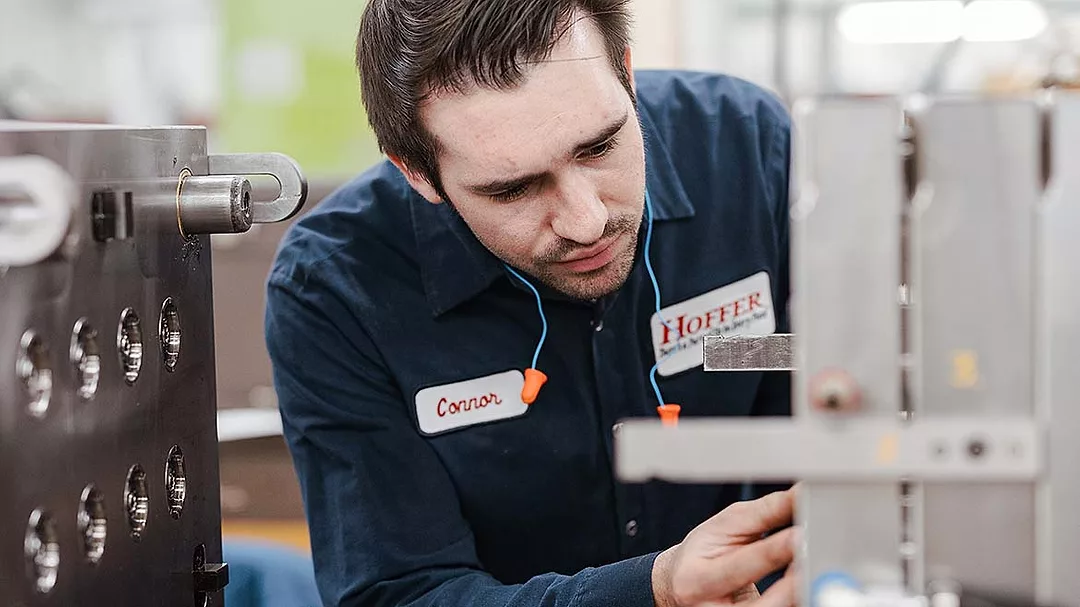
During routine maintenance intervals, technicians evaluate key mold components like pins, bushings, vents and alignment features. These inspections often reveal early indicators of misalignment, wear or mechanical fatigue that may not yet be visible in finished parts.
Identifying these conditions early allows manufacturers to proactively address potential issues before they disrupt production. Preventative mold maintenance programs not only reduce the likelihood of unexpected downtime but also extend the overall lifespan of molds to significantly exceed expected norms for cycle counts.
Tooling Condition and Process Stability
Maintaining tooling condition is one of the most direct ways strategic mold management influences molding performance. Injection molds operate under significant mechanical and thermal stress. Each cycle exposes tooling to high pressures, temperature fluctuations and repeated mechanical movement that gradually wears out critical components.
Over time, subtle shifts in alignment or component integrity can begin to affect part performance. Dimensional drift, surface imperfections and inconsistent flow patterns often signal tooling degradation.
In regulated industries such as medical manufacturing, where tolerances are tight and consistency is paramount, maintaining tooling health becomes a core part of sustaining stable and repeatable molding processes while also reducing scrap rates.
Addressing Small Issues Before They Become Major Failures
Effective tooling management also depends on how quickly emerging issues are addressed once they are detected. In high-volume injection molding environments, small tooling issues rarely remain small for long. Progressive wear on pins, slight component misalignment or early fatigue in moving elements can gradually escalate into larger problems if left unresolved as cycle counts increase.
Experienced toolmakers often rely on subtle indicators, such as changes in component fit, unusual wear patterns or slight shifts in mold movement, to determine when preventative adjustments or replacements are necessary.
Addressing these issues during routine maintenance can prevent more significant failures that might otherwise interrupt production or require extensive tooling repairs.
Cross-Functional Collaboration Drives Better Tooling Performance
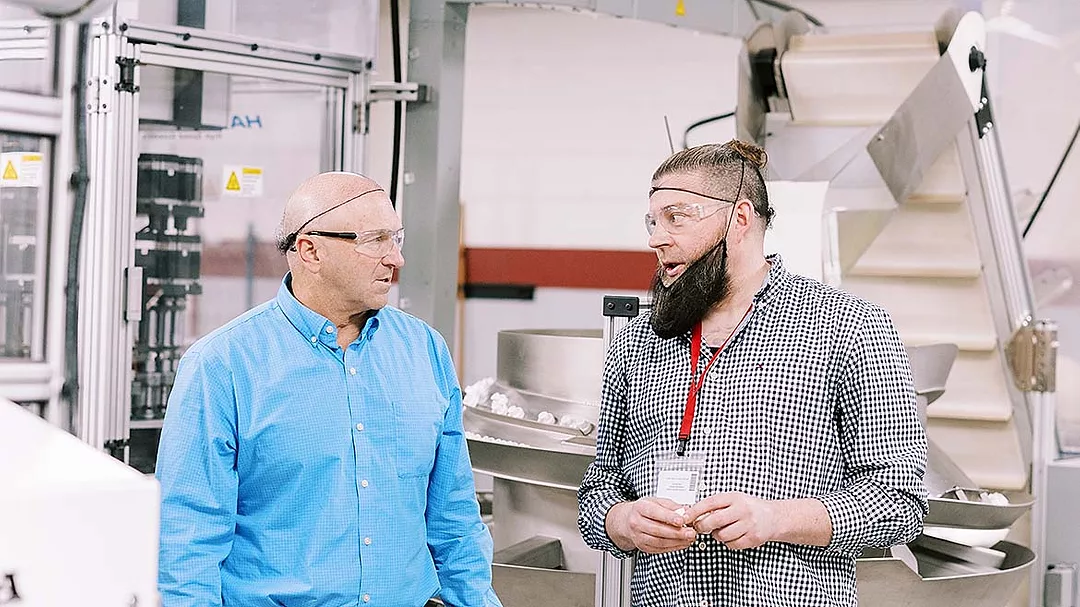
Successful tooling management depends on collaboration across several functions within a manufacturing organization. Toolroom specialists, production engineers and quality professionals each observe different aspects of the molding process.
Toolmakers understand the mechanical condition of molds and individual components, production teams monitor machine performance and process stability and quality engineers track dimensional data and product consistency.
When these teams share perspectives regularly, they can identify emerging trends or issues earlier. For example, a slight change in dimensional part data may prompt a closer inspection of mold alignment or component wear. This cross-functional approach allows organizations to address potential tooling concerns proactively while improving overall process stability.
Documentation and Traceability for Audit Readiness
For companies operating in regulated industries, tooling management must also be supported by thorough documentation. Detailed maintenance records provide visibility into the service history of each mold, including inspections, repairs, component replacements and modifications.
These records help ensure that molds are maintained according to established procedures and provide traceability throughout the production lifecycle. During customer or regulatory reviews, clear records demonstrate that tooling maintenance is controlled and consistently executed.
Beyond compliance, this historical data provides long-term operational value by preserving knowledge about each mold’s performance and maintenance history over time. Over time, this documentation enables teams to identify performance trends and recurring issues, supporting predictive maintenance, faster diagnosis and more informed decision-making.
Strategic Tooling Management Enables Long-Term Manufacturing Quality
Injection molding success depends on more than process parameters and machine performance. The condition and management of molds play a central role in sustaining consistent part quality across millions of production cycles.
Through proactive maintenance, careful monitoring and strong collaboration between technical teams, manufacturers can extend tooling lifespans beyond industry norms while maintaining the precision and consistency required for demanding applications. By reducing variability, minimizing scrap and preventing unplanned downtime, a disciplined tooling strategy also lowers total cost of ownership and improves overall operational efficiency.
Capturing and leveraging tooling data over time provides critical visibility into mold performance, making it easier to surface patterns, anticipate issues and take corrective action before they impact production. As manufacturing expectations continue to increase, particularly in industries where reliability and traceability are essential, disciplined tooling management will remain a key factor in delivering predictable, high-quality molded components.
Looking for a reprint of this article?
From high-res PDFs to custom plaques, order your copy today!


