Management
The Future of Quality Auditing: Moving Beyond Periodic Compliance to Continuous Assurance
The most successful organizations will not view AI as a replacement for auditors.
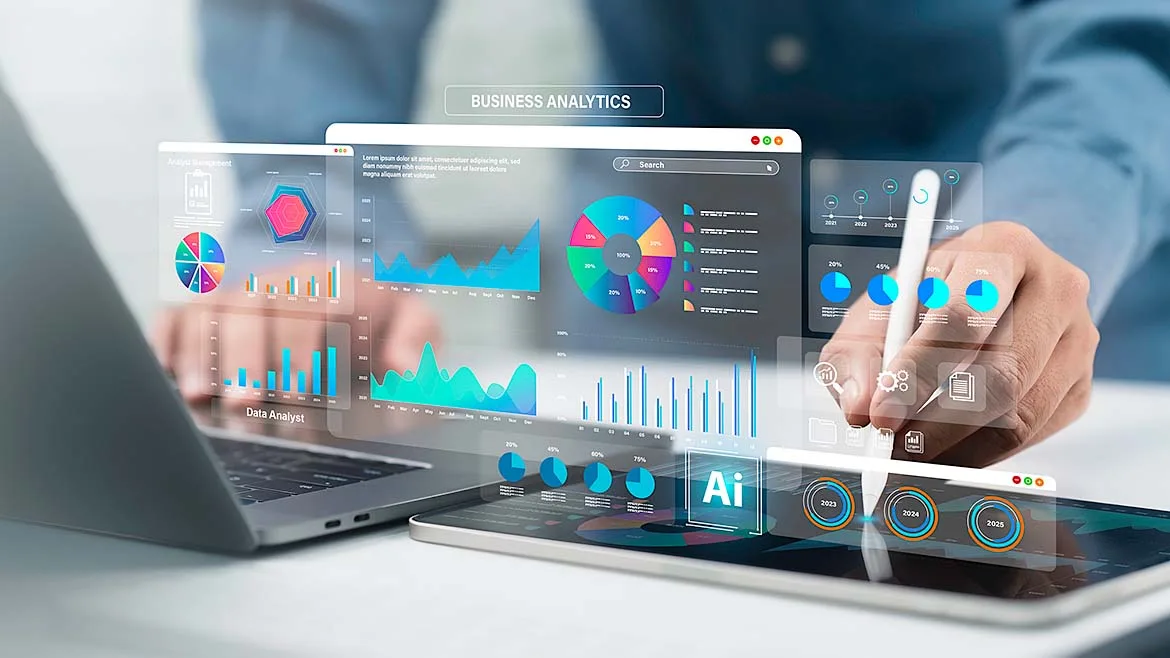
Quality audits have long served as one of the most important mechanisms for ensuring compliance, maintaining quality management systems (QMS), and driving continuous improvement. For decades, organizations have relied on scheduled internal audits, supplier assessments, and third-party certification audits to evaluate conformance against standards, procedures, and regulatory requirements. While these approaches have proven effective, they were largely designed for a world characterized by paper records, periodic reviews, and relatively stable manufacturing environments.
Today’s organizations operate in a vastly different landscape. Manufacturing and service operations have become increasingly digital, interconnected, and data-intensive. Information flows continuously across enterprise resource planning (ERP) systems, manufacturing execution systems (MES), product lifecycle management (PLM) platforms, supplier portals, quality management systems (QMS), and Internet of Things (IoT) devices. Products themselves are becoming more complex, often integrating hardware, software, artificial intelligence (AI), and connected technologies.
In this environment, traditional auditing methods face significant limitations. Organizations are increasingly exploring how artificial intelligence can transform auditing from a periodic compliance exercise into a continuous assurance capability that provides real-time insights into quality and operational performance.
Limitations of Traditional Auditing
Traditional audits are typically conducted at predefined intervals. Auditors review documentation, interview personnel, examine records, and evaluate a sample of transactions or activities to determine whether requirements are met. While this methodology remains a valuable discipline, it presents several challenges in modern operational environments.
First, audits often rely on sampling. Given time and resource constraints, auditors can only review a fraction of the available records. This means potential nonconformities may remain undetected between audit cycles.
Second, audits are generally retrospective in nature. Findings are often identified weeks or months after the underlying issue occurred. By the time corrective actions are implemented, the organization may have already experienced quality escapes, customer complaints, rework, or operational disruptions.
Third, the increasing volume of digital data has exceeded the practical capacity of manual review processes. Modern organizations generate millions of records related to production, maintenance, training, supplier performance, inspections, and corrective actions. Reviewing such data manually is neither efficient nor scalable.
Finally, traditional audits can sometimes be perceived as compliance-driven activities rather than strategic tools for risk management and organizational learning.
These challenges do not diminish the importance of audits; rather, they highlight the need for new approaches that leverage emerging technologies.
The Emergence of AI-Enabled Auditing
Artificial intelligence offers opportunities to augment traditional auditing practices through automation, advanced analytics, and continuous monitoring capabilities. Rather than replacing auditors, AI enables them to focus on higher-value activities such as risk assessment, judgment, root cause analysis, and improvement planning.
AI technologies can process large volumes of structured and unstructured data significantly faster than manual review methods. Machine learning algorithms can identify patterns, anomalies, trends, and correlations that might otherwise remain hidden within vast datasets.
For example, AI systems can analyze:
- Standard operating procedures (SOPs)
- Work instructions
- Training records
- Corrective and preventive actions (CAPAs)
- Supplier performance data
- Production records
- Inspection results
- Equipment maintenance logs
- Customer complaints
This capability expands the scope of audit coverage while reducing the administrative burden associated with data collection and review during audits.
From Sampling to Comprehensive Analysis
One of the most significant advantages of AI-enabled auditing is the ability to evaluate substantially larger datasets than traditional sampling approaches.
Conventional audits often examine a small subset of records to infer overall system performance. AI systems can analyze entire populations of available data, increasing the likelihood of detecting trends, anomalies, and emerging risks.
For instance, rather than reviewing a sample of training records, an AI-enabled system can continuously evaluate all employee training data, identify expired certifications, detect competency gaps, and highlight areas requiring management attention.
Similarly, supplier quality data can be monitored continuously to identify deteriorating performance before it results in production disruptions or customer-impacting defects.
The result is a more comprehensive, proactive, and predictive approach to assurance.
Enabling Risk-Based Auditing
Modern quality management standards increasingly emphasize risk-based thinking. AI can significantly enhance risk-based auditing by helping organizations prioritize resources toward the areas that matter most.
By analyzing historical quality events, process performance indicators, supplier metrics, audit findings, and operational trends, AI systems can generate dynamic risk profiles for processes, products, facilities, and suppliers.
Instead of relying solely on fixed audit schedules, organizations can adjust audit priorities based on real-time risk indicators. Processes demonstrating stable performance may require less frequent review, while areas exhibiting elevated risk can receive increased attention.
This approach improves both audit effectiveness and resource utilization.
Continuous Compliance Monitoring
Perhaps the most transformative application of AI in auditing is continuous compliance monitoring.
Traditional audits provide periodic snapshots of compliance status. Continuous monitoring creates an ongoing view of organizational performance.
AI-powered systems can automatically evaluate key compliance indicators and generate alerts when deviations occur. Examples include:
- Overdue CAPAs
- Expired training certifications
- Process parameter excursions
- Documentation inconsistencies
- Supplier performance deterioration
- Calibration noncompliance
- Audit finding recurrence
Rather than discovering issues during the audit or during the next scheduled audit, organizations can identify and address them in near real time.
This shift fundamentally changes the role of auditing from detection to prevention.
The Evolving Role of Auditors
As AI adoption increases, the role of auditors will continue to evolve.
Historically, auditors devoted considerable time to collecting evidence, reviewing documentation, and verifying records. AI can automate many of these repetitive tasks, enabling auditors to focus on activities that require human expertise.
Future auditors will increasingly serve as:
- Risk evaluators
- Critical thinkers
- Investigators
- Improvement facilitators
- Strategic advisors
Human judgment remains essential when evaluating context, assessing organizational culture, interpreting complex situations, and determining the significance of findings.
AI can provide insights and recommendations, but accountability for audit conclusions and organizational decisions must remain with qualified professionals like auditors.
Challenges and Considerations
Despite its potential, AI-enabled auditing is not without challenges.
Data quality remains a critical concern. AI systems are only as reliable as the information they analyze. Inaccurate, incomplete, or inconsistent data can produce misleading conclusions.
Organizations must also address issues related to cybersecurity, privacy, governance, and regulatory compliance. Sensitive quality and operational data require appropriate safeguards and oversight.
Another important consideration is explainability. Quality professionals and regulators must be able to understand how AI systems arrive at conclusions, particularly when those conclusions influence critical business decisions.
Finally, organizations should avoid overreliance on automation. AI should support—not replace—professional judgment and independent thinking.
Successful implementation requires a balanced approach that combines technological capability with strong governance and human oversight.
Looking Ahead
The future of quality auditing is unlikely to be defined by a choice between traditional methods and artificial intelligence. Instead, it will be shaped by the integration of both.
Traditional auditing principles—including objectivity, evidence-based assessment, professional skepticism, and continuous improvement—remain foundational. AI enhances these principles by expanding visibility, improving responsiveness, and enabling organizations to manage risk more effectively.
As products, processes, and supply chains continue to grow in complexity, auditing must evolve accordingly. Organizations that embrace AI-enabled auditing capabilities can move beyond periodic compliance verification toward continuous assurance models that support operational excellence, quality improvement, and organizational resilience.
In an increasingly connected and data-driven world, the question is no longer whether quality audits will change, but how quickly organizations can adapt to a future where compliance, risk management, and quality assurance operate in real time.
Conclusion
Artificial intelligence is reshaping the future of quality auditing by enabling broader data analysis, continuous monitoring, and more effective risk-based decision-making. While challenges related to governance, explainability, and data quality remain, AI presents a significant opportunity to enhance the effectiveness of quality management systems.
The most successful organizations will not view AI as a replacement for auditors, but as a powerful tool that augments human expertise. By combining the strengths of technology with professional judgment, quality leaders can transform auditing from a periodic compliance obligation into a strategic capability that drives continuous assurance and long-term business performance.
Looking for a reprint of this article?
From high-res PDFs to custom plaques, order your copy today!