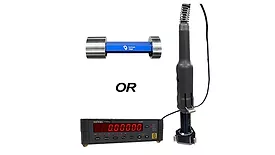
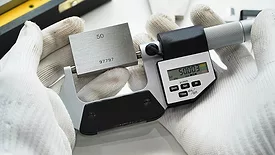
What should I be using to inspect an internal diameter (ID)? Should I use a Fixed Limit gage or some Variable gage? Is a Variable gage or a Fixed Limit gage more accurate? To answer these questions, we must begin with a few more clarifying questions.
Advanced Test Equipment Corporation (ATEC) rents electronic test and measurement equipment for R&D, compliance, production, and field service. It offers a large inventory of calibrated equipment from leading manufacturers in various testing fields.
MSI Viking specializes in metrology solutions, focusing on precision measurement, quality control, and industrial efficiency. With over 50 years of experience, we provide advanced products, expert calibration, and reliable repair services to help industries achieve top accuracy and performance.
Companies often confuse verification with calibration and seek cheaper services, sometimes from local providers unaware of manufacturer specifications. They may also overlook whether those providers' ISO-17025 accreditation covers their equipment, risking invalid calibration.
Whether performed onsite or outsourced to an ISO 17025 accredited lab, the tests described here are great ways to screen corrosion inhibiting materials during the selection process.
Corrosion prevention is vital for quality assurance in metal goods manufacturing. It helps avoid production delays and customer complaints from rust. Key strategies include four types of corrosion testing: VIA, humidity and salt fog, and iron chip testing. These tests aid in selecting effective protection methods and the right rust preventative dosage.
As an accreditation assessor, I can say that many common assessment deficiencies could have been prevented if the calibration certificate had been thoroughly reviewed.
This article is an adaptation of my popular presentation, “Beyond the Sticker & the Cert (Ensuring Better Measurements & Reducing Risk).” Product manufacturers, testing labs, and calibration labs often overlook the importance of thoroughly reviewing calibration certificates, leading to potential measurement inaccuracies and increased risks.
The official document is titled ISO/IEC 17025: 2017, General requirements for the competence of testing and calibration laboratories. It is the international reference for laboratories performing calibration and testing activities.
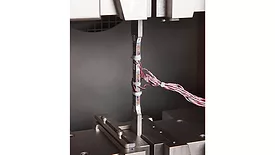
Whether you are an OEM testing an airframe or a third tier supplier testing high strength alloys, it is crucial to use a reliable tensile testing system that can produce repeatable results.