Additive
How can LFAM Advance Industrial Production? Standards, Sustainability, and Safeguards for Large Scale Industrial 3D Printing
Large Format Additive Manufacturing represents a transformative shift in industrial production.
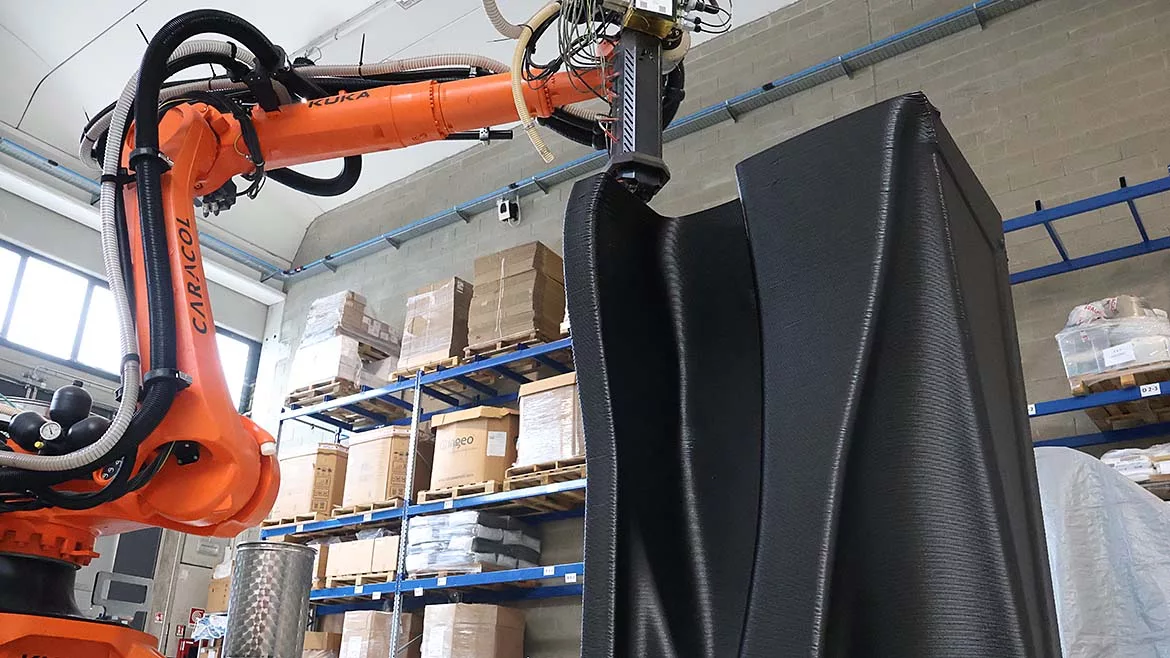
Image Source: Caracol
Large Format Additive Manufacturing (LFAM) is revolutionizing how industries like aerospace, automotive, and construction design and produce complex parts. By building components layer by layer, LFAM reduces waste, shortens production cycles, and offers unmatched design flexibility. But, as this technology scales into high-stakes sectors, quality assurance becomes not just important, but essential. In this article, I’ll explore the essential criteria and strategic considerations companies should evaluate to ensure that LFAM technology implementation delivers on both performance and accountability.
Large Format Additive Manufacturing represents a transformative shift in industrial production. Unlike traditional subtractive methods that rely on tooling and material removal, 3D printing builds parts layer by layer using advanced materials such as polymers, composites, and metal alloys. This approach minimizes waste, accelerates lead times and production cycles, and enables unprecedented flexibility and design freedom - particularly beneficial for complex geometries and low-volume runs in sectors like aerospace, automotive, marine, and construction.
As LFAM adoption grows across increasingly advanced applications, so too does the scrutiny over its quality and performance. For LFAM to be perceived on par with conventional manufacturing in regulated industries, quality must evolve from a checkpoint to a system-wide strategy. Reliability, repeatability, and compliance become not just operational targets, but the foundation for trust in every printed part.
Best practices to embed Quality in LFAM processes
Achieving consistent quality in LFAM begins with establishing a comprehensive Quality Management System (QMS) that integrates R&D, production, procurement, and customer support. In advanced additive manufacturing platforms, quality control is no longer confined to just finished product control; it builds the whole organization’s activities structure by involving responsibility and process commitment by all operational and support departments.
A robust QMS enables every part of the production ecosystem to be traceable and auditable. For example, platforms may embed parameters directly into print files to ensure correct material selection, machine configuration, and operator validation. This continuous loop – often modeled on the Plan-Do-Check-Act (PDCA) methodology – encourages proactive quality assurance rather than reactive error correction.
In practice, quality assurance in LFAM begins at the inception of a 3D printing system. We integrate quality protocols directly into every single process and tool in usage by the organization and externally by building close supportive relationships with our partners and suppliers. These protocols aren’t limited to setup; they extend to every part produced on-site, ensuring compliance with customers’ technical specifications, tolerances, performance benchmarks, International Quality and Environmental standards compliance, and the company Leadership goals.
The aerospace sector’s requirements exemplify the quality demands that should be placed on LFAM. These components face stringent requirements for traceability, delivery time, and dimensional conformity. From validating raw material composition to logging every machine movement, each phase must meet clearly defined technical and regulatory benchmarks.
To support this, companies should pursue certifications like ISO 9001 and AS/EN 9100. These standards validate a company’s ability to manage quality consistently, document processes thoroughly, and maintain full traceability across operations – from raw material input to final part testing. Such frameworks foster a culture of continuous improvement and set expectations for compliance, especially in sectors with high liability.
While aerospace leads in regulatory rigor, similar approaches are increasingly applied in automotive, railways, marine, and energy sectors, where the cost of failure is high and part performance is critical.
Sustainability as a Quality driver
Sustainability has emerged as a parallel force shaping quality strategies in LFAM, as both dimensions contribute to a more responsible and resilient manufacturing model. Certifications such as ISO 14001 – focused on the maintenance of Environmental Management Systems (EMS) are no longer separate from quality credentials. Instead, they indicate a company’s ability to integrate environmental performance into the same structured management frameworks used by the organization itself and shaped by the quality team. In the advanced sectors, this certification serves as a clear differentiator for clients seeking partners with demonstrable environmental accountability embedded in their operational quality systems.
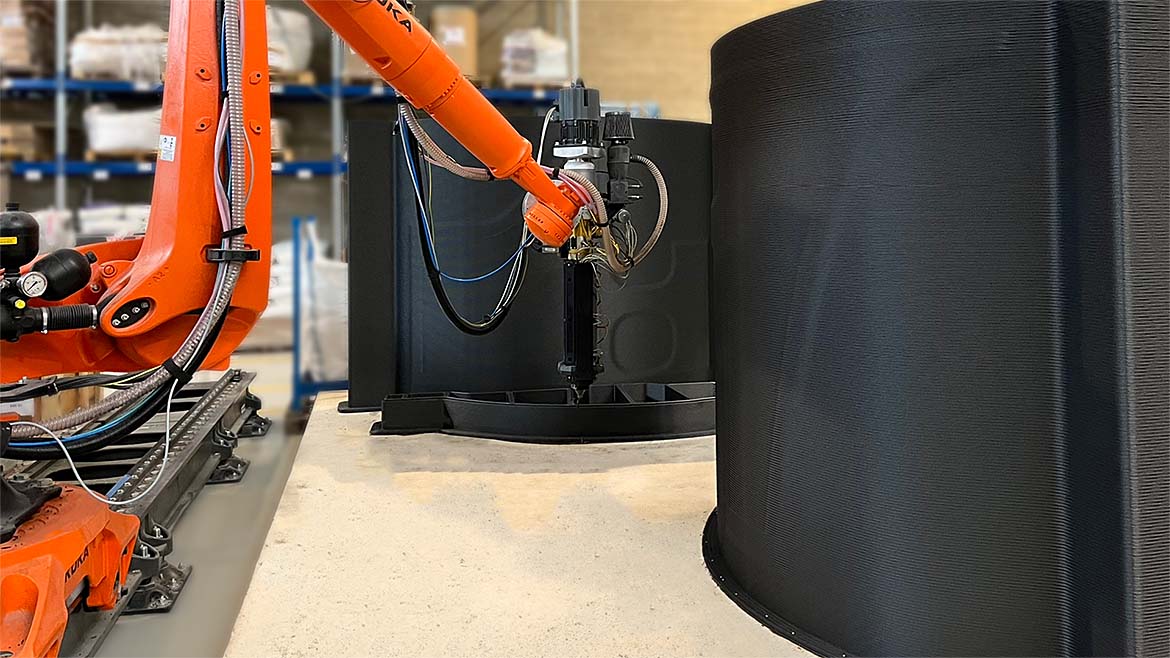
In LFAM, this integration is evident in how manufacturers select sustainable feedstocks, manage energy usage, and reduce waste. Caracol tracks environmental indicators as part of the broader production dataset. This includes metrics like the ratio of recycled-virgin material used, emissions per printed kilogram, and more – making sustainability a measurable and reportable part of the quality assurance framework, as well as planning improvement actions to reduce such consumption of resources and the environmental impact as consequence.
The intrinsically sustainable advantages of additive manufacturing further strengthen this connection, for example: reduced quantity of material needed for parts production, or overall waste produced, and digital files that enable on-demand and on-site production. As demand for sustainable solutions continues to grow across sectors and clients thoroughly evaluate suppliers, companies that demonstrate both technical excellence and environmental accountability gain a competitive edge.

Data and process protection: securing files to protect part integrity
Protecting data and internal processes is a critical, yet often overlooked, aspect of ensuring LFAM quality. Digital data represents the backbone of LFAM: STL and CAD files do more than define geometry; they carry embedded instructions on materials and print strategies. Any unauthorized changes or misuse can undermine part quality, disrupt traceability, and result in non-conformities. Protecting digital assets is thus a key component of quality assurance.
Manufacturers should adopt digital safeguards such as access controls, secure file sharing, and digital rights management (DRM). These measures ensure that parts are printed only on approved machines, with verified materials, and by trained operators.
Embedding file security within broader QMS structures reinforces compliance, particularly in high-stakes industries. It isn’t merely preventing intellectual property theft, it is about maintaining a validated, repeatable production chain.
Holistic Quality as a competitive strategy in LFAM’s Future
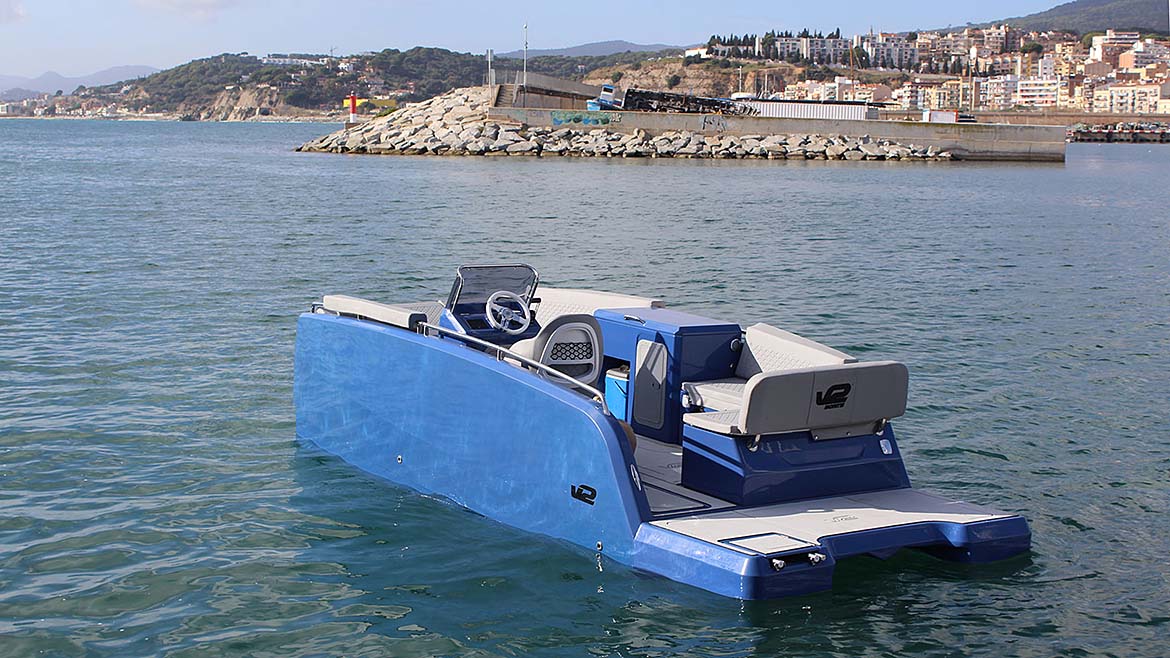
In LFAM, quality isn’t just a department - it’s a cultural mindset and operational discipline. From pipeline management to final parts inspection, it spans design co-engineering, machine calibration, supplier relationships, and sustainability planning. Organizations that embed quality into every layer of their operations will be best positioned to compete in markets that demand precision, accountability, and environmental stewardship.
When evaluating LFAM providers, stakeholders should look beyond surface claims and assess how quality is structured. A few questions they should ask:
- Are there integrated management systems in place?
- Are environmental and digital safeguards part of the QA process?
- Is there traceability from material sourcing to final inspection?
Technology companies that combine robust internal processes with recognized certifications will be best positioned to meet the evolving demands of high-performance, high-accountability sectors.
Ultimately, LFAM’s future hinges not only on continuous innovation but on assurance. Companies that build ecosystems around quality, and can demonstrate it consistently, won’t just deliver parts; they’ll deliver confidence.
Looking for a reprint of this article?
From high-res PDFs to custom plaques, order your copy today!