Medical
Medical Device Q&A
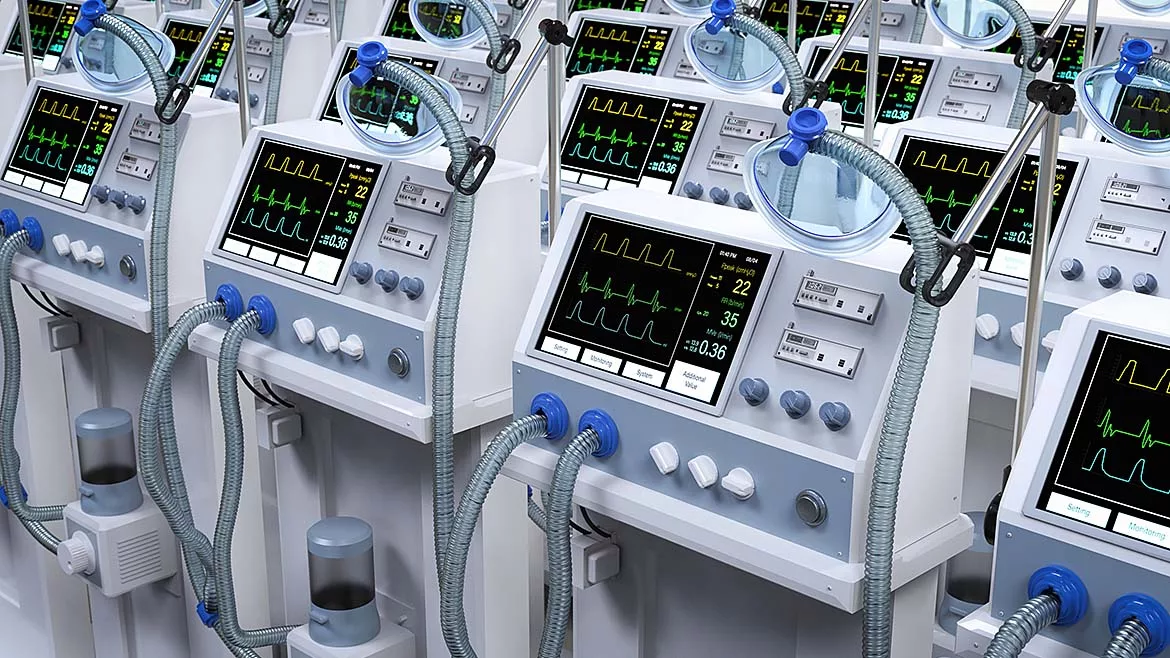
In the medical device sector, the focus will sharpen on cybersecurity, digital validation, and stronger post-market surveillance, as devices become more connected.
We’d like to introduce you to Sai Ranjith Ramakrishnan Kumar (Sai), a medical device quality engineering expert, Six Sigma Green Belt Certified, and programs chair of ASQ Granite State Section. He’s here to discuss his contributions to advancing quality practices in both industry and beyond, with a focus on enhancing patient safety, ensuring regulatory compliance, and driving innovation in the profession.
Can you share a bit about your background and how you became a quality engineering expert in the medical device industry?
My interest in quality began during my master’s program in Industrial Engineering at NYU Polytechnic School of Engineering. A course on Quality Control and Improvement sparked my curiosity, showing me how quality principles could be applied across diverse industries—including automotive, food and beverage, pharmaceuticals, and medical devices. That exposure revealed the breadth of quality as a discipline, not just about efficiency, but about building safety, reliability, and trust.
As my career progressed, I came to understand that the integrity of medical devices is not just about functionality—it is fundamentally tied to patient safety and public confidence. While working at a leading global medical device manufacturer, I advanced into roles centered on design control, risk management, and process optimization for Class II and Class III devices. I was entrusted with initiatives that resolved high-priority CAPAs, strengthened compliance operations, and aligned quality systems with FDA and ISO 13485 standards. These experiences established me as a trusted specialist committed to ensuring that safe, effective, and compliant medical technologies reach patients without compromise.
What do you consider your most significant contribution as a quality engineering professional, and how has it impacted the organizations or industries you’ve worked in?
One of my most significant contributions was leading a cross-functional initiative to remediate risk management files, ensuring compliance with updated standards such as ISO 14971. The project required close collaboration with R&D, Regulatory Affairs, Manufacturing, and Operations to identify gaps, reassess hazards and risks, and implement stronger risk controls across multiple product lines.
By closing these gaps, we not only reinforced compliance but also strengthened the integration between product design and patient safety. The effort demonstrated that risk management must be a living, dynamic process rather than a static compliance exercise. For me, this illustrates how everyday quality engineering decisions directly translate into safer, more reliable outcomes for patients.
Were there any things during the year that were particularly challenging in your career?
One of the most challenging yet rewarding experiences was supporting new product development for a Class II medical device. As part of the core development team, I was responsible for ensuring that design control, risk management, and verification activities were aligned with regulatory standards from the earliest concept stage.
This meant embedding quality principles into every milestone—from design inputs and risk assessments to usability evaluations and final design verification. Coordinating across R&D, clinical, and manufacturing teams required balancing innovation with strict compliance requirements. Part of the challenge was anticipating risks early in the cycle and structuring testing and documentation to minimize delays in regulatory submissions. Ultimately, this experience reinforced my ability to integrate quality seamlessly into product innovation, helping accelerate market readiness while safeguarding patient safety.
Regulatory requirements are critical in the medical device industry. How do you simplify complex regulations and translate them into practical quality processes that teams can consistently apply?
My focus is always on turning regulatory language into clear, actionable steps. Standards like ISO 13485 or ISO 14971 can seem overwhelming, so I create workflows, templates, and training that teams can confidently use in their daily work.
For example, when working with cross-functional teams, I developed simplified guides that aligned directly with industry standards. This not only improved compliance outcomes but also ensured that risk management became a practical, living process that supported patient safety. To me, expertise means making regulations meaningful—so compliance becomes a culture, not just a checklist.
What do you see in the next four to five years as a big development in Quality? Also, specifically in the medical device industry?
Across industries, I see digital transformation as the most significant development—using AI, analytics, and automation to move from reactive compliance toward predictive, data-driven quality.
In the medical device sector, the focus will sharpen on cybersecurity, digital validation, and stronger post-market surveillance, as devices become more connected. At the same time, AI-powered inspection and manufacturing tools will reduce variability and accelerate safe product launches. These shifts will require quality engineers to expand their role from compliance guardians to strategic leaders who bridge innovation with patient safety.
As we enter the AI era, how do you see the role of quality engineers evolving, and what should they be most aware of?
AI is shifting quality engineering toward predictive, data-driven decision-making, and in medical devices and pharmaceuticals, this carries especially high stakes for patient safety. Quality engineers must now look beyond traditional compliance to understand data integrity, algorithm transparency, and evolving regulatory expectations, as agencies tighten oversight of digital tools.
From my own experience, generative AI has shown great promise in inspection and manufacturing quality—improving defect detection, reducing variability, and streamlining documentation. In both medical devices and pharma, AI can also strengthen process monitoring and oversight, ensuring therapies are delivered consistently and safely. But these technologies only succeed when guided by quality professionals who act as both technologists and stewards of trust, ensuring AI strengthens—not compromises—public health protections.
How do you approach mentoring or guiding early-career quality engineers, and why do you see this as important for the profession?
The next generation of quality engineers must be both compliance experts and technology leaders. Core skills in risk management and regulatory knowledge will remain essential, but they’ll also need fluency in data analytics, AI, and digital quality systems.
Equally important are leadership and communication skills, since quality engineers often serve as the bridge between R&D, regulatory, manufacturing, and clinical teams. From my own experience, adopting emerging tools like generative AI can significantly strengthen inspection and manufacturing processes. But technology must be paired with ethical judgment and a patient-first mindset, ensuring that innovation always aligns with safety and trust. Guiding future engineers to balance these elements is, to me, one of the most important contributions we can make to the profession.
Looking for a reprint of this article?
From high-res PDFs to custom plaques, order your copy today!