
Articles Tagged with ''surface measurement''

Custom Surface Finish Gages for Hard to Reach Places
When standard devices can’t provide expected results, a better solution is to custom design a gage to suit the specific application.
Read More

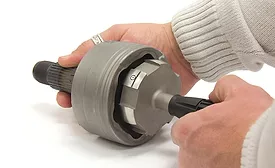
The 10 Commandments for Selecting and Using Air Gaging
When followed properly, these will provide a highly successful inspection system.
Read More

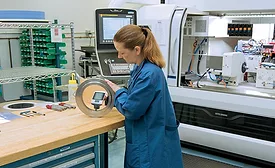
Putting Surface Inspection in the Hands of the Machine Tool Operator
Manufacturers need tools for operators that meet test requirements and are simple to use.
Read More
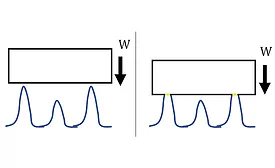
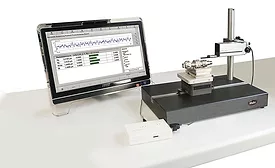
Looking at the Third Dimension in Surface Measurement
Sometimes the optical system is the best—or even the only—way to measure your surface.
Read More