As machine vision systems continue to evolve, they are increasingly tasked with supporting higher resolutions, faster frame rates, and multi-camera configurations.
By investing in intelligent systems today, manufacturers gain not only the agility to navigate tariffs but also the foundation for continuous improvement.
In large part, 2025 supply chains have been defined by tariffs. More than just an accounting problem, they have become an ongoing point of contention and stress for manufacturers struggling to protect margins and maintain product sustainability.
New orders of metalworking machinery, measured by the U.S. Manufacturing Technology Orders Report published by AMT – The Association For Manufacturing Technology, totaled $437.9 million in November 2025.
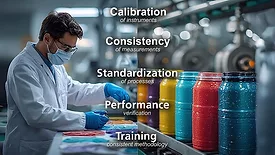
Whether they realize it or not, most organizations have some form of Quality Management System (QMS). When they don’t realize they have a QMS, it’s undoubtedly not providing potential benefits of effectively managing quality. However, even recognized QMSs often fall short of their potential.
Any conversation about automation and quality has to start with an acknowledgment that robots inherently improve quality. Robots produce more consistent work than humans.
Access and availability of Quality 4.0 based tools, techniques, and technology has increased over the past two decades. Organizations have benefitted from it in multiple ways across industries.
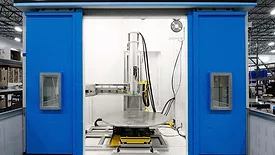
Additive manufacturing has matured from a prototyping tool to a production technology, but scaling into cost-effective, high-volume manufacturing poses challenges: from equipment, material, labor costs and process consistency, to regulatory and quality assurance.