The most popular standard of the 27,000 standards produced by the International Organization for Standardization (often referred to as “ISO”) is ISO 9001 the standard for quality management systems – and it’s going through changes right now.
You’re already a superstar in quality control, but are you also a bit of a wordsmith? Can you unleash a wicked pun, or do you just like a good laugh? Join our caption contest and show your wit and creativity (try your best not to be vulgar, though)
After Greg Weaver got out of the Navy, he started working in mining in northern Nevada. After a few winters, it was time to do something else. “It was like six degrees, and I’d be working outside.” He found a listing in the paper for an aerospace company that did turbine blade repair.
This space will focus on topics relevant to systemic improvement, professional development, and strategic leadership—areas where Fellows have accumulated deep experience.
Beginning with this issue, Quality welcomes the launch of the ASQ Fellows Forum—a monthly column written by members of the American Society for Quality’s Fellow community.
The traditional image of a quality department is rapidly becoming a relic of the past. Driven by the relentless march of digital transformation, escalating customer expectations, and a growing emphasis on holistic corporate responsibility, the quality department of the future will undergo a profound metamorphosis.
We’ve witnessed clients take full advantage of this tight integration of Quality Management Systems and other MES functions like order management, track and trace, OEE, and even document controls within the SCADA layer.
Where SPC and heavy business focused analytics tools may be best fit in the enterprise software layer, Quality Management Systems (QMS) now have a lasting home in the MES/SCADA Layer.
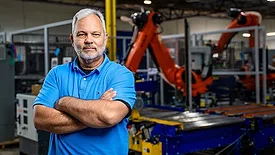
Palletizing is difficult, dangerous work that sometimes takes workers many feet up into the air to stack products off the production line or service and maintain palletizing equipment.
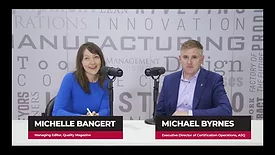
Michael Byrnes is the executive director of certification operations at ASQ and talks with Quality about certifications, and in particular, how certifications enhance people's careers, benefit the collective community, and really add value to society as a whole.
During a career in which I devoted a large portion to developing and implementing improvement programs, one thing became crystal clear. Improvement programs with a focus on sustained improvement were more valuable than speed of implementation.
 RSS
RSS