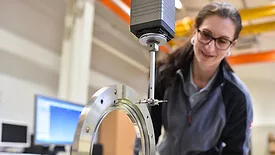
Quality focuses on quality technology, including measurement and gaging equipment. This has been the historic focus of the quality profession, but it is essential to recognize that quality is merely the price of admission to the marketplace. Rapid and reliable delivery, and especially low prices, are what win market share.
Quality assurance in aerospace has shifted from hands-on inspections to digital checklists, creating potential lapses in verification, as demonstrated by incidents like the Alaska Airlines door blowout. Despite tracking compliance, digital records do not guarantee that physical checks were performed.
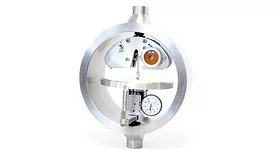
As we celebrate 100 years of the Morehouse Proving Ring, it's important to recognize the historical context of its creation and its impact on industry and safety. The late 19th and early 20th centuries saw rapid industrialization, leading to significant technological advancements and safety challenges.
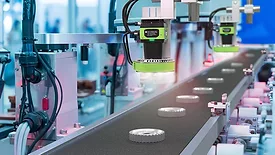
By 2025, automation technologies such as AI-driven inspection systems and autonomous robots are essential for manufacturers, enhancing productivity and quality assurance through precision and intelligent decision-making.
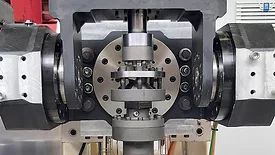
AHP Hydraulics, a Belgian solutions integrator known for delivering "smart solutions in hydraulics," faced a significant challenge from client SIDEM NV, which needed a more precise ball joint tester for its automotive suspension and steering units.
TRIZ reduces the risk of unpredictable outcomes common in brainstorming by identifying that 90-95% of engineers' root problems have already been solved, often in different industries using different technologies.
Certification as a supplier boosts reputation and efficiency in the aerospace market by ensuring quality and compliance. This leads to better communication, change management, and higher customer satisfaction.
The phrase "time is money," often attributed to Benjamin Franklin, originally appeared in his 1748 essay "Advice to a Young Tradesman" as "Remember that time is money." This concept highlights how critical business processes can create bottlenecks that negatively impact efficiency and capacity limits.
Over half (55%) of organizations plan to adopt Generative AI for security this year, especially in manufacturing. While AI enhances efficiency and cost savings, its rapid adoption poses new security risks and regulatory challenges. Manufacturers must proactively manage these risks to maintain operational stability.
Our learning theater speakers and workshop hosts, including Heather Wade, Eric Hayler, Rochelle Cook, Lisa Weis, and Donald Booth, share the things you should know as we rapidly approach the opening of The Quality Show 2025.
 RSS
RSS