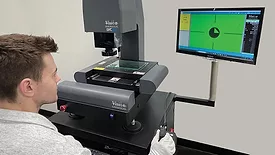
Companies often confuse verification with calibration and seek cheaper services, sometimes from local providers unaware of manufacturer specifications. They may also overlook whether those providers' ISO-17025 accreditation covers their equipment, risking invalid calibration.
Our 2025 Quality Professional of the Year has nineteen competences listed on his CV as well as 50 skills listed on LinkedIn. Here Ben Tomic shares his insights from a long career in quality.
Becoming the Industry Liaison for the ASQ Inspection Division was a rewarding opportunity that I learned about from a colleague. After some consideration, I decided to take on the role to enhance quality and productivity across various industries.
The manufacturing industry faces a significant workforce crisis, with 77% of manufacturers struggling to fill positions and a projected shortage of 2.1 million workers by 2030, potentially costing the economy $1 trillion. Job growth in mechanical engineering is expected to be 11% from 2023-2033, primarily in manufacturing.
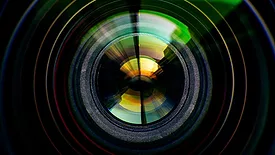
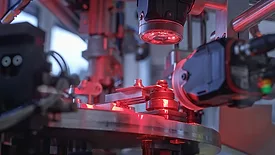
Optical metrology is crucial for precision in industrial quality control, especially in automotive and medical sectors. Unlike the human eye, cameras depend on pixel resolution for edge detection, making optics selection essential. Telecentric and endocentric lenses offer distinct benefits and limitations, helping professionals make informed decisions.
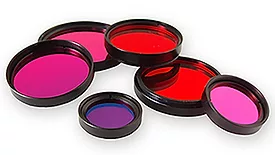
Proper illumination is vital for machine vision systems to capture high-quality images. Key factors include lighting geometry, intensity, wavelength, and optical filters. A strong grasp of these elements helps engineers overcome imaging challenges and build reliable inspection systems.
As a coffee enthusiast, I often rely on the energizing effects of caffeine to fuel my productivity, pushing through fatigue to get more done. Yet, I’ve learned that sacrificing sleep ultimately hinders my efficiency, and taking time to rest significantly boosts my performance.
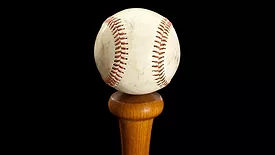
Years ago, I wrote a column discussing two baseball movies, Moneyball and Trouble With the Curve, which represented opposing views on the use of analytics in talent scouting within the sport.
Modern medical imaging systems can leverage the strengths of both spectra, leading to improved diagnostic capabilities and superior imaging across various medical use cases.
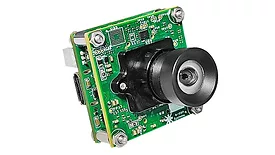
RGB-IR camera technology simultaneously captures standard color (RGB) and infrared (IR) light using a specialized filter. This integration enhances medical imaging by providing improved diagnostic capabilities through dual-spectrum capture.
At a sustainability conference, a small furniture manufacturer stood out by showcasing real results from applying lean principles, such as reduced scrap and energy savings. Unlike others, this manufacturer integrated sustainability into its core operations rather than treating it as a separate program.
 RSS
RSS