Vision & Sensors | Cameras
How RGB-IR Cameras Are Transforming Medical Imaging
Modern medical imaging systems can leverage the strengths of both spectra, leading to improved diagnostic capabilities and superior imaging across various medical use cases.

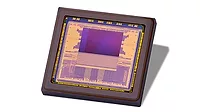
Image Source: e-con Systems
RGB-IR camera technology refers to imaging sensors that capture both standard color (RGB) and infrared (IR) light simultaneously. Unlike traditional cameras, which typically use an IR-cut filter to block infrared light for accurate color during daytime and require separate IR imaging devices or mechanical filter switching for night or IR imaging—RGB-IR cameras integrate dual-spectrum capture into one system.
This integration means the same camera can produce a normal color image and an IR image at the same time, using a specialized color filter array that includes dedicated IR-sensitive pixels alongside red, green, and blue ones.
Therefore, modern medical imaging systems can leverage the strengths of both spectra, leading to improved diagnostic capabilities and superior imaging across various medical use cases.
How RGB-IR Cameras Work
Traditional imaging systems require separate sensors or mechanical filters to alternate between capturing visible and infrared light, leading to increased system complexity and potential mechanical wear. RGB-IR cameras address these challenges by incorporating a Color Filter Array (CFA) that integrates dedicated pixels sensitive to both RGB and IR wavelengths.
It helps with the simultaneous acquisition of visible and infrared images without mechanical intervention, thereby enhancing system reliability and reducing operational complexity.
Advantages of RGB-IR Cameras in Medical Applications
Continuous monitoring
A single RGB-IR camera can function in bright visible light and darkness with IR illumination, ensuring continuous imaging capability around the clock. This is tremendously helpful for applications like patient monitoring or security, where lighting conditions vary. The sensor’s “day and night vision” capability means no downtime or image degradation when switching spectra.
Device longevity
Since the sensor can capture IR and visible light together, there is no need for a motorized IR-cut filter to toggle modes. It increases the device’s reliability and lifespan by removing moving parts and potential points of failure. Hence, vision systems become more compact and easier to maintain.
Improved color accuracy
With dedicated IR pixels measuring infrared intensity, the camera’s image signal processor can perform intelligent color correction by subtracting the IR component from the RGB channels. So, it yields true-to-life colors in the visible image (avoiding the washed-out or tinted effect IR contamination causes) while still retaining the IR information as a separate channel.
Reduced system complexity and cost
Rather than deploying two separate camera units (one RGB and one IR) and merging their feeds, a single dual-spectrum camera does the job. It simplifies design, saves space, lowers power consumption, and reduces overall cost for medical devices. Especially in devices like endoscopes or wearables, having one sensor instead of two is a huge advantage.
Popular Medical Use Cases of RGB-IR Cameras
Ophthalmology
High-resolution imaging is fundamental in ophthalmology for diagnosing retinal and ocular diseases. Traditional fundus cameras and retinal imaging systems use bright visible light to illuminate the eye, capturing color photographs of the retina. However, visible-light images alone can sometimes miss subtle deeper changes, and excessive bright light can be uncomfortable for patients.
Hence, the integration of near-infrared imaging has made an impact. RGB-IR cameras in ophthalmic devices help clinicians utilize both visible and IR views of the eye without swapping equipment.
Surgical procedures
In surgical environments, visualization is literally a matter of life and death. Surgeons rely on cameras (especially in endoscopic or minimally invasive surgery) to see anatomical details. Traditional surgical cameras use visible light, which shows the surface anatomy and normal color of tissues. However, many critical cues like blood flow, tissue oxygenation, or tumor boundaries—may not be apparent in standard color imaging.
Dual-spectrum RGB-IR imaging has emerged as a powerful enhancement for surgical visualization, often in tandem with techniques like fluorescence imaging. So, by combining normal color view with near-infrared imaging, surgeons can distinguish tissue types and functions that were previously hard to see.
For instance, infrared imaging (especially NIR fluorescence imaging using dyes like indocyanine green) is increasingly used intraoperatively to highlight blood vessels, lymph nodes, or cancerous tissue.
Remote Patient Monitoring
Remote patient monitoring (RPM) involves observing patients outside of traditional clinical settings (or without a caregiver in the room), often through cameras and sensors that track their condition. A classic example is a camera in an ICU room or a home health setup, enabling nurses or AI systems to keep watch on a patient’s well-being.
RGB-IR cameras have become highly valuable due to their ability to function reliably under varying lighting and to capture physiological data that pure RGB cameras might miss. One immediate advantage of RGB-IR in monitoring is 24-hour coverage.
A camera in a patient’s room can use ambient visible light during the day for a normal video feed, and then switch to IR illumination at night to continue monitoring in darkness – all using the same unit.
Technical Considerations for Selecting RGB-IR Cameras
Sensor selection: Choosing sensors equipped with CFAs that include both RGB and IR-sensitive pixels is imperative. Manufacturers such as OmniVision have developed sensors that support this dual-spectrum imaging capability.
Optical components: Standard lenses often incorporate IR-cut filters to block infrared wavelengths, which can impede IR imaging. Utilizing lenses with dual-band pass filters that transmit both visible and specific IR wavelengths (typically 800-950nm) is essential for effective RGB-IR imaging.
Image processing algorithms: Implementing advanced image signal processing algorithms is necessary to separate and process RGB and IR data streams. These algorithms should address potential IR contamination in RGB channels to maintain accurate color representation and extract meaningful information from the infrared data.
Challenges and Future Directions
While RGB-IR camera technology offers numerous benefits, some challenges persist, such as the potential reduction in color resolution due to the allocation of sensor pixels to IR detection. Ongoing research aims to optimize CFA patterns and develop advanced interpolation algorithms to mitigate these issues.
Also, advancements in sensor fabrication and filter technologies are expected to enhance the performance and adoption of RGB-IR cameras in medical imaging.
However, the integration of RGB-IR cameras in medical imaging systems represents a major technological leap. After all, the right imaging solutions can significantly improve diagnostic accuracy and patient care across various medical applications.
For instance, a recent camera uses a patented separation algorithm to process RGB and IR frames separately from the sensor. It can extract images in RGB and IR spectrums effortlessly without needing a mechanical switch or causing color corruption. This helps medical imaging devices perform exceptionally well, even when dealing with NIR regions.
Looking for a reprint of this article?
From high-res PDFs to custom plaques, order your copy today!