Manufacturers and training providers are overhauling how they prepare nondestructive testing inspectors. New imaging technology, AI, simulation software and changing standards are reshaping training programs, while leaders are expanding their outreach and even changing their organizations’ internal cultures to attract and retain a new generation of inspectors.
Manufacturers and training providers are revamping nondestructive testing training with new technologies and standards, while leaders adapt outreach and culture to attract a new generation of inspectors.
While the need for skilled workers continues to grow, many companies are learning that traditional approaches to hiring and training no longer resonate with early-career professionals.
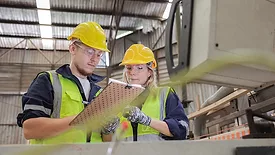
The demand for skilled workers is rising, but traditional hiring and training methods are not appealing to early-career professionals. For Gen Z, job satisfaction involves more than just pay; they value growth, purpose, and access to advanced technology. In response, manufacturers and industry organizations are changing their hiring and training practices.
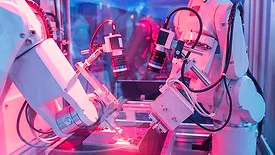
Machine vision is transforming with advances in AI, deep learning, and 3D imaging, boosting inspection and accessibility. Tasks once needing expert programming are now handled by AI-powered systems.
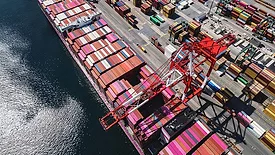
U.S. manufacturers are increasingly reshoring production in response to tariffs impacting global supply chains, viewing it as a long-term strategy to enhance quality and adapt to complexities.
Automated calibration systems are changing how manufacturers maintain measurement accuracy. These systems reduce reliance on manual processes and improve precision.
Factories are increasingly using laser measurement systems for improved quality control, replacing manual inspections with faster and more accurate tools. Industries like automotive, aerospace, and medical are seeing significant benefits, especially in precision and waste reduction.
As manufacturers increasingly use robots, 3-D printing, AI systems and other cutting-edge technologies, they create new risks that are not covered by existing rules. As a result, even the most foundational rulebooks are changing.
Engineers rely on industry standards for safety, which require extensive development time. However, the rapid pace of emerging technologies poses challenges for timely standardization, as reaching consensus on new standards becomes difficult in a fast-changing environment, according to Shawn Moylan from NIST.
Manufacturing companies must document greenhouse gas emissions, energy usage, and hazardous materials handling due to new sustainability regulations. The SEC Climate Disclosure Rules require public companies to report emissions, and private manufacturers may also face pressure to disclose similar information, according to Marcel Minutola of Peritia LLC.
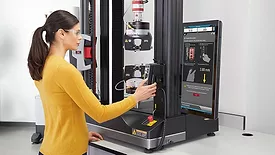
Discover how advancements in AI and automation are transforming universal testing machines, offering enhanced accuracy and safety while posing new challenges in workforce training and user experience.